The Living Hollow: Mycelium Shelter Beyond the Human

good-design-award_best-in-class_rgb_blk_logo
  • 2026

  • Built Environment
    Installation Design

Commissioned By:

World Wide Fund for Nature

Designed In:

Australia

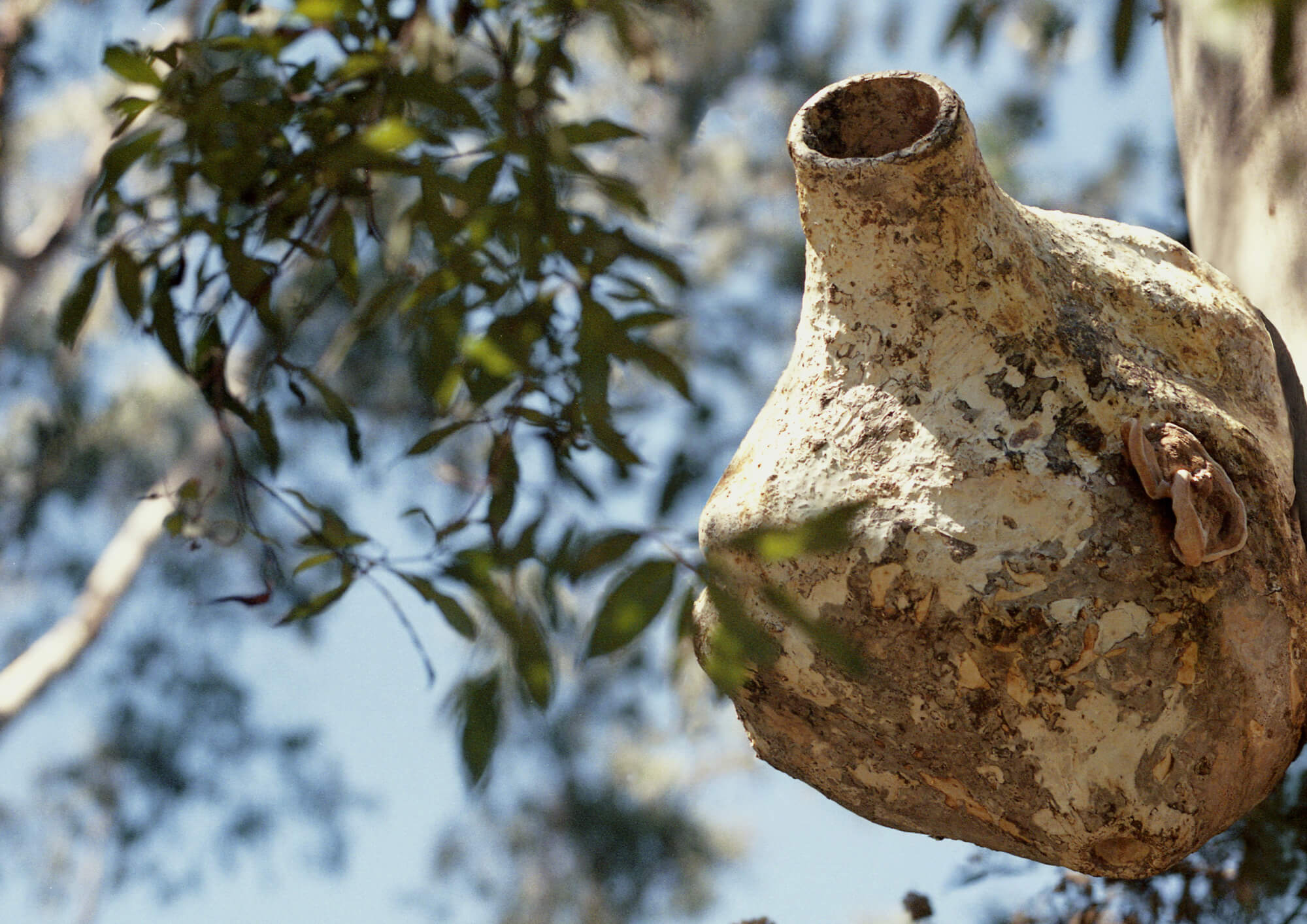
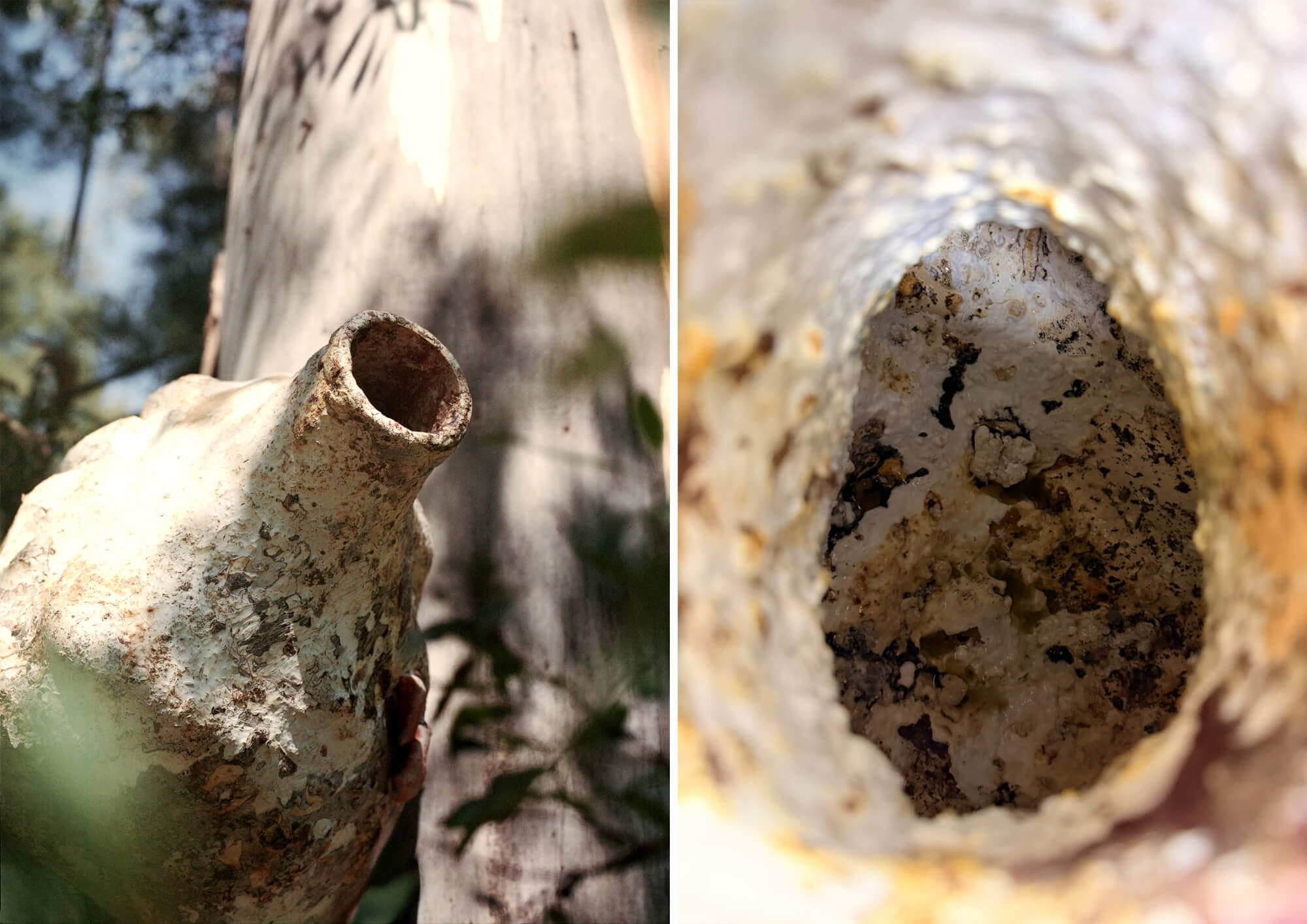
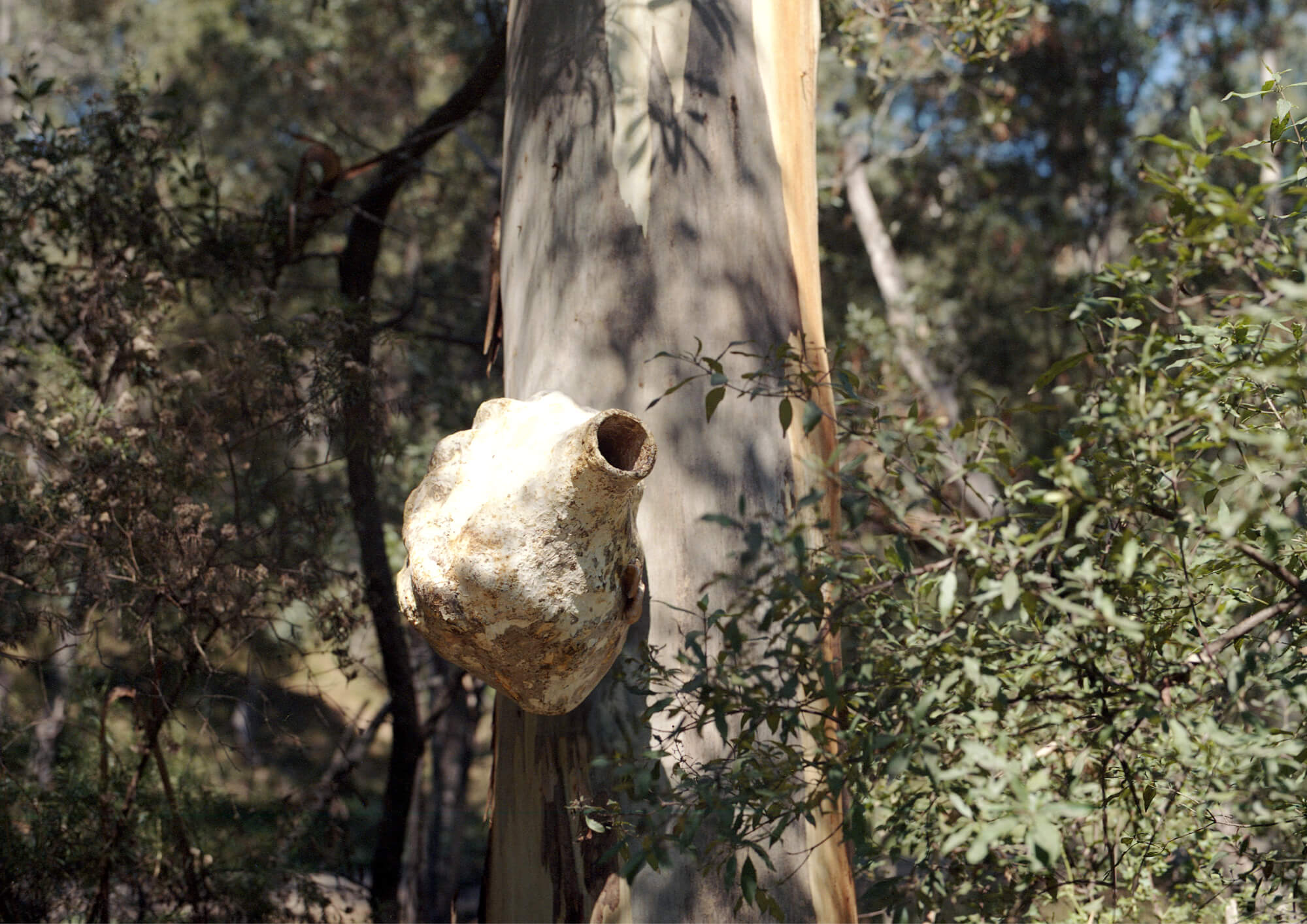
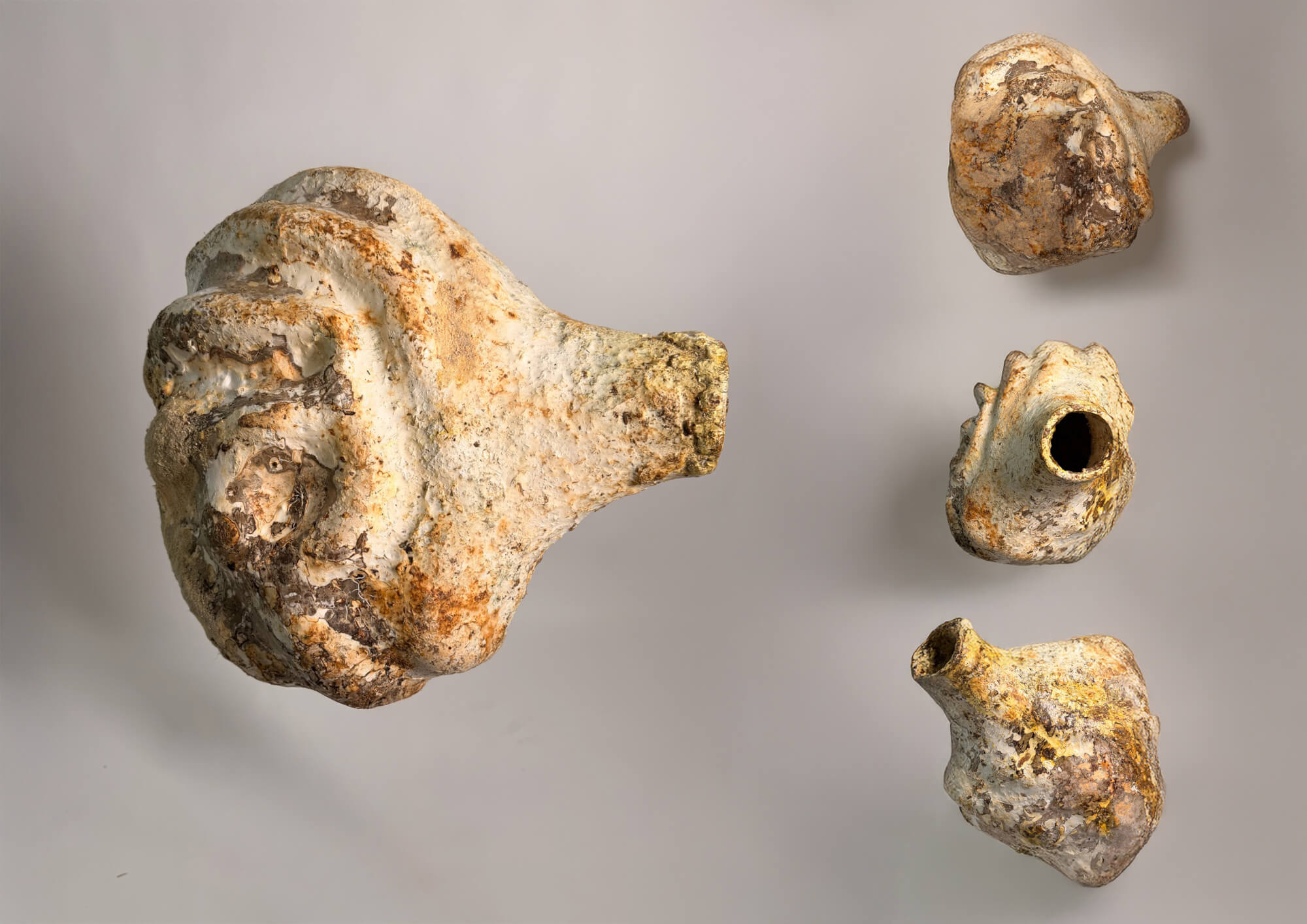
Architecture has always been about shelter. The Living Hollow asks: shelter for whom? This project is a mycelium-based artificial tree hollow grown over a 3D-printed wood scaffold. It extends architectural thinking, form, material, and thermal performance to the native gliders that share our landscape but are rarely considered its residents.
view website

2.jpg
Mengzhu Jiang
3.jpg
Mengzhu Jiang
4.jpg
Canhui Chen
5.jpg
Canhui Chen
6.jpg
Mengzhu Jiang
7.jpg
Mengzhu Jiang, Canhui Chen
8.jpg
Canhui Chen
  • CHALLENGE
  • SOLUTION
  • IMPACT
  • MORE
  • Australia's hollow-dependent gliders face an acute shelter crisis. Land clearing, bushfires, and logging have drastically reduced natural tree hollows, which can take over a century to form. Existing nest boxes address the shortage numerically but not architecturally, offering limited thermal regulation, organic complexity, or material familiarity that natural hollows provide. The challenge was to design a shelter using a carbon-friendly mycelium composite that genuinely performs for a non-human inhabitant, applying architectural principles of form, material, thermal performance, and building life cycle to a client rarely considered by the discipline before, with no conventional manufacturing solution available.

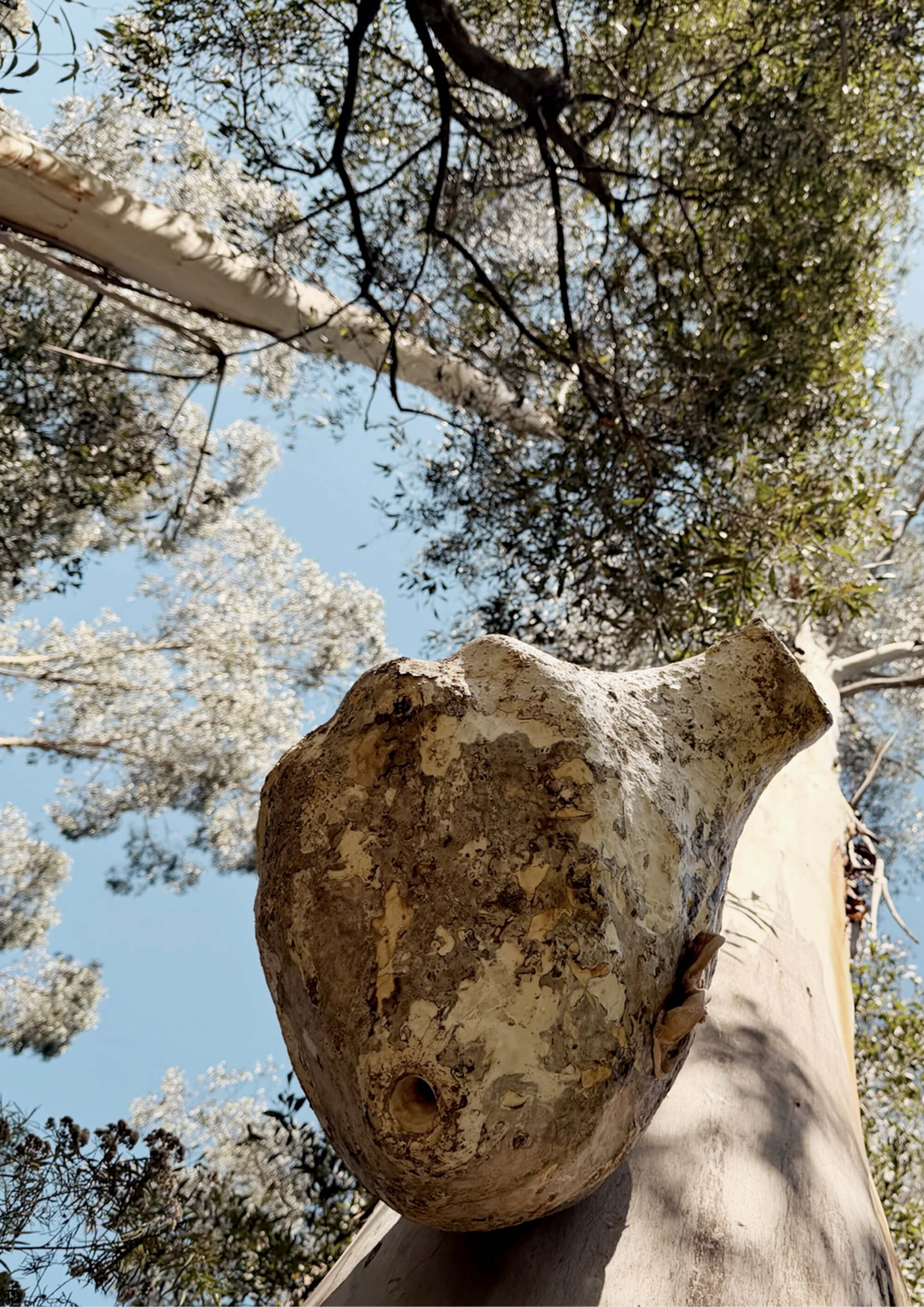
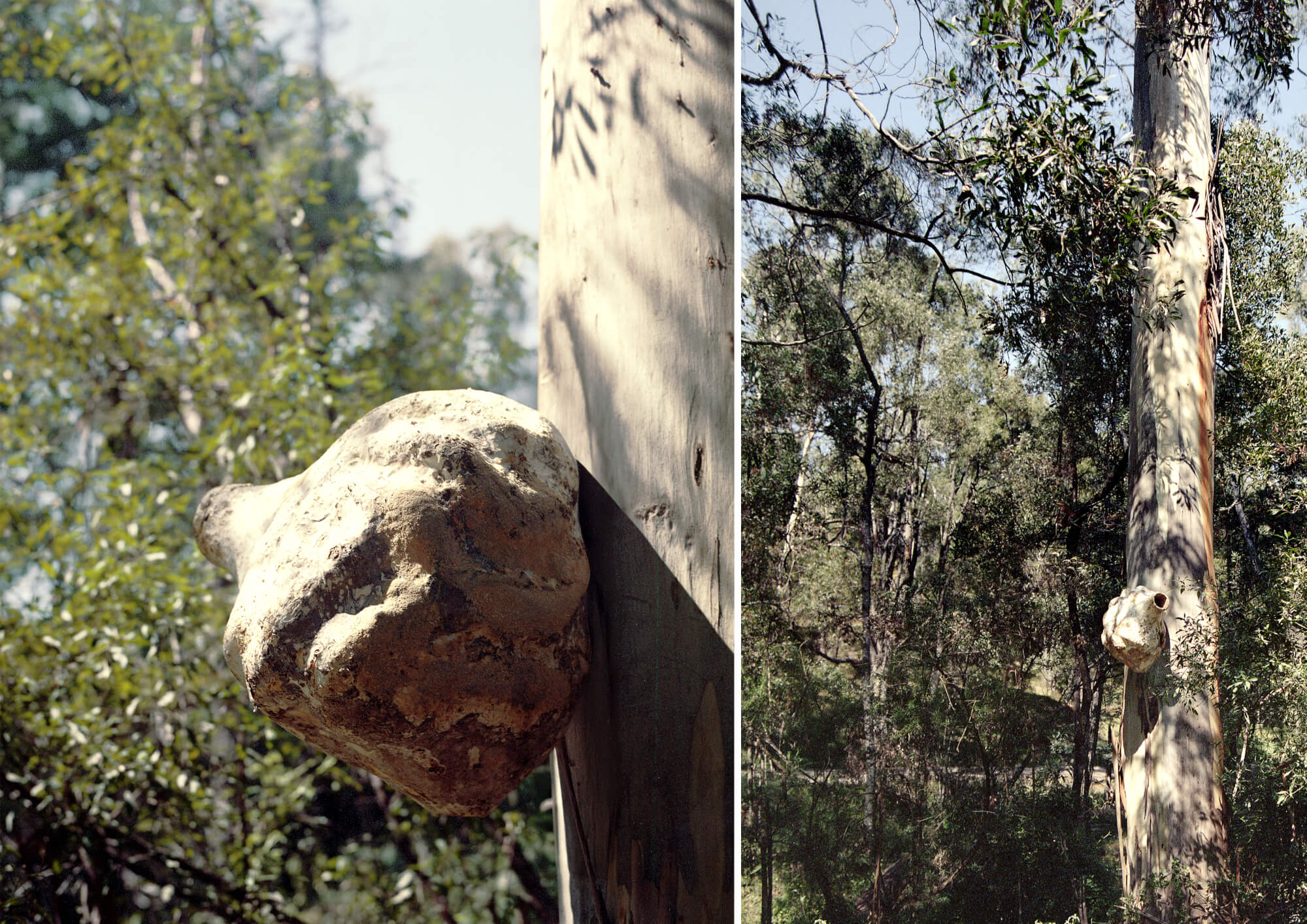
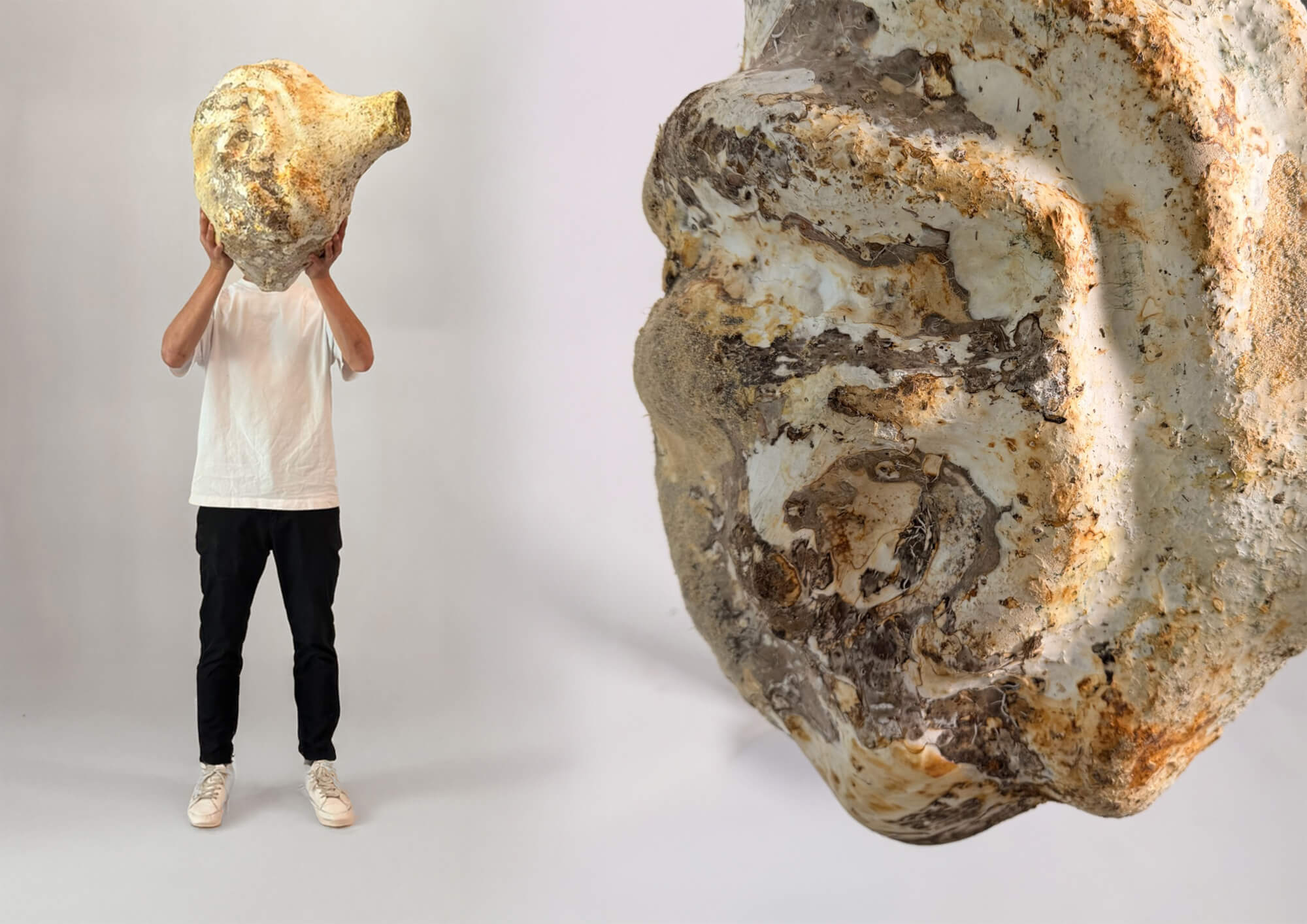
  • The design process began with the inhabitant. Glider biology, preferred dimensions, entry geometry, tunnel angle, surface grip, and site orientation on the host tree, informed every architectural decision. Computational design translated these ecological requirements into a complex organic form, fabricated as modular components. Mycelium is cultivated over a 3D-printed wood-composite scaffold, gradually encasing and sequestering it within a living composite skin. The result reads not as a designed object but as something that grew from the tree itself, visually and materially indistinguishable from a natural burl. At the end of life, the structure biodegrades, returning entirely to the forest floor.

  • The Living Hollow demonstrates that architectural thinking, applied beyond the human, can produce a materially resolved, ecologically considered shelter for non-human inhabitants. Its contribution lies in establishing that a mycelium-based hollow, complex in form and considered in material, can be designed, manufactured, and deployed in a real conservation setting. In partnership with WWF-Australia, it advances a model where architectural skills, computational design, material selection, and thermal thinking are directed toward a client rarely considered by the discipline. With the fabrication approach now proven, the next stage will monitor wildlife response and long-term material performance in the field.

  • The Living Hollow integrates architectural thinking, ecological research, and bio-fabrication across several standout features.Inhabitant-driven design: Every formal decision, entry geometry, internal dimensions, tunnel angle, surface texture, and site orientation, was derived directly from glider biology and behaviour, treating the non-human inhabitant as the primary design client.Computational form: Advanced digital modelling translated ecological requirements into a complex organic geometry, discretised into modular components that are geometrically interlocked and biologically fused as mycelium colonises across each join.Thermal performance: The mycelium composite provides natural insulation, buffering internal temperatures against the extremes that make conventional nest boxes inadequate shelters for heat-sensitive gliders.Material sequestration: The 3D-printed wood-composite scaffold is sequestered within the mycelium skin, disappearing into the composite and leaving no visible trace of the fabrication process.Visual integration: Deployed on a living eucalyptus at Birdsland Reserve, Victoria, the hollow reads as a natural burl, belonging to the tree rather than applied to it.Carbon-friendly lifecycle: The mycelium-wood composite is biodegradable, returning to the forest floor at end of life, reflecting the material lifecycle values of sustainable architectural practice.Conservation partnership: Developed in collaboration with WWF-Australia and ethics-approved for field deployment, the project bridges architectural design and active conservation practice.