Whale Fall

good-design-award_gold-winner_rgb_blk_logo
  • 2026

  • Built Environment
    Installation Design

Designed By:

Designed In:

Australia

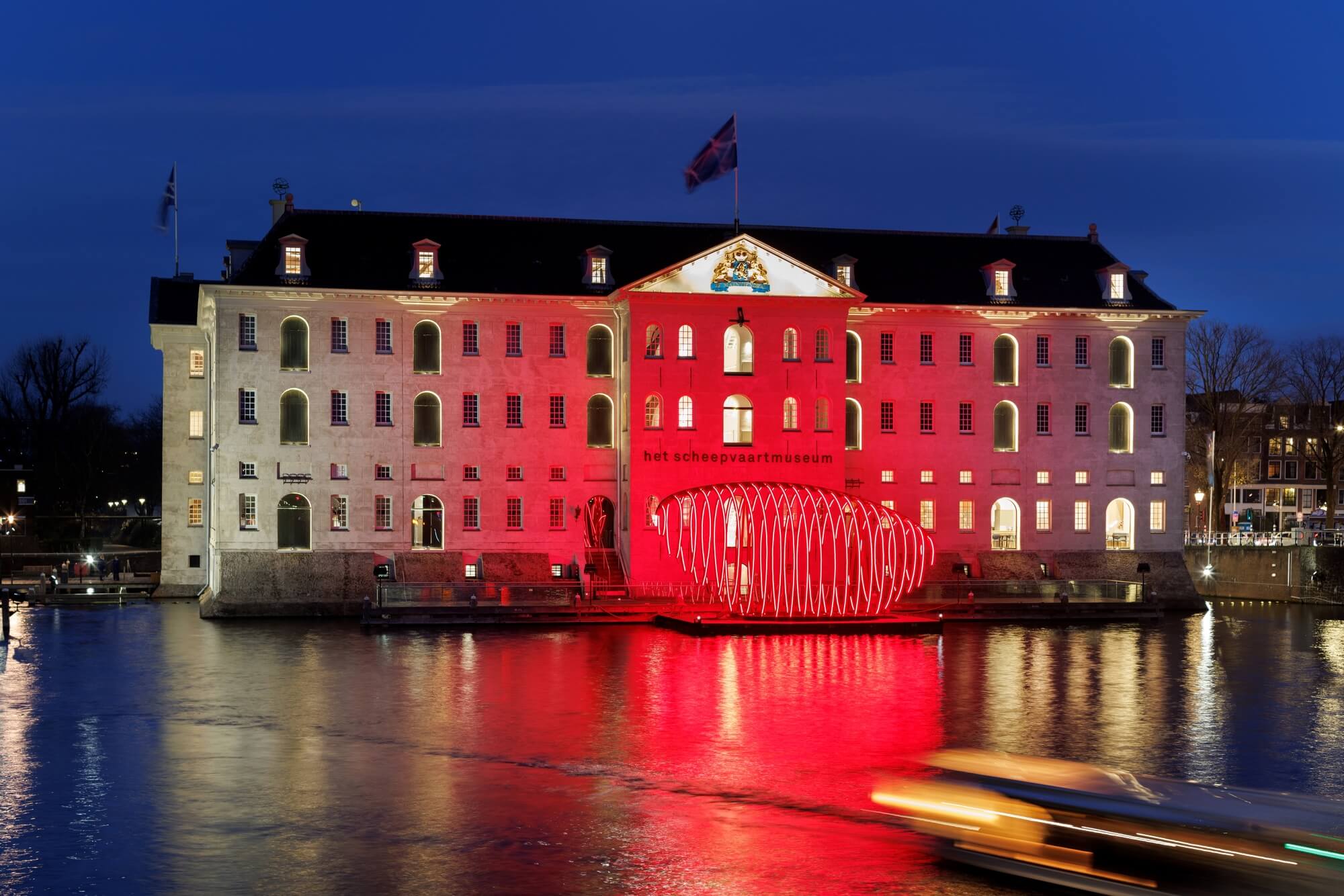
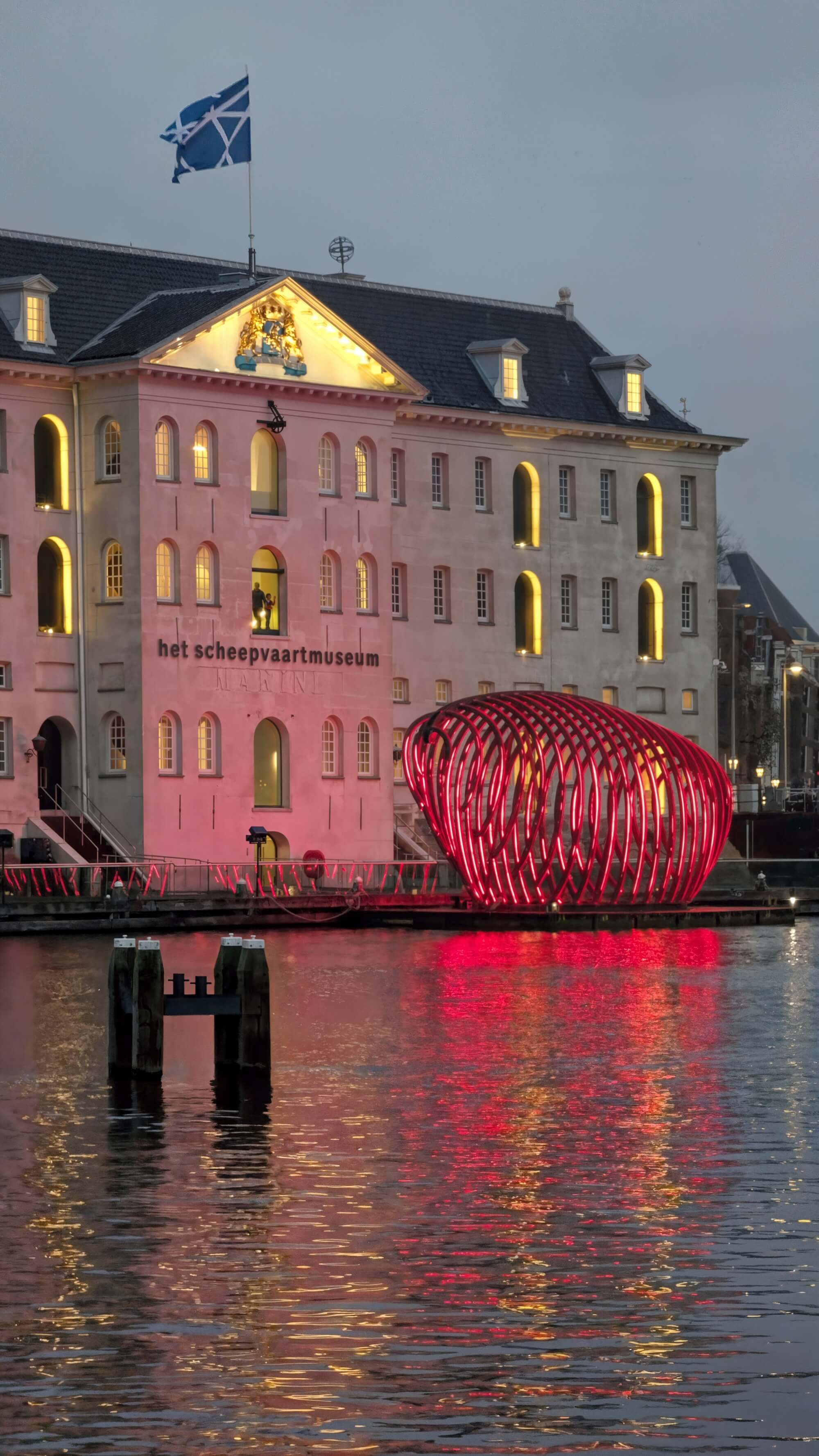
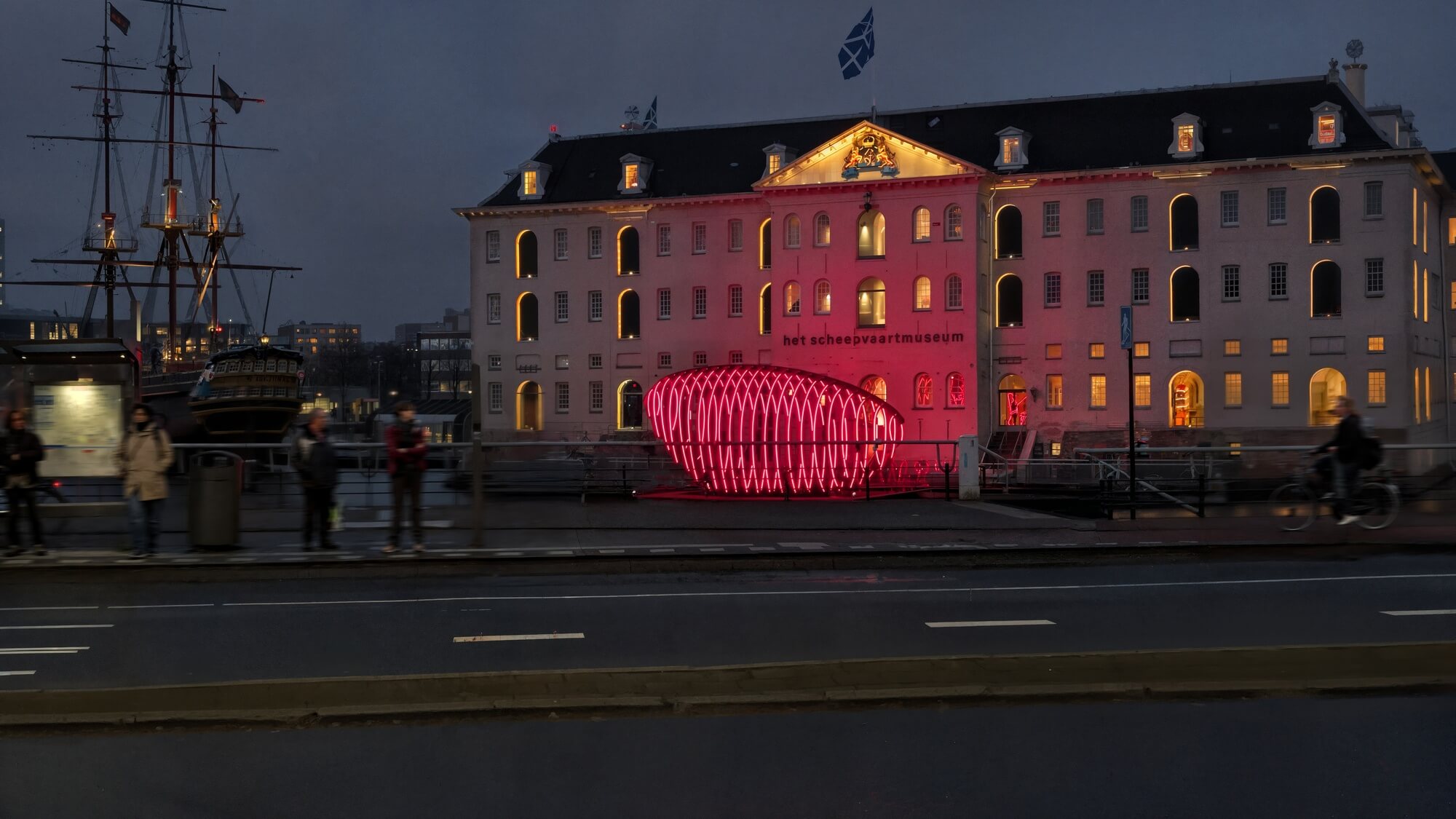
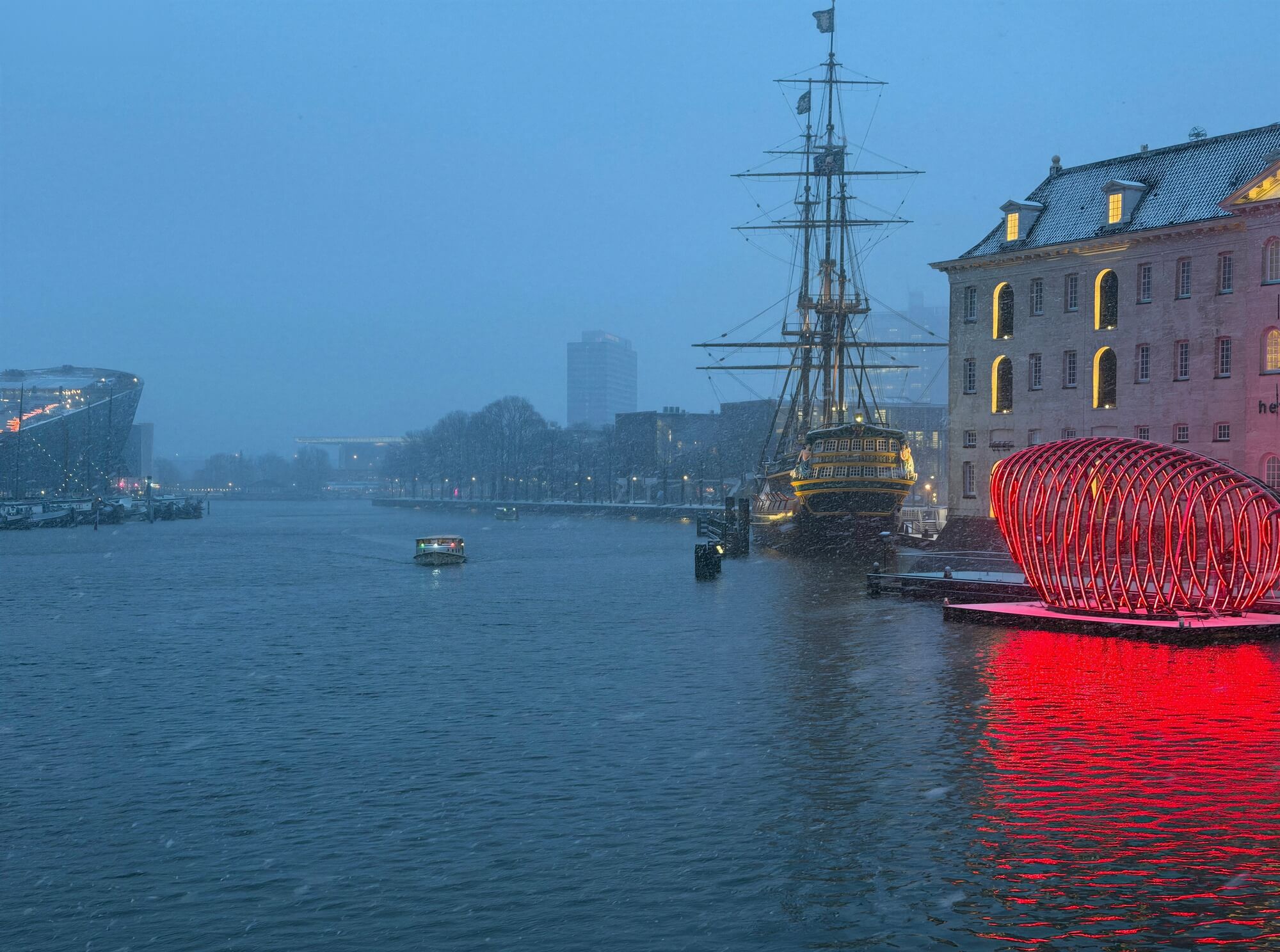
Designed by Xinyi Wang / XYTOPIA in Sydney and realised with Amsterdam Light Festival, Whale Fall, winner of 2-stage international design competition, is a temporary floating light installation that transforms the deep-sea ecology of a fallen whale into a quiet yet monumental public experience of steel, red light, memory and renewal.

view website

2.jpg
Xinyi Wang
3.jpg
Xinyi Wang
4.jpg
Janus van den Eijnden
5.jpg
Gosse Bouma
6.jpg
Xinyi Wang
7.jpg
Xinyi Wang - I'm encountering consistent technical issues where uploading of materials fails with no response. The image intended to be here can be found from the additional materials online folder, with the name of "Xinyi Wang_XYTOPIA-Whale Fall_06 copy"
8.jpg
Xinyi Wang
9.jpg
Gosse Bouma
  • CHALLENGE
  • SOLUTION
  • IMPACT
  • MORE
  • Amsterdam Light Festival Edition 14 asked artists to respond to Legacy. Our challenge was to turn the invisible ecology of a whale fall into a large temporary public installation that could float safely in Amsterdam and later be reused. As the artist and architect was based in Sydney, the project had to overcome distance, time zones and continent-wide coordination, aligning design development with the organiser, technical team and local fabricator through emails, online calls and precise documentation. Two rounds of structural evaluation were required to achieve a compliant, transportable and reusable system with accurate rib forms and integrated red lighting.

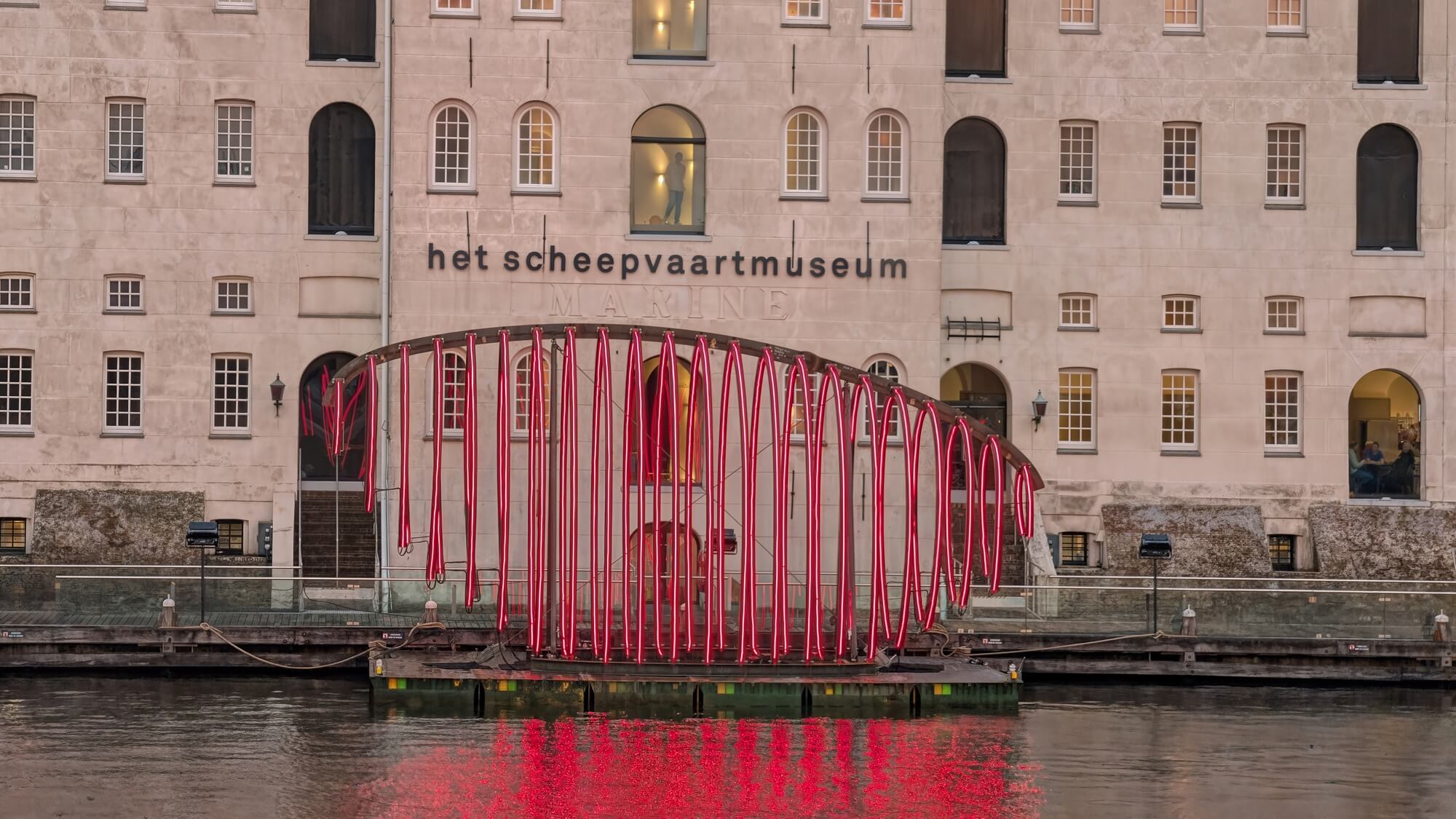
  • Xinyi Wang / XYTOPIA responded to the open call by using the whale fall phenomenon as the project’s conceptual and structural driver. The work was developed as a sequence of rib-like steel frames, refined through digital modelling, lighting studies and two rounds of structural evaluation. When the first engineering pathway proved difficult to translate directly to the Amsterdam context, the design was recalibrated with the festival’s technical team. From Sydney, the artist coordinated drawings, mark-ups and decisions across time zones, then attended the final production week in the Netherlands to align fabrication, assembly and lighting with the original design vision.

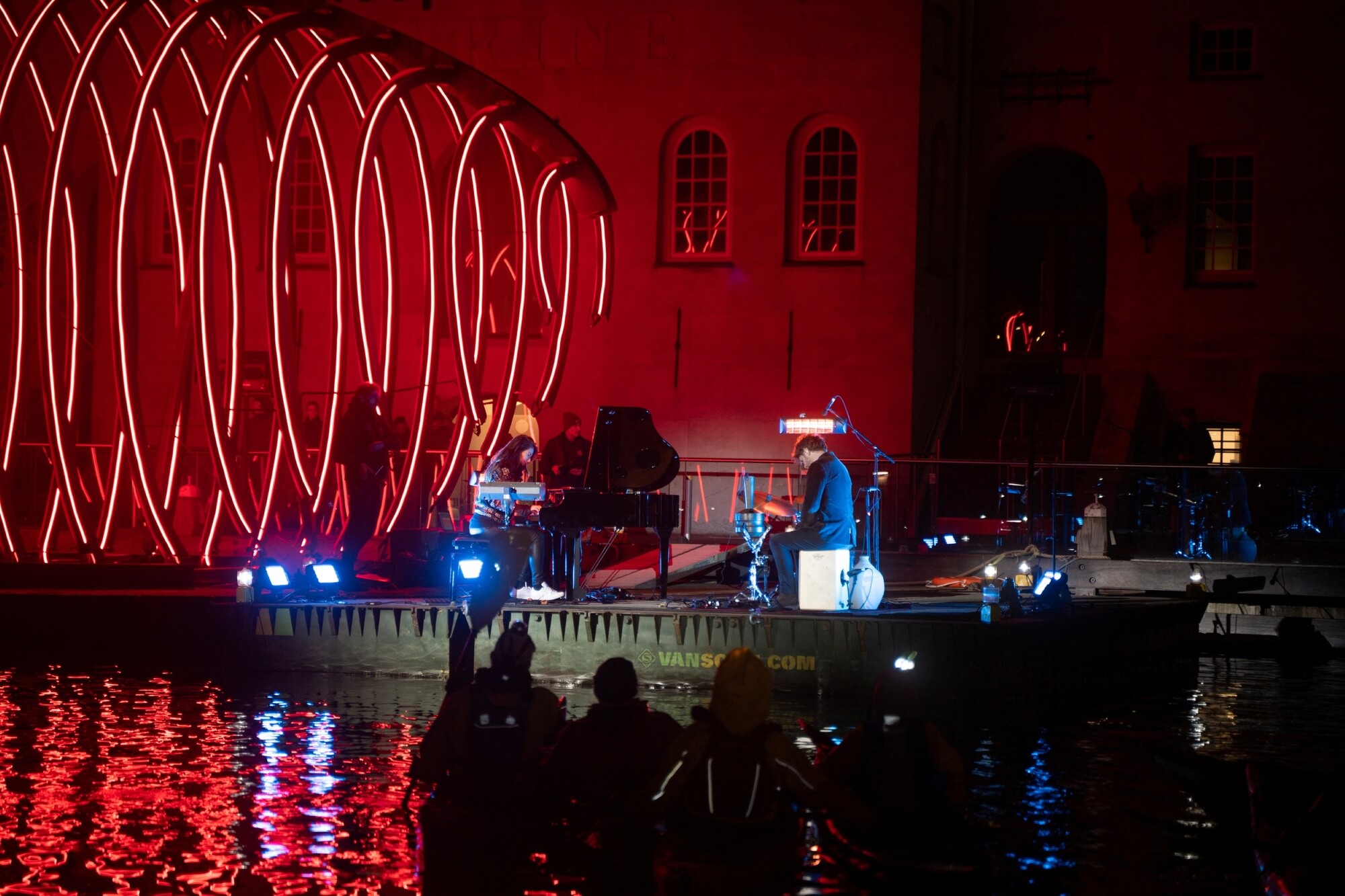
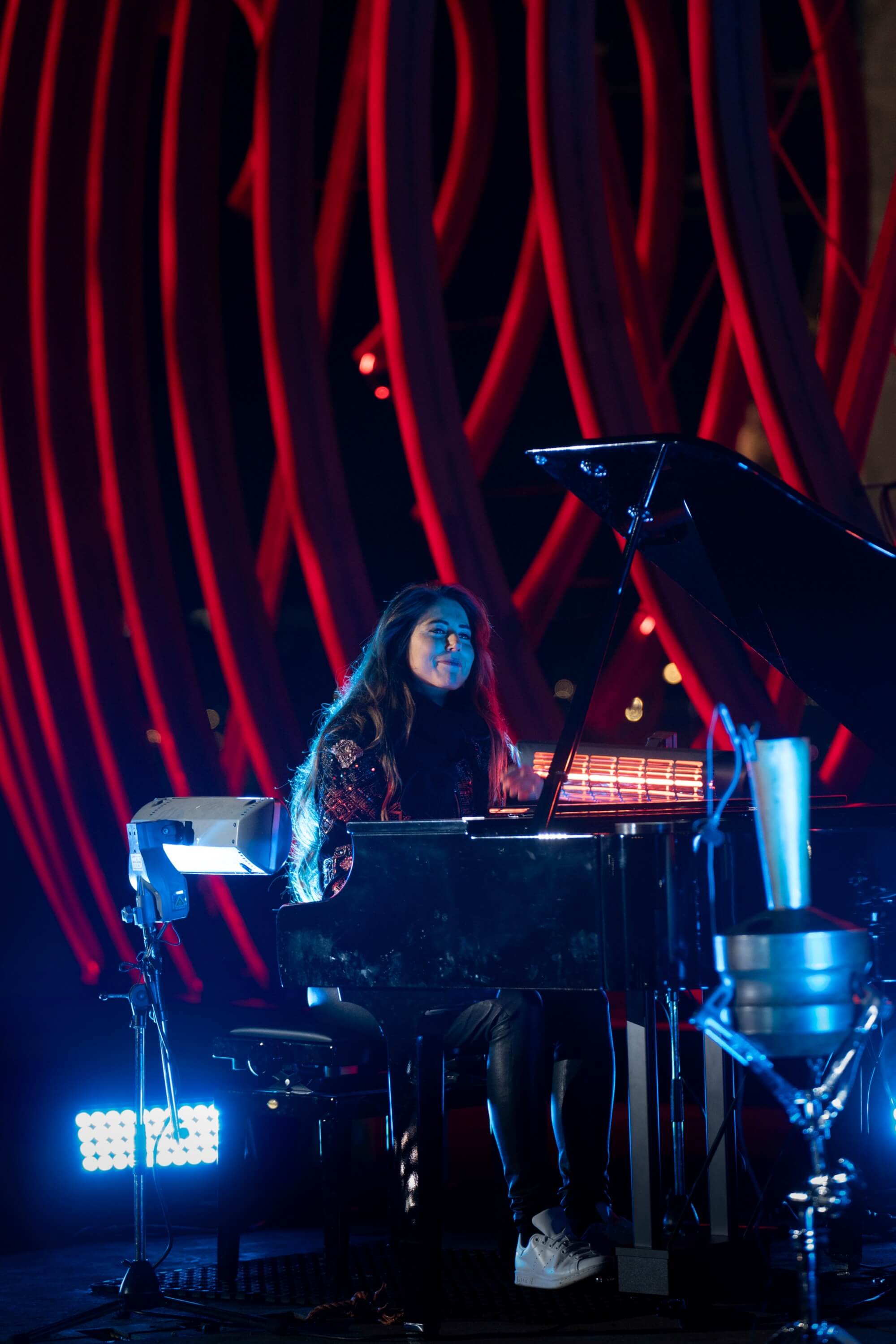
  • Whale Fall created impact by transforming an environmental phenomenon into a shared public experience at Amsterdam Light Festival, contributing to the city’s cultural tourism and night-time public realm. Environmentally, the work reframed a whale’s death as a story of renewal, drawing attention to ocean ecology, legacy and interdependence. Its temporary structure was developed with reuse and future adaptation in mind, extending value beyond a single festival season. Socially, the installation offered a memorable gathering point for reflection, public storytelling and later ocean-focused programming, including its role as a symbolic backdrop for the Greenpeace ocean treaty concert.

  • A defining feature of Whale Fall is the way its making became part of its legacy. The project was realised through an 18-month collaboration between the artist, Amsterdam Light Festival, engineers, technical producers, fabricators, lighting specialists and city stakeholders, with each stage carefully coordinated to protect the original design intent while meeting the practical demands of public installation on water.Its installation required an unusual logistical moment in Amsterdam: the opening of a city rail bridge that had not been opened in decades, allowing the completed structure to be transported into position. This movement through the city became a quiet extension of the artwork’s narrative — a temporary body travelling toward its next life.The work was designed not as a one-off festival object, but as a structure with a circular future. Its steel members, pontoon-based foundation and transportable assembly allow the artwork to be dismantled, moved, adapted and reused. Beyond its first appearance as a floating light installation, Whale Fall has the capacity to become a stage, public pavilion, gathering space or future land-based installation, extending its ecological message through continued use rather than disposal.