Safer Cities Program Round 1

good-design-award_winner_rgb_blk_logo
  • 2026

  • Social Impact

Designed By:

Commissioned By:

Transport for NSW

Designed In:

Australia

The Safer Cities program is a multi-year initiative led by Transport for NSW to help improve perceptions of safety in public spaces and transport hub precincts, especially for women, girls and gender diverse people as they go about their daily lives.


2.jpg
Girls play in Belmore Park in Sydney in front of decals inspired by the Boobook Owl, delivered by the City of Sydney as part of the Safer Cities: Her Way program. Credit: Anthony Geernaert.
3.jpg
Creative and gender-sensitive lighting upgrades along Parramatta Park, delivered by Greater Sydney Parklands through the Safer Cities program. Credit: Greater Sydney Parklands.
4.jpg
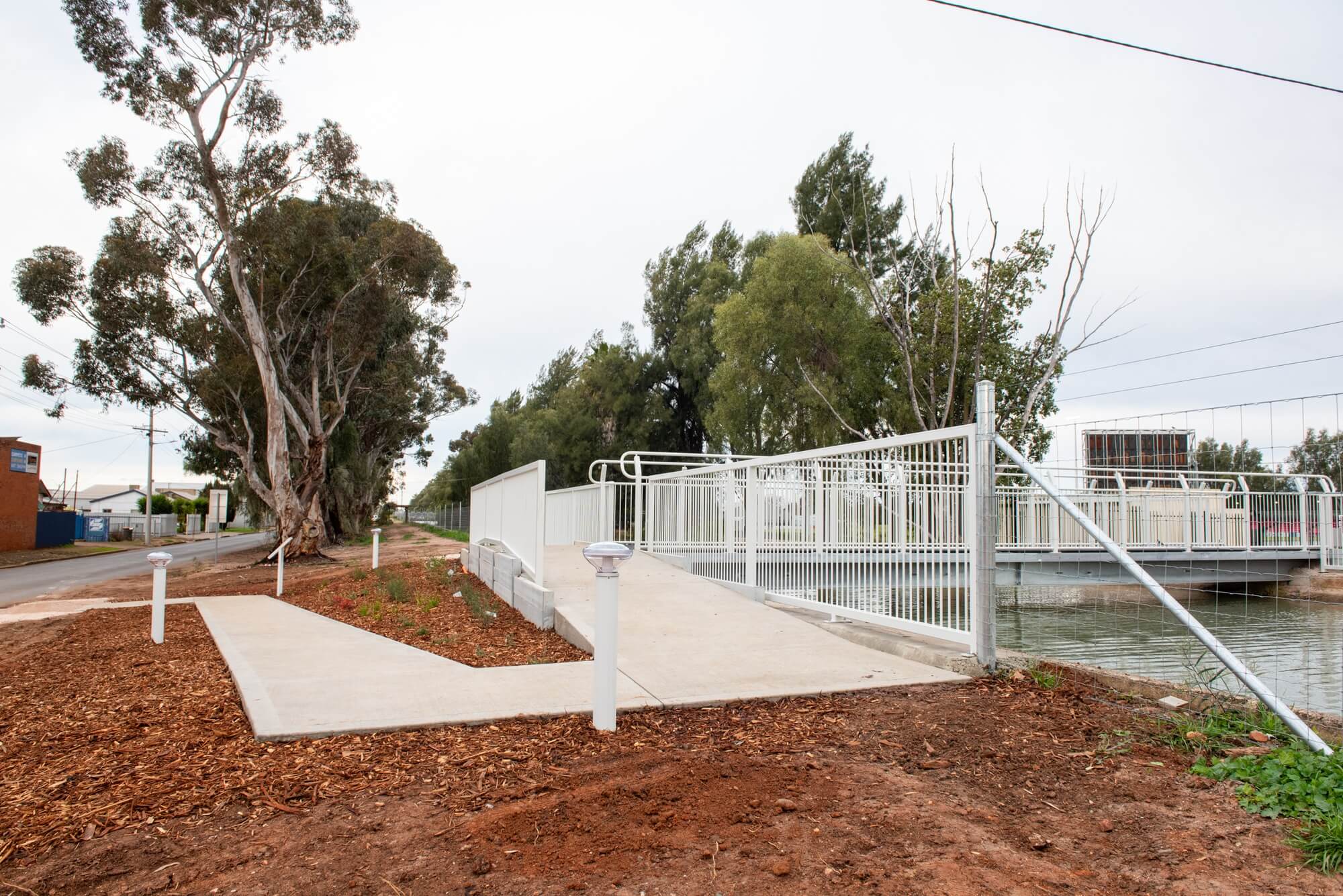
New lighting, planting, improved pathways and public art in Harold Fredericks Carpark in Lismore, delivered by Lismore City Council through the Safer Cities: Her Way program. Credit: Lismore City Council.
5.jpg
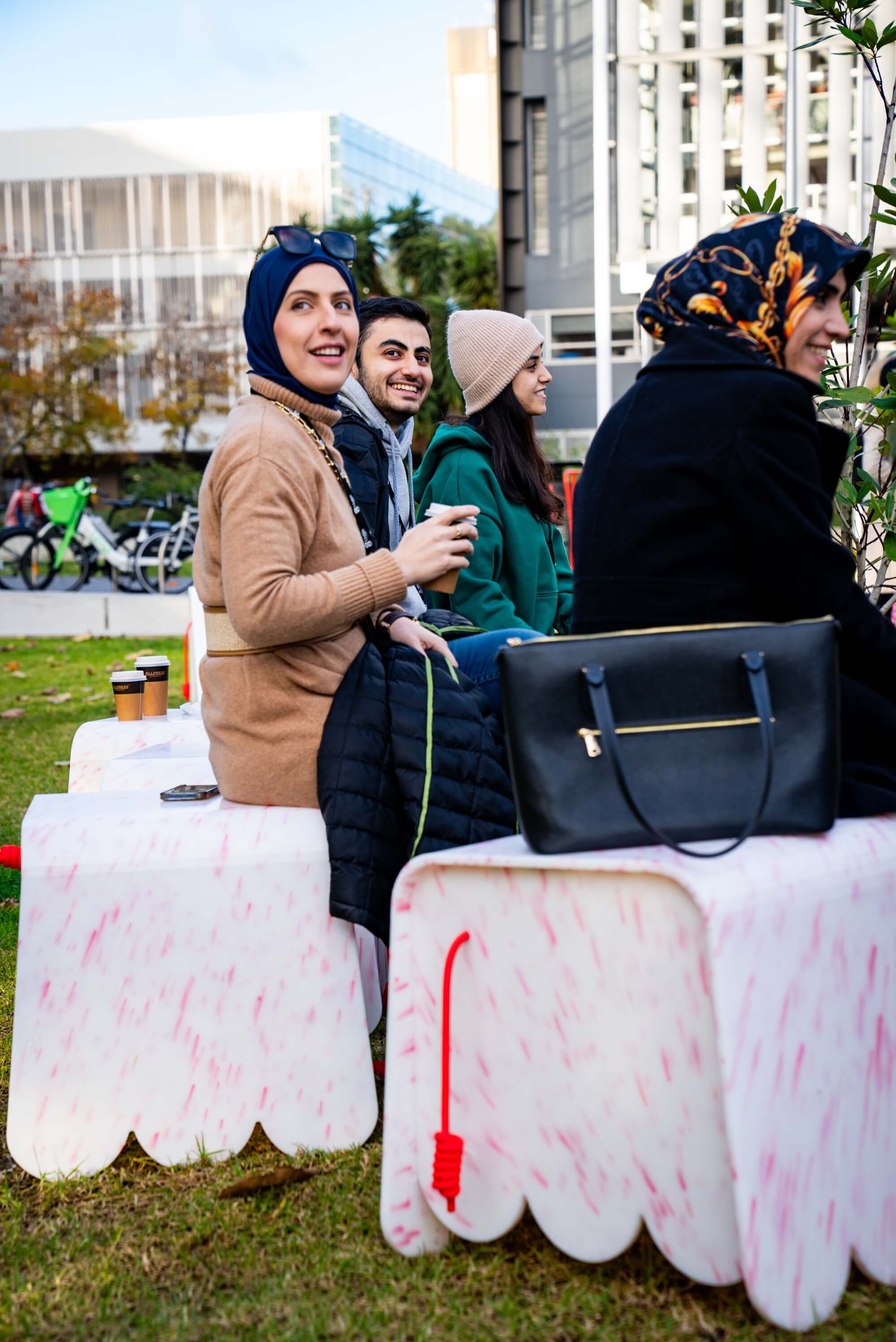
University of New South Wales students sit on the Benchmark NSW benches, a temporary smart seating project delivered through the Safer Cities program. Credit: Transport for NSW
6.jpg
New planter boxes and seating at Stanmore Train Station, delivered through the Safer Cities program. Credit: Transport for NSW.
7.JPG
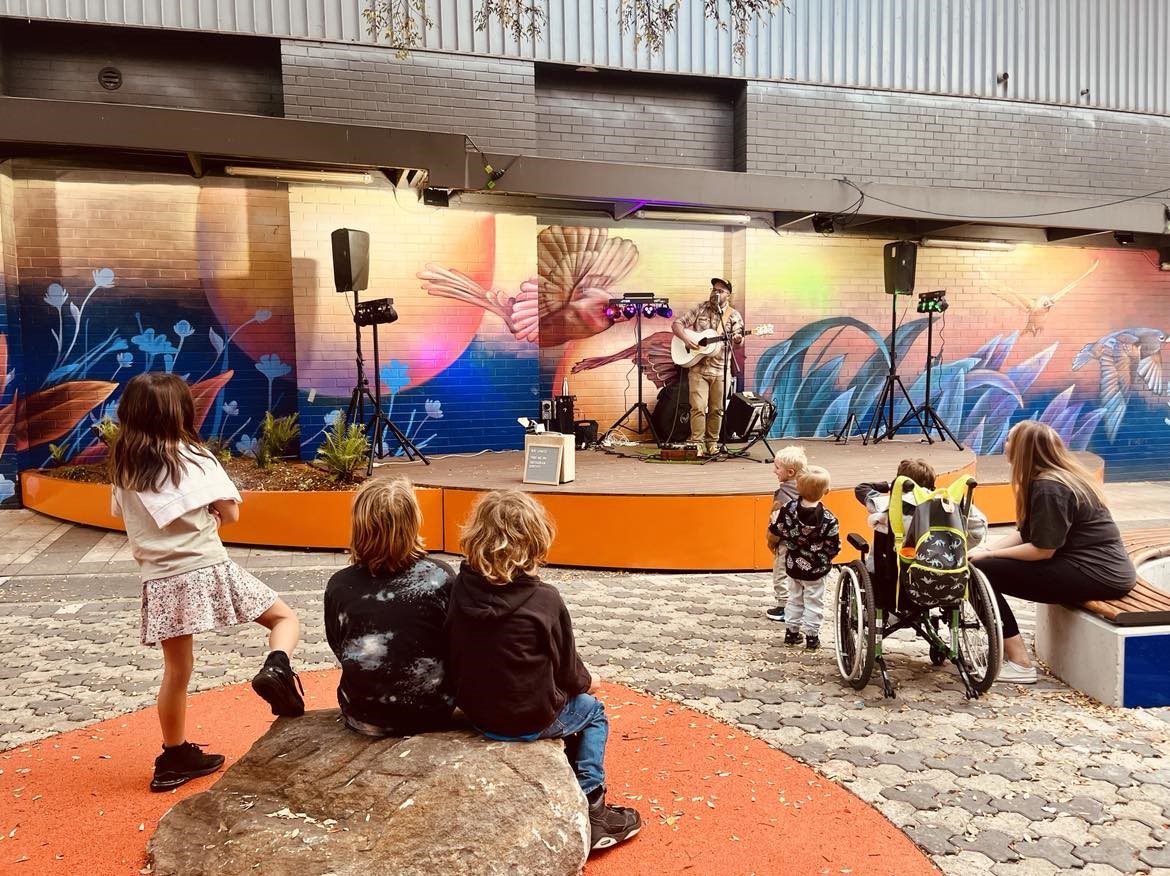
Guildford Laneway in Guildford, featuring new public art, seating and a new stage, delivered by Cumberland City Council through the Safer Cities: Her Way program. Credit: Transport for NSW.
  • CHALLENGE
  • SOLUTION
  • IMPACT
  • MORE
  • Historically, public places and transport networks have not been designed to address the unique needs of women, girls and gender diverse people. Research also shows that they have often been underrepresented in the processes that shape these spaces, including in the planning, design and management of places.While concern for personal safety in public spaces is not exclusive to women, girls and gender diverse people, research from around the world demonstrates that they are more likely to feel unsafe, and this can reduce their equitable access to opportunities, culture and public life.

  • The program worked in partnership with state and local government to address the issue holistically. All projects applied co-design as an overarching approach. Co-design is a collaborative and iterative process of engagement that involves users as “experts of their experience.” Women, girls and gender diverse people were engaged to help identify issues with public spaces and transport hub precincts that they used and how they wanted these places to be improved.Majority of the projects implemented place-based improvements. This included: lighting, public art, events, accessibility upgrades, amenities and wayfinding. Research, engagement and public education were also undertaken through the program.

  • The program has helped to enhance safety and access to public spaces and transport hub precincts for everyone, especially women, girls and gender diverse people. It has helped increase their active and meaningful participation in placemaking, urban development and governance and enabled them to move more freely in their communities across NSW. The program prompted organisational shifts for partners in addressing the needs of women, girls and gender diverse people, and considering how a place feels in its design, planning and management.

  • Through its initial $30 million investment complete at June 2025, the program partnered with 10 local councils (6 metropolitan, 4 regional) and 12 state government agencies to deliver more than 20 projects across NSW. 460 initiatives such as lighting, public art and events, were tested and trialled for their impact on perceptions of safety for women, girls and gender diverse people; 100 of these initiatives were made permanent. Almost 24,000 people were engaged through the program.The evaluation of the program showed that the quality of project locations improved, leading to improved perceptions of safety by 59% during the day and 37% after dark. More people felt comfortable, safe and included in the project locations and that they enjoyed visiting and spending time in the locations. More people overall visited and used the project locations; a more equitable representation of women moving through and staying in the project locations was observed.For many partners, the program was their first opportunity to focus on gender and its impacts on public space. The program developed a strong evidence base on the need for inclusive public space design and has demonstrated the value of co-design, collaboration and community-driven approaches.