McGrath Foundation Model of Care for All Cancers

good-design-award_gold-winner_rgb_blk_logo
  • 2026

  • Social Impact

Commissioned By:

McGrath Foundation

Designed In:

Australia

The McGrath Foundation and Ethicol worked together to design the McGrath Model of Care for All Cancers is Australia’s first national framework for specialist supportive cancer nursing across all cancer types that guides equitable, evidence-based care for people experiencing cancer, regardless of diagnosis, location, or background.
view website

2.jpg
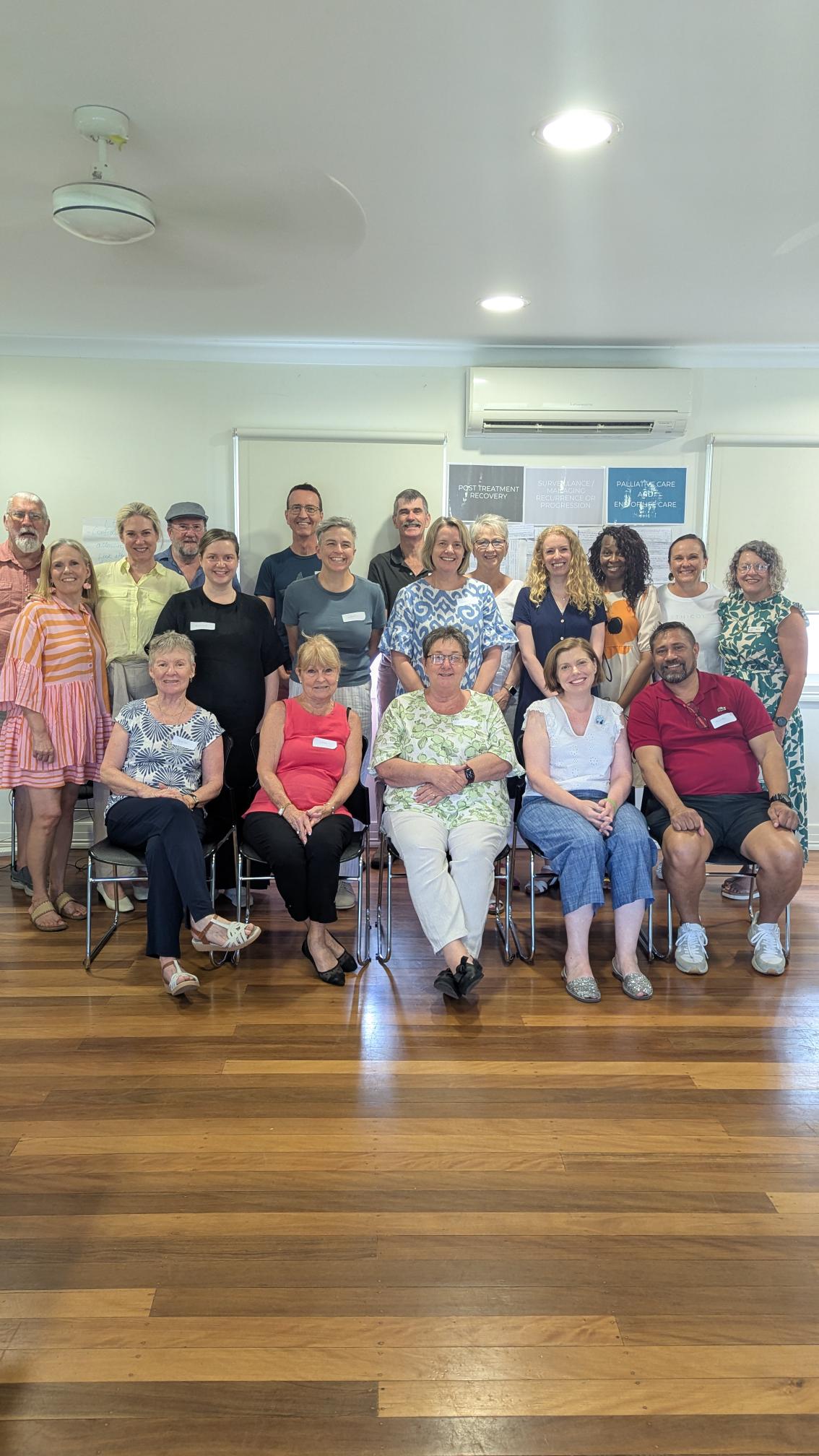
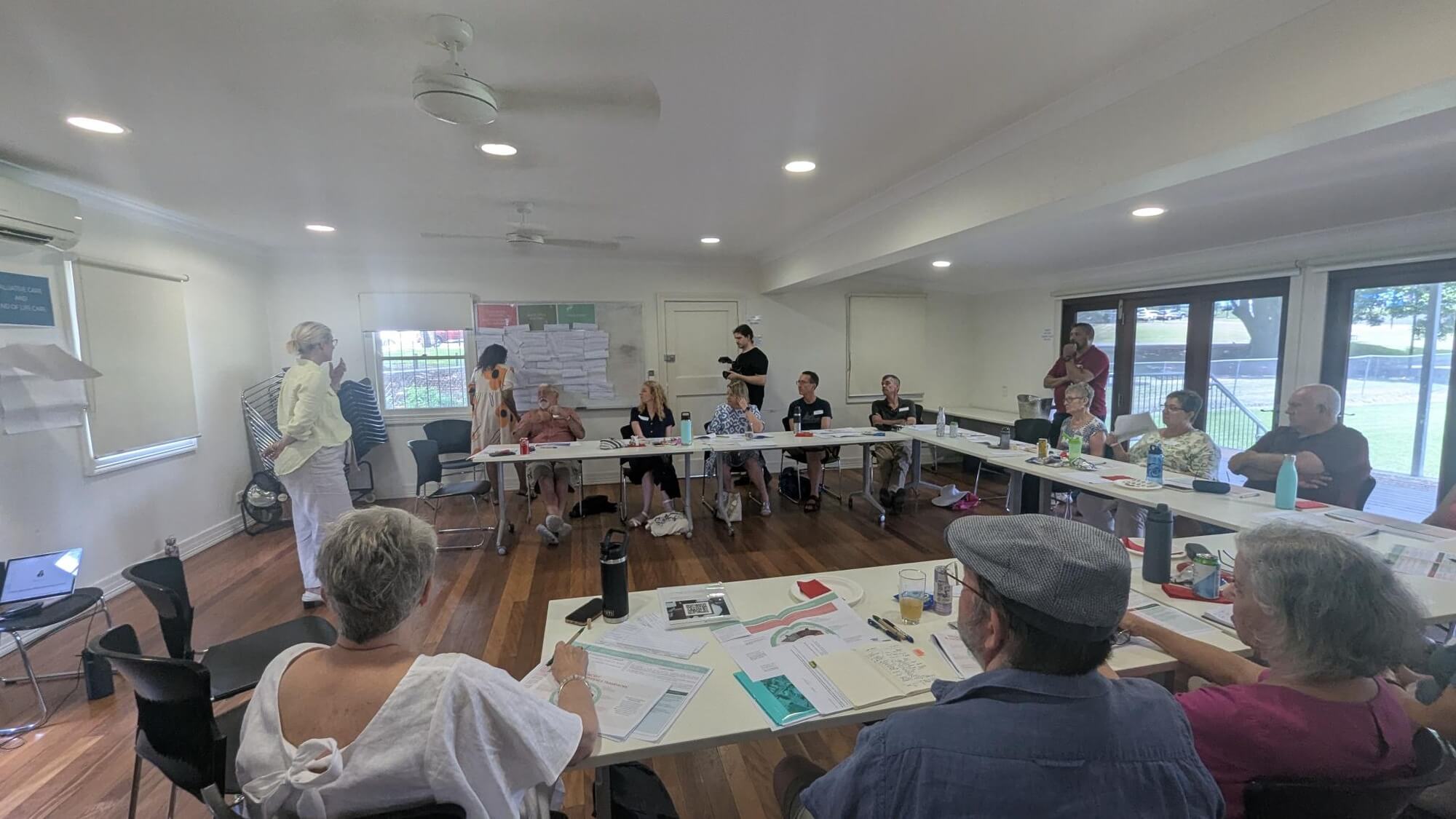
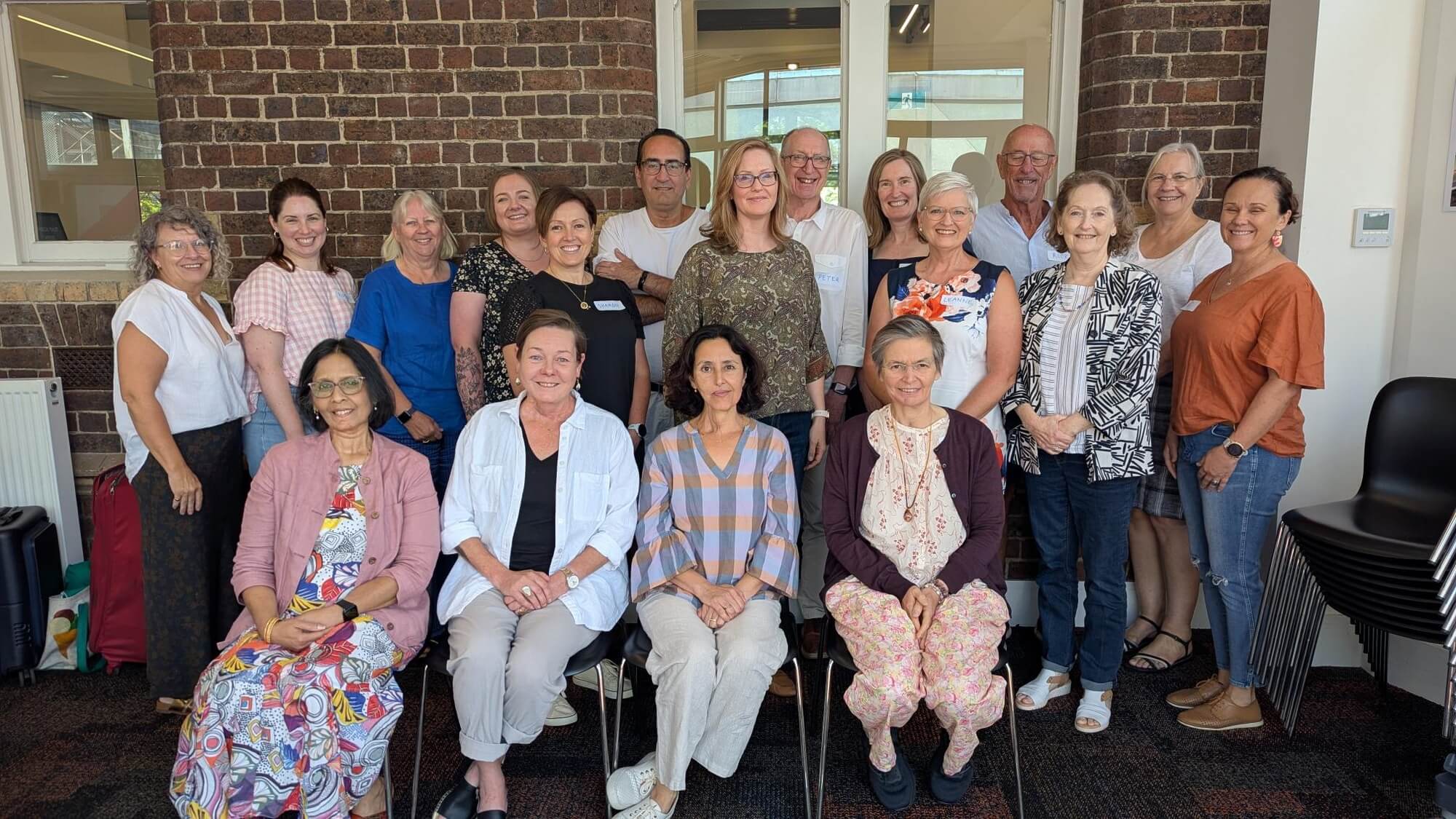
Participants in Brisbane
3.jpg
Participants in Brisbane
4.jpg
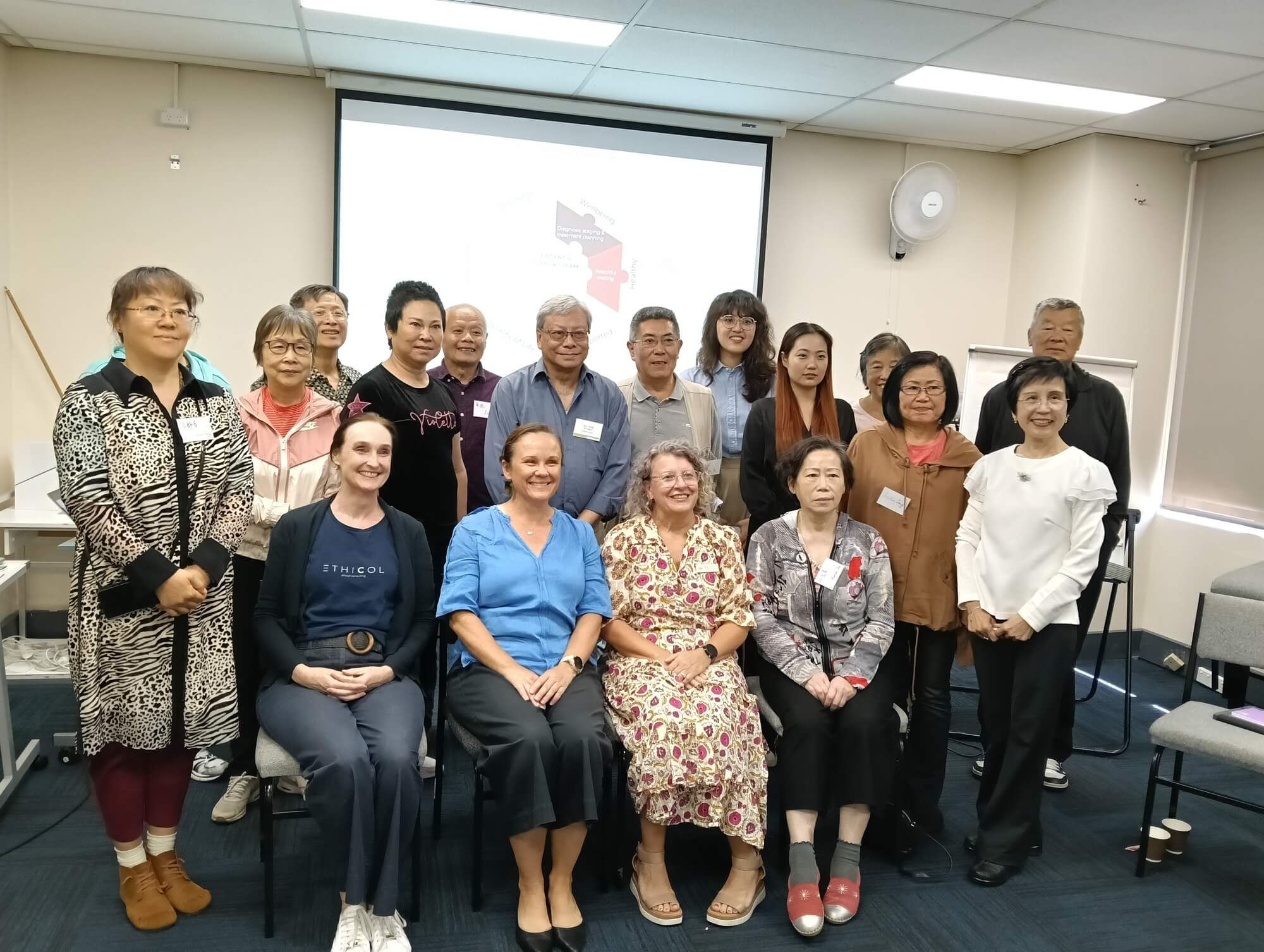
Participants from CanRevive
5.jpg
McGrath and Ethicol Team
6.jpg
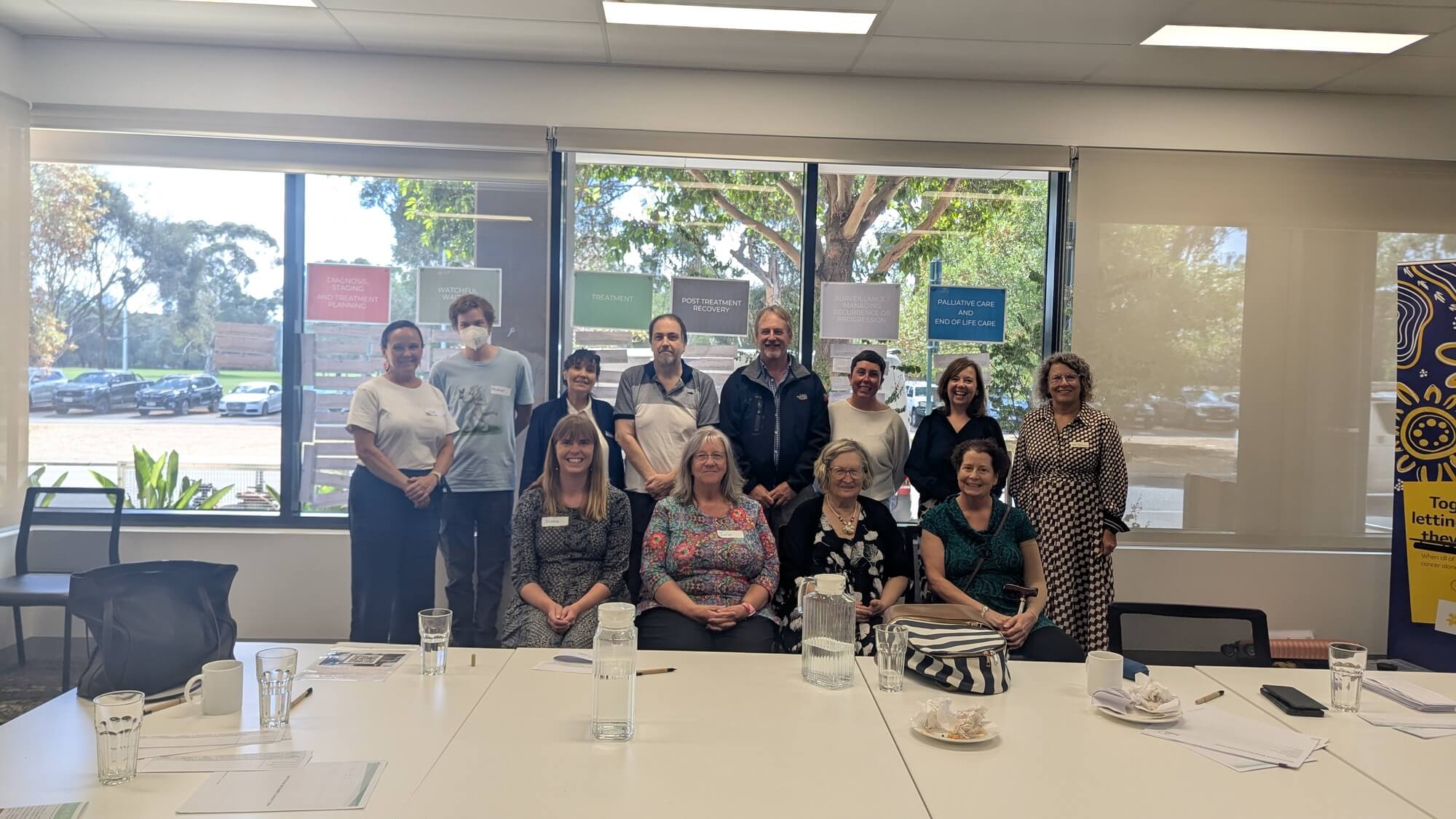
Participants in Melbourne
7.jpeg
Participants in Perth
8.jpeg
  • CHALLENGE
  • SOLUTION
  • IMPACT
  • MORE
  • In 2023, the Australian Government tasked the McGrath Foundation with extending its specialist cancer nursing from breast cancer to every cancer type. The challenge was formidable with almost one in two Australians diagnosed with cancer in their lifetime, yet access to supportive cancer care varies by cancer type, geography, and demographics. Existing frameworks followed a linear trajectory, failing to reflect the complex, non-linear reality of living with cancer. Priority populations, including First Nations Australians, rural Australians, CALD, and LGBTQIA+ communities face additional systemic barriers. No single, flexible, evidence-based framework had ever been co-designed at this scale for the Australian context.

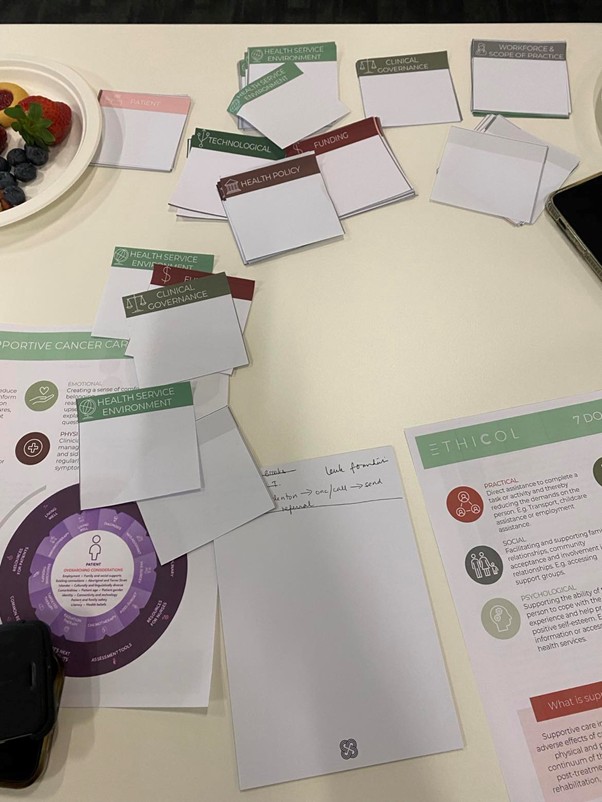
  • Ethicol and the McGrath Foundation led a rigorous Ethics approved co-design process delivered from April 2024 to November 2025. Over 850 voices including lived experience, carers, and clinicians shaped the model across 33 focus groups and workshops. Thousands of individual comments were analysed using a mixed-methods analysis framework, synthesised with a literature review and Australia's Optimal Care Pathways. A unique feature was the inclusion of a Delphi consensus survey to provide a robust process in determining the final inclusions in the model. The final model is approved by the Commonwealth Government and endorsed by the Cancer Nurses Society of Australia.

  • The result is a model of care that addresses the needs of priority populations as a structural feature and not a supplementary addition. The framework includes tailored guidance, specific resources, and explicit acknowledgement of how cultural context, identity, geography and socioeconomic status shape cancer experience and care access.Beyond the model itself, the codesign methodology has been presented in many forums as a replicable framework for health projects seeking meaningful inclusion of lived experience. The documented, evidence-based strategies represent a contribution to design practice that extends beyond this project and are transferable to any future health service codesign.

  • Several features distinguish the McGrath Model of Care for All Cancers from previous frameworks in Australian supportive cancer nursing.The framework rejects the conventional linear cancer pathway, placing the patient and support team at the centre of a non-linear, cyclical model that reflects real lived experience at each care stage with living well as a continuous thread at every stage.Margaret Fitch is a researcher and leader in supportive cancer care. Her seven domains of supportive cancer care (informational, emotional, physical, practical, psychological, social and spiritual/cultural) provide the organising structure, ensuring whole-person care is addressed at every point.The priority populations strategy is a key design feature. Ethicol worked alongside the McGrath Foundation to develop bespoke engagement strategies for underserved communities including First Nations Australians, LGBTQI+ people, rural and remote Australians, culturally and linguistically diverse communities. Strategies were stress-tested with advisory groups and community experts before implementation, with a six-month lead time to allow genuine relationship-building.The model is designed to be accessible and locally implementable, available for download as an interactive PDF. The model had been approved by the Commonwealth Government, endorsed by the Cancer Nurses Society of Australia and subject to a two-yearly review cycle.