Safer Cities Program Round 1

good-design-award_winner_rgb_blk_logo
  • 2026

  • Policy Design

Designed By:

Commissioned By:

Transport for NSW

Designed In:

Australia

The Safer Cities program is a multi-year initiative led by Transport for NSW to improve perceptions of safety in cities and towns, especially for women, girls and gender diverse people. The program improved public spaces and precincts and built capacity through free tools and resources.

view website

2.jpg
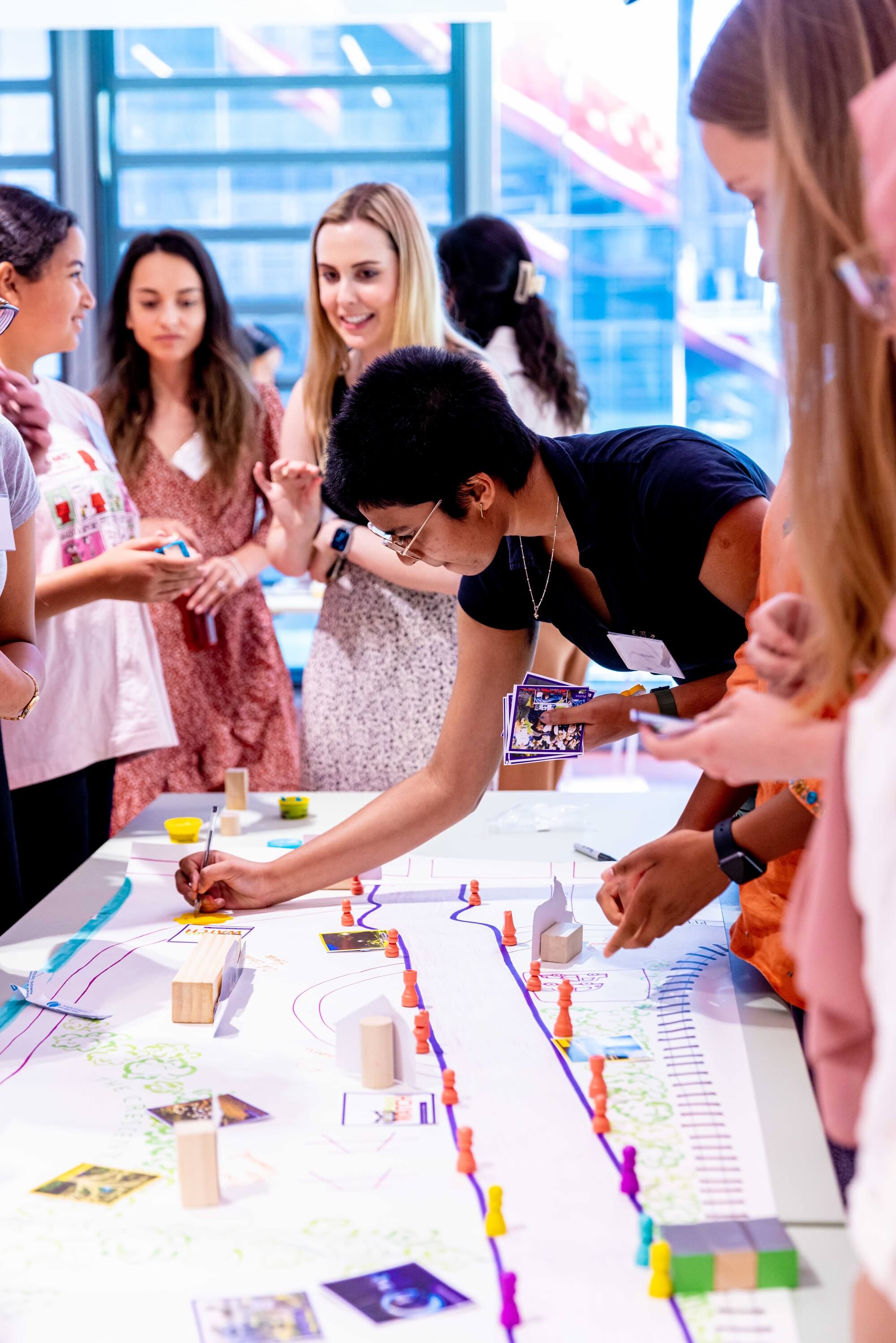
A group of women taking part in a co-design workshop at Lismore. Image Credit: Lismore City Council.
3.jpg
A group of high school students sitting at a bus stop they helped design through the Safer Cities: Her Way program Image Credit: Griffith City Council
4.jpg
High school students take part in a co-design session for Parramatta Park as part of the Safer Cities program. Credit: Transport for NSW.
5.jpg
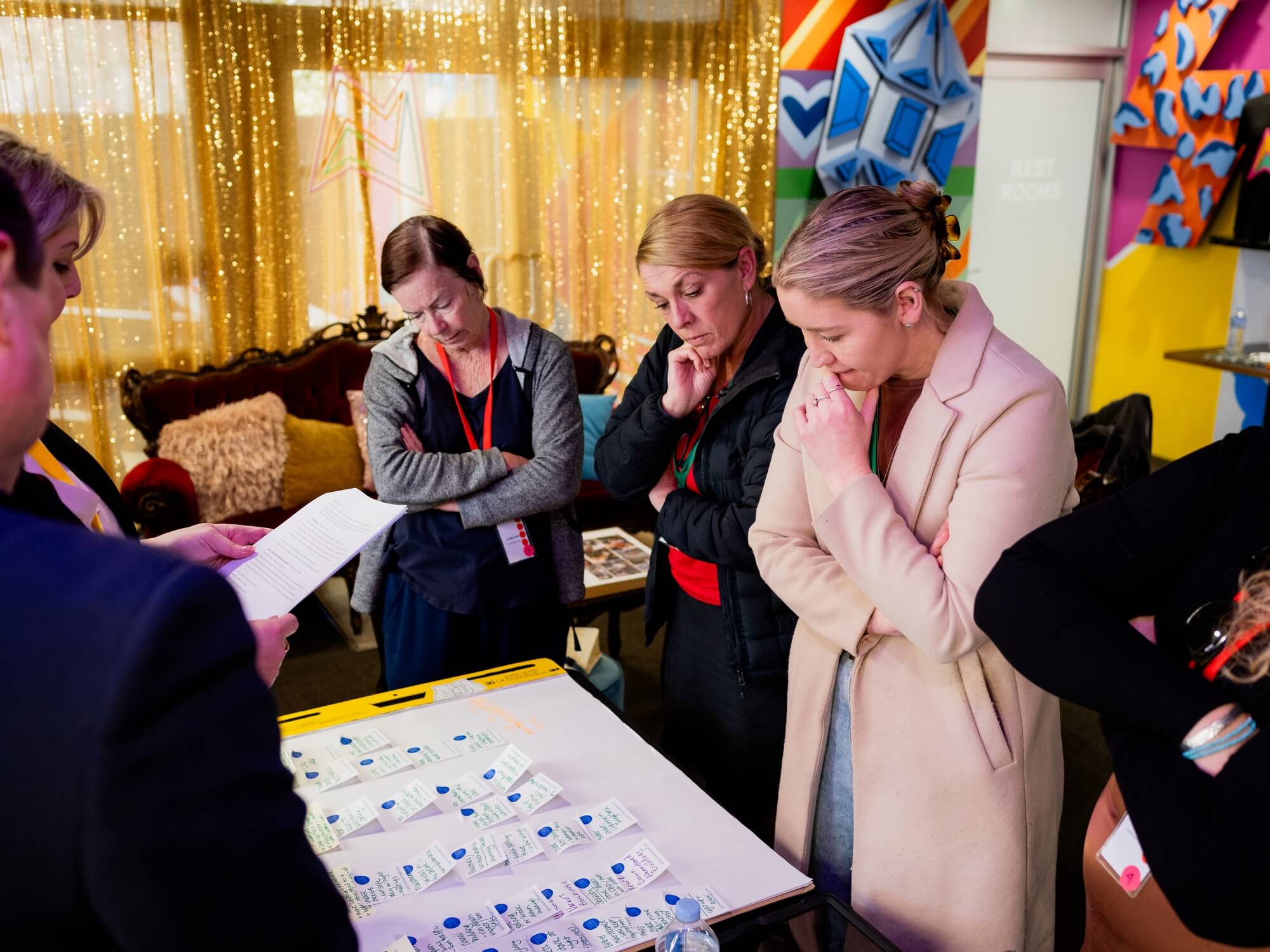
A group of women taking part in a co-design session in Gosford. Image Credit: Matt Horspool for Central Coast Council
6.JPG
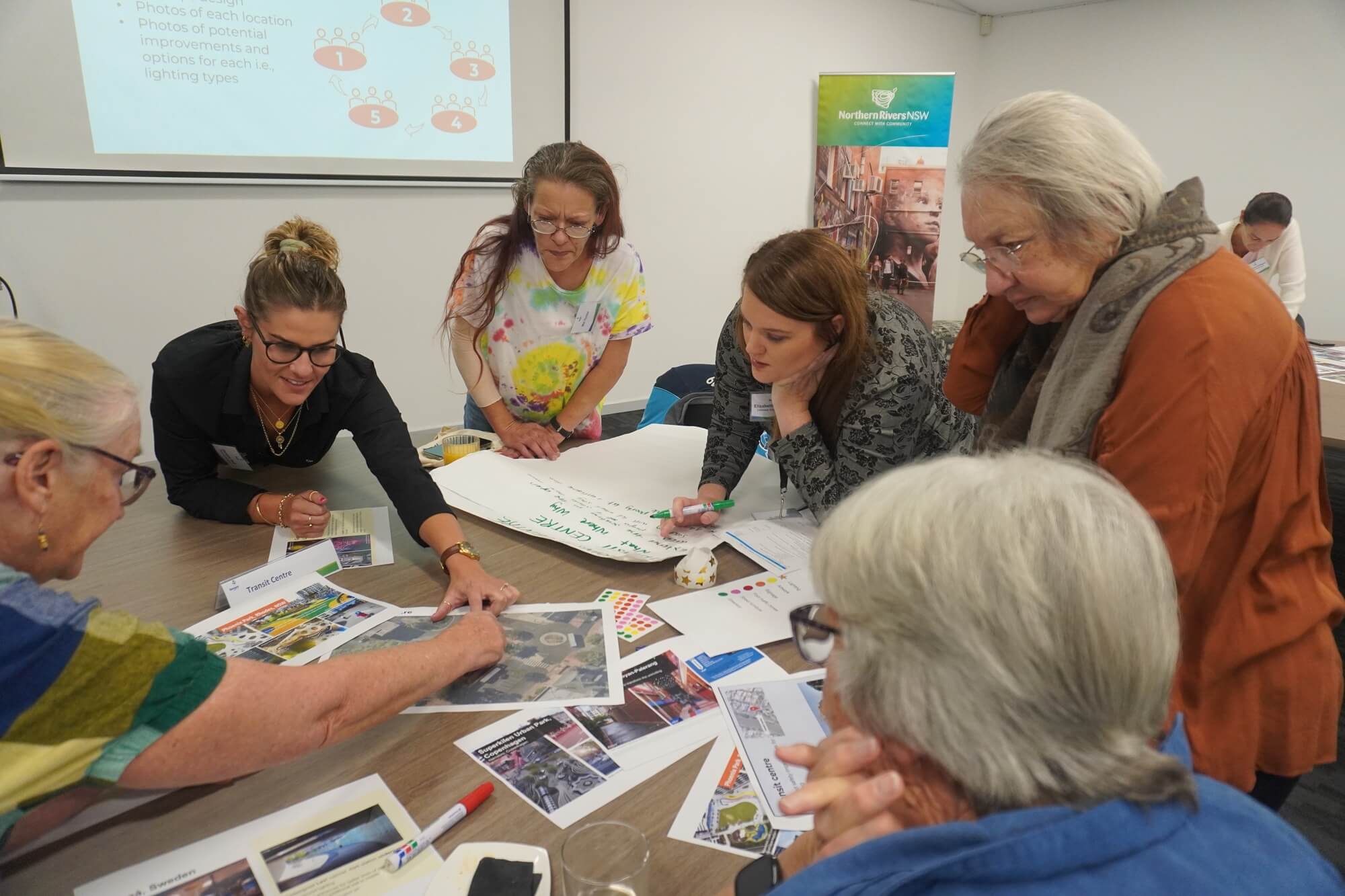
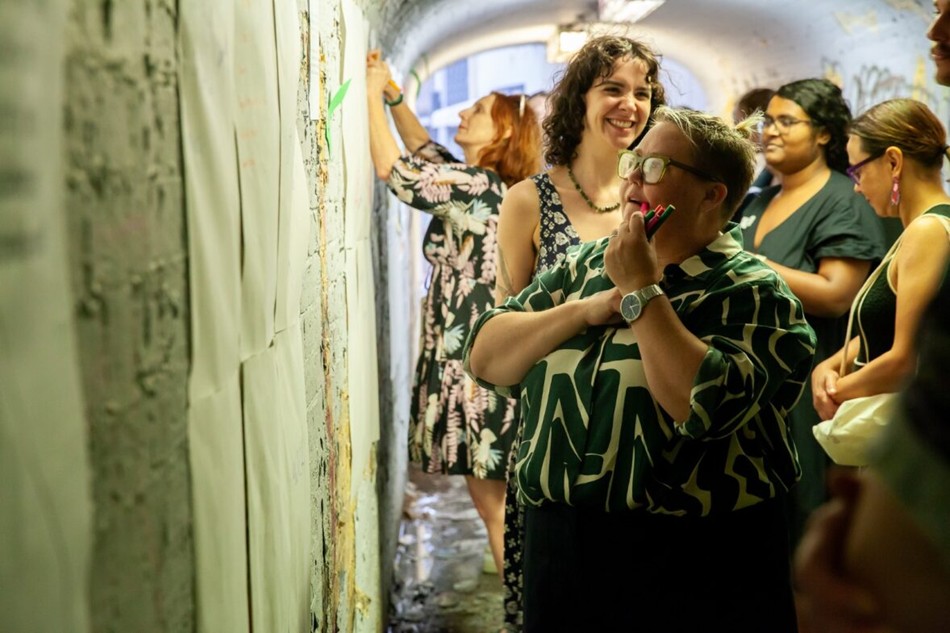
A group of women taking part in a post-implementation walkshop to help evaluate the success of the project in MacCabe Park, Wollongong. Image Credit: Wollongong City Council.
7.jpeg
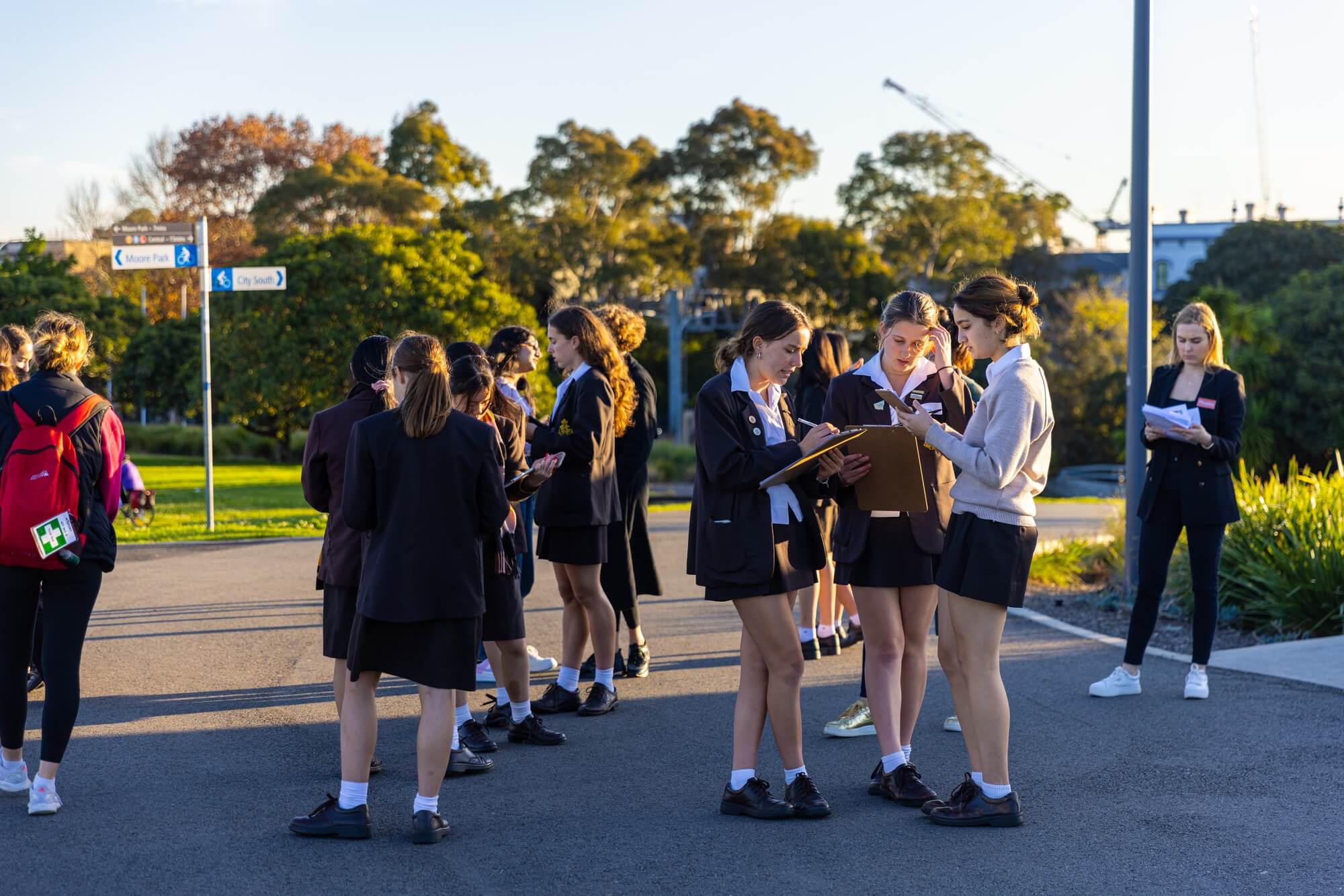
Students from Sydney Girls High School participate in a walkshop for the Safer Cities program in the Moore Park Precinct. Credit: Transport for NSW.
  • CHALLENGE
  • SOLUTION
  • IMPACT
  • MORE
  • Historically, public places, including in transport hub precincts, have not been designed to address the unique needs of women, girls and gender diverse people. Research also shows that they have often been underrepresented in the processes that shape these spaces, including in the planning, design and management of places.While concern for personal safety in public spaces is not exclusive to women, girls and gender diverse people, research from around the world demonstrates that they are more likely to feel unsafe, and this can reduce their equitable access to opportunities, culture and public life.

  • The Safer Cities program Round 1 was a $30 million Transport for NSW initiative that aims to improve perceptions of safety and comfort in public spaces across NSW. It is the first of its kind to apply a statewide approach that combined research, co-design, place-based trials and evaluation.New resources were developed for the Great Places Toolkit to build capacity, reflect the experiences of delivering projects and share lessons learned through the Program. These resources were co-designed with partners and practitioners, and provided a consistent, evidence‑based framework for understanding and improving perceptions of safety in public spaces and transport hubs.

  • The program delivered over 460 interventions in 19 local government areas in NSW in a mix of contexts such as town centres, high streets, urban parks and transport hubs. Projects implemented a mix of interventions based on co-design feedback such as lighting, accessibility, wayfinding, amenities, events and public art.Outcomes achieved at project locations included significant improvements in perceptions of safety and inclusion. A key impact of the program was the development of tools and resources which translated learnings into scalable practice. Partners reported improved understanding of gender and perceptions of safety in public spaces because of their participation.

  • Through its initial $30 million investment complete in June 2025, the program partnered with 10 local councils (6 metropolitan, 4 regional) and 12 state government agencies to deliver more than 460 interventions across NSW. Almost 24,000 people were engaged through the program. The evaluation of the program showed that the quality of project locations improved, leading to improved perceptions of safety by 59% during the day and 37% after dark. More people felt comfortable, safe and included in the project locations and they enjoyed visiting and spending time in the locations, with a more equitable representation of women moving through and staying in the project locations observed. For many partners, the program was their first opportunity to focus on gender and its impacts on the design and use of public spaces. Partners reported organisational shifts in addressing the needs of women, girls and gender diverse people in the design, planning and management and in how they do this, co-designing with women, girls and gender diverse people.Tools and resources were developed alongside project’s delivery, using lessons learned to fill gaps identified during implementation and evaluation. This strengthened the ability of councils and practitioners to adopt gender-inclusive approaches consistently over time.