Gippsland Offshore Wind Community Assembly

good-design-award_winner_rgb_blk_logo
  • 2026

  • Social Impact

Designed In:

Australia

Regions are experiencing the rollout of new energy projects often with negative experiences. DemocracyCo designed and hosted a Citizens Assembly and stakeholder engagement process to explore how local communities can genuinely benefit from the energy transition – the aim being to build agency by the community and improve energy transition process.
view website

2.jpg
3.jpg
4.JPEG
5.JPEG
6.JPEG
7.JPEG
  • CHALLENGE
  • SOLUTION
  • IMPACT
  • MORE
  • Regional communities in Australia are feeling excluded from decision-making about the renewable energy transition, leading to mistrust and opposition. Projects are often dividing communities, especially landowners who benefit and those who don’t. There’s a strong perception of unfairness, with rural areas hosting infrastructure whilst the cities are gaining the most benefits. A lack of consultation, unequal benefits, and social disruption, rather than opposition to renewable energy itself is slowing the roll out of renewable energy. The solution lies in the design of the engagement process and the roll renewable energy companies and government’s give citizens in defining how benefits flow.

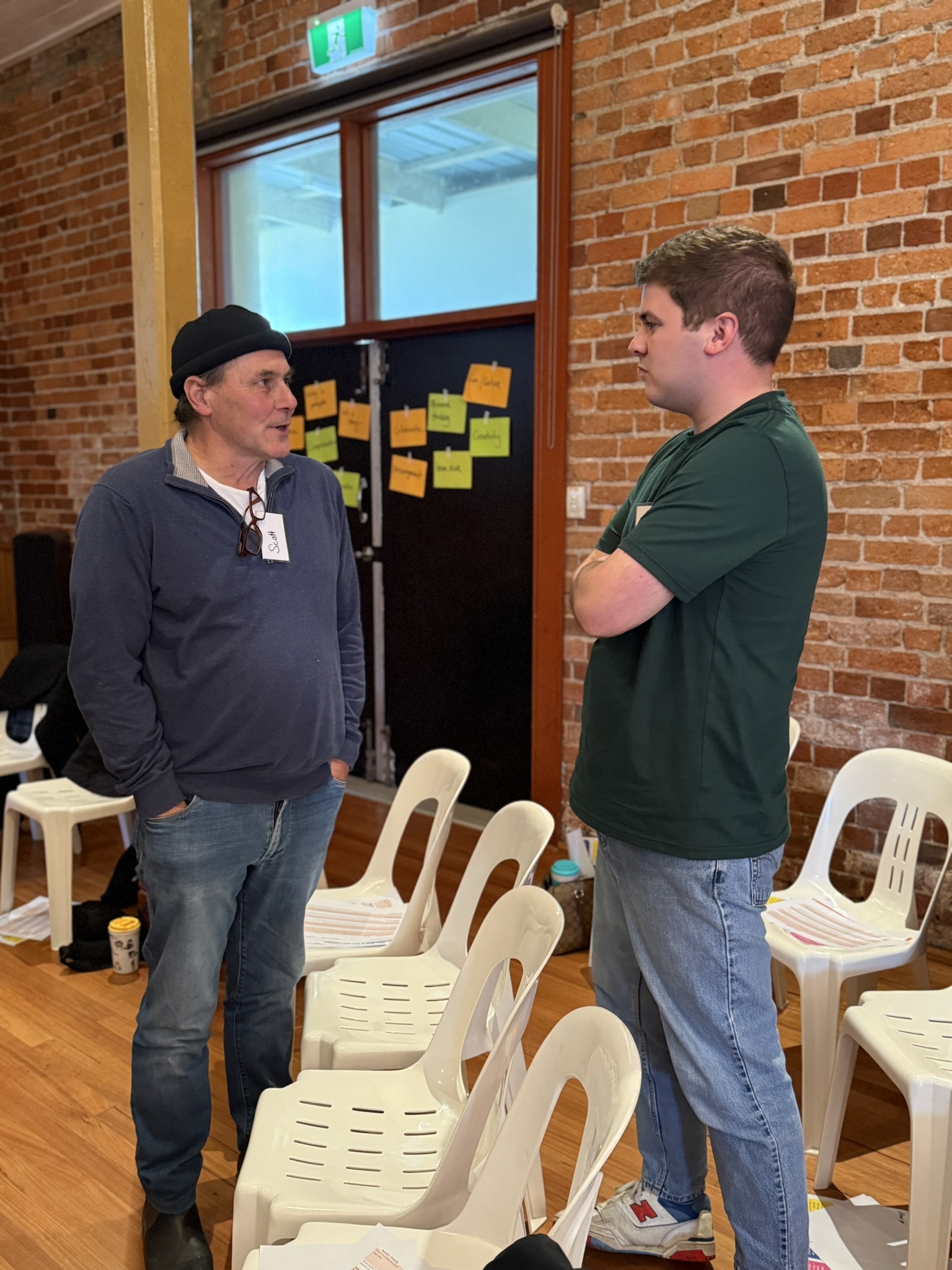
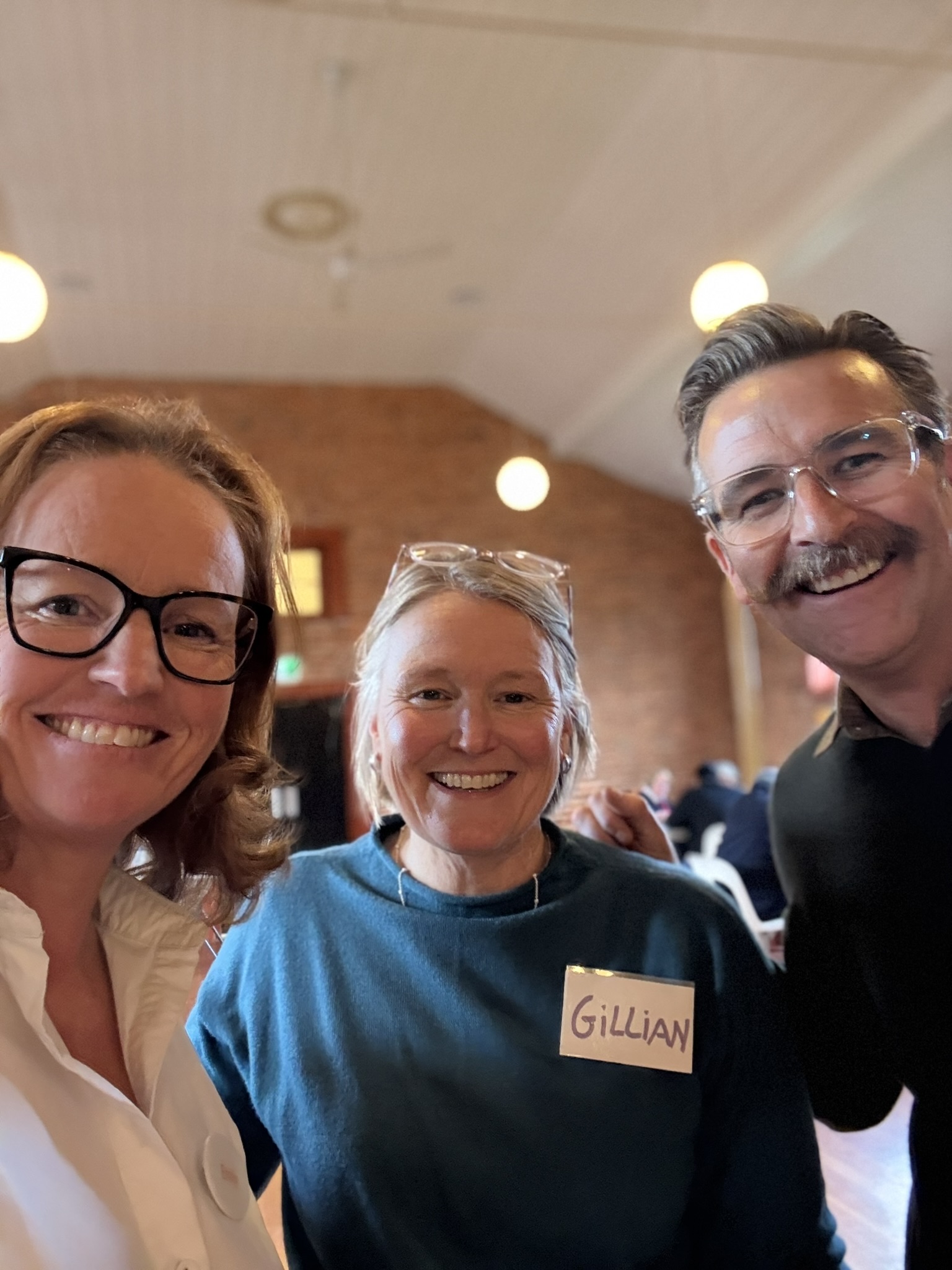
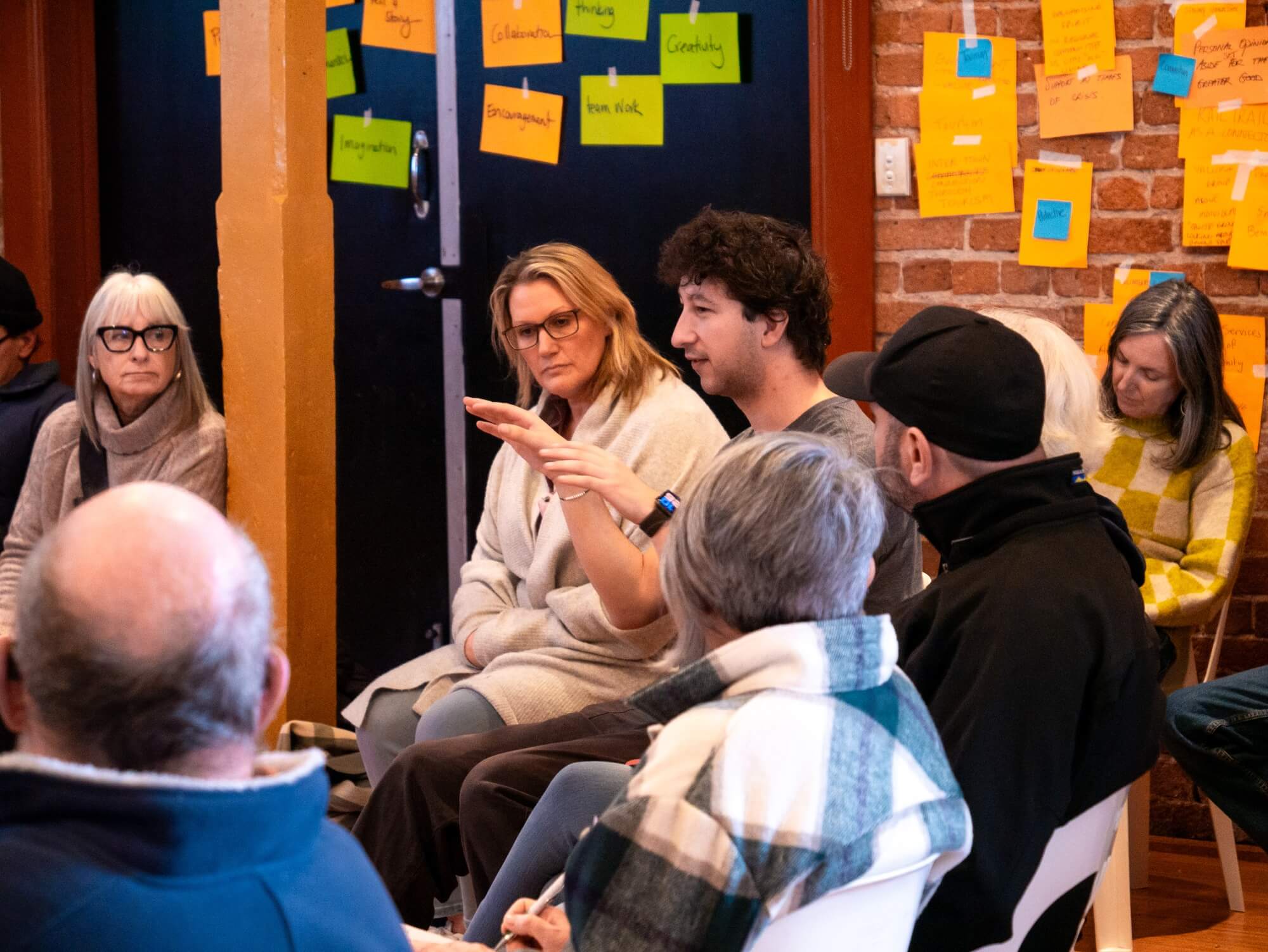
  • DemocracyCo addressed ineffective engagement in the energy transition by designing a deliberative Citizens’ Assembly and stakeholder engagement process tailored to local circumstances. Using a transparent process, 50 diverse locals were recruited to reflect the community’s demographics and experience. The Assembly created a structured, safe space for informed learning, facilitated dialogue and collective decision‑making between community members, industry and government. Key design elements included recruitment using random selection and stratification, unbiased expert input, facilitated deliberation and publicly shared outcomes with a commitment to action. Despite being a polarising issue, the process reduced conflict, rebuilt trust and demonstrated a scalable, people‑centred alternative.

  • The GOWCA delivered measurable social and governance impacts. Community‑led recommendations shaped six priority areas, providing government and industry with a clear mandate to move forward responsibly. Participants gained deeper understanding of offshore wind, with a 102% increase in knowledge and a 30% increase in local support. The process strengthened social cohesion, increasing participants’ sense of belonging by 21% and activating 43% to take local action. Most importantly, the Assembly established a credible foundation for an ongoing community participation mechanism, enabling long‑term shared value and locally driven partnerships, shared solutions, and a future where offshore wind delivers lasting benefits for all.

  • The GOWCA was underpinned by a rigorously designed, inclusive engagement strategy that ensured legitimacy, transparency and impact. A Project Advisory Group (PAG) played a central role in shaping and refining the process, bringing together a coalition of local, regional and state‑level stakeholders. This ensured that all relevant stakeholders were listening to the community, and learning best practice engagement.Diversity was foundational to the design. A representative mix of residents was achieved through sortition, to achieve inclusive recruitment targets. Opportunities for participation extended well beyond Assembly members: community members could make submissions, provide their views through online discussions or observe proceedings, aiding public trust.The Assembly was informed by balanced expert perspectives and facilitated through a structured deliberative process that examined impacts across three dimensions: people, place and productivity. This systems‑based approach enabled participants to consider direct, indirect and long‑term effects on communities, the environment and local economies.Pre‑ and post‑Assembly polling measured impact, while the Gippsland Climate Change Network continues as local host, championing recommendations and supporting ongoing community advocacy.