Boonwurrung Relational Seasonal Calendar: Reducing Urgency Through Place-Based Design

good-design-award_winner_rgb_blk_logo
  • 2026

  • Social Impact

Commissioned By:

Biik Bundjil

Designed In:

Australia

Time is not a schedule. It is a system. The Boonwurrung Relational Seasonal Calendar reframes time from fixed structures into a relational system grounded in Country.Embedded across education and organisations, it shifts from urgency to rhythm, improving wellbeing, decision-making, and connection to place at scale.

view website
Buy online

2.jpg
3.jpg
4.jpg
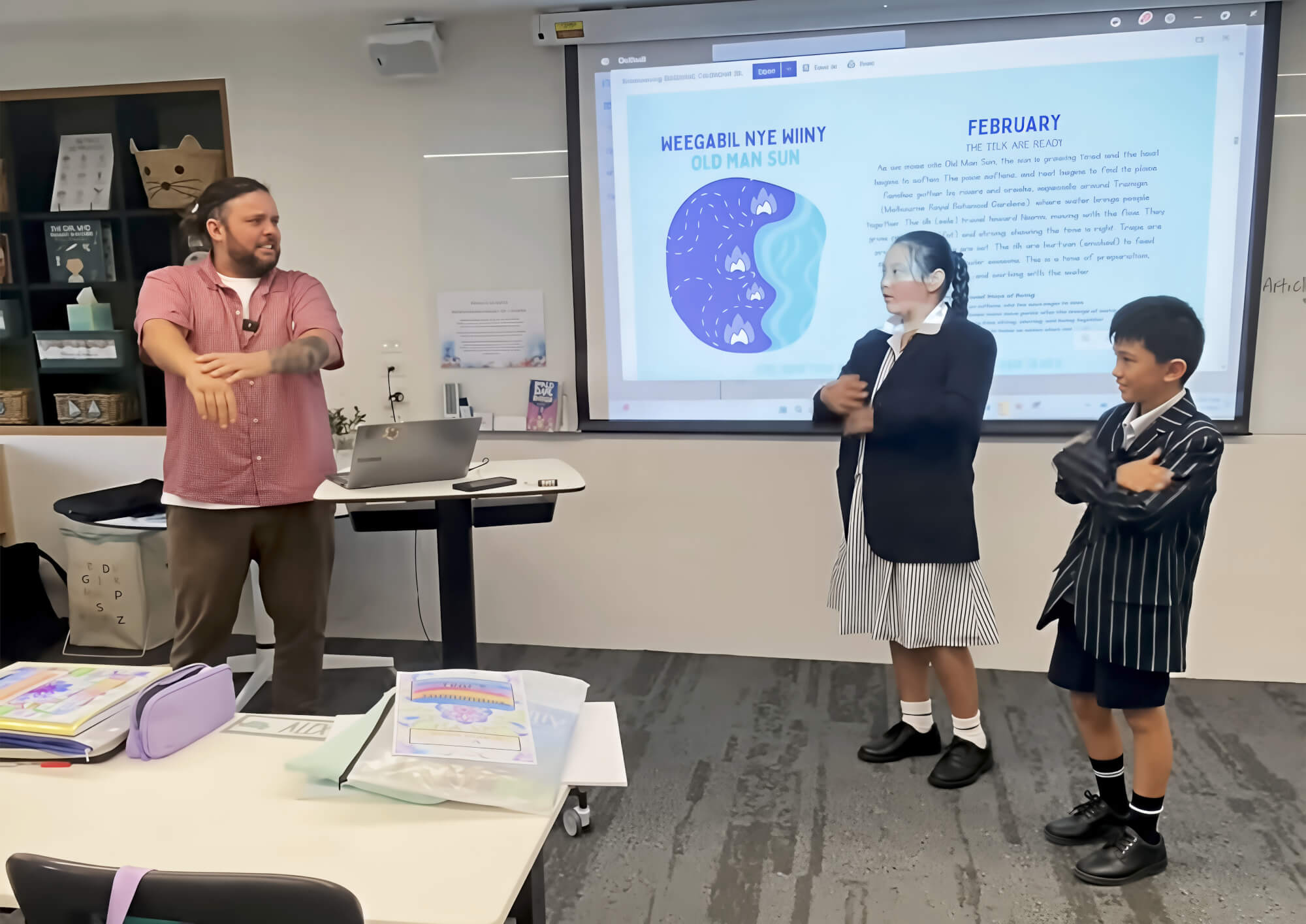
Photographer - Jared Cross - National Indigenous Times
5.jpg
6.jpg
7.jpg
8.jpg
9.jpg
  • CHALLENGE
  • SOLUTION
  • IMPACT
  • MORE
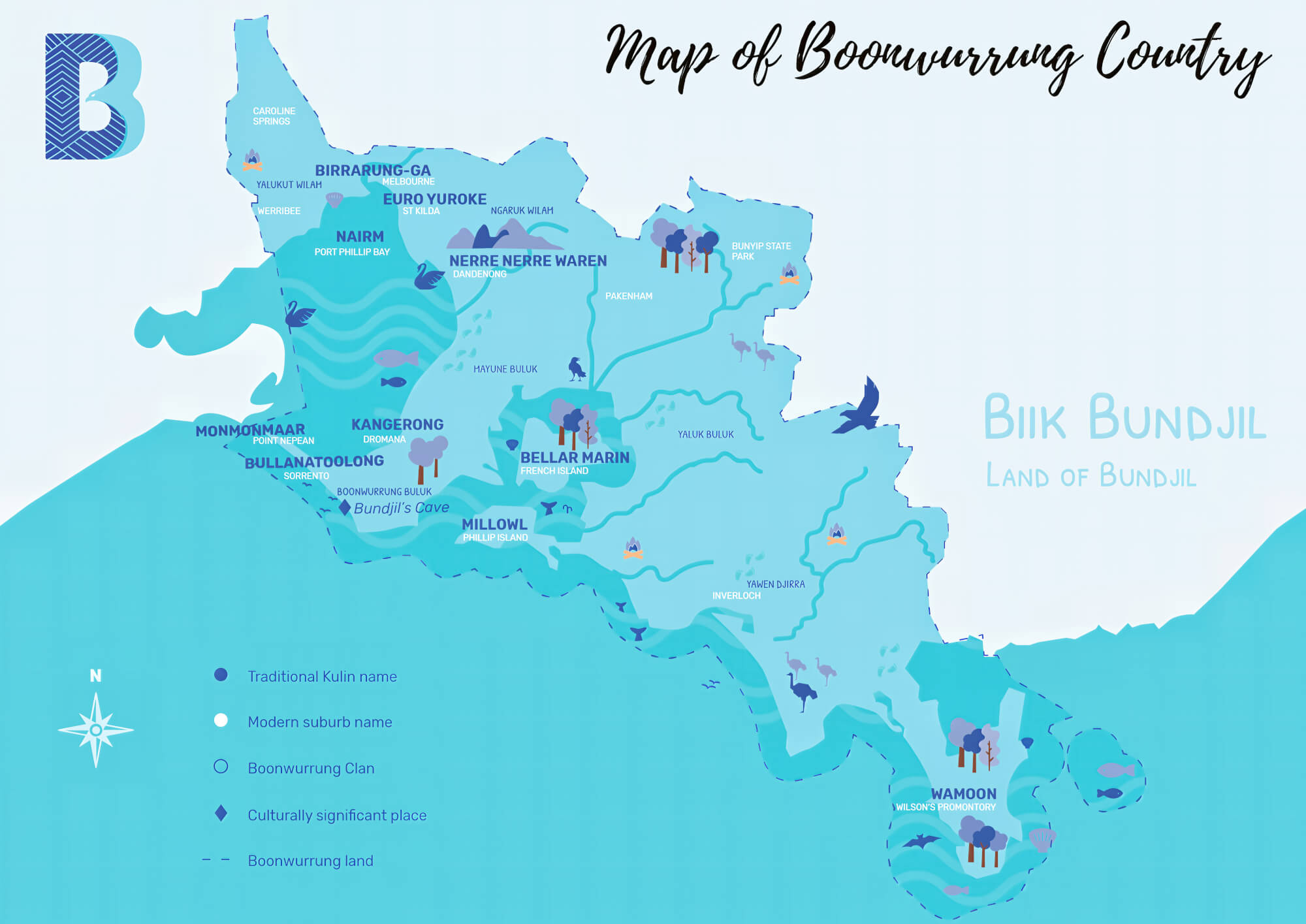
  • Education and organisational systems are shaped by fixed time structures that drive urgency, burnout, and disconnection from place. The challenge was to translate Boonwurrung cultural and ecological knowledge into a format that is both culturally grounded and scalable across diverse institutional contexts.This required balancing cultural authority with practical usability, ensuring the system could integrate within existing operations rather than function as an add-on. The project addresses these constraints by establishing a place-based time system that enables more responsive planning and reconnects people and practice to Country.

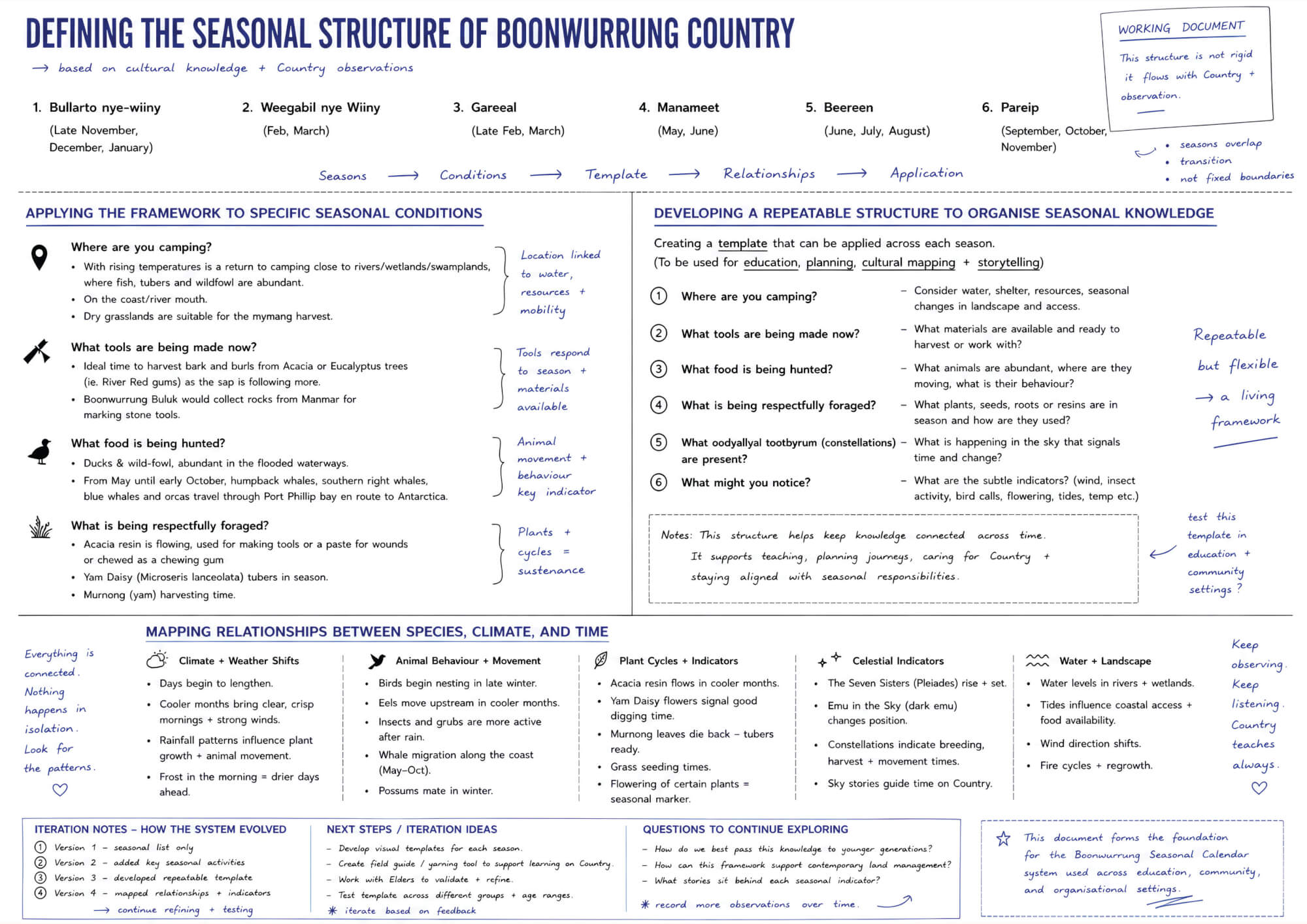
  • The service translates Boonwurrung seasonal knowledge into a structured, place-based system for organising time in education and organisations. It aligns planning, communication, and daily practice with ecological rhythms, shifting environments from urgency to consistent, regulated operation.The framework structures seasonal indicators into a practical model that integrates within existing workflows without requiring additional programs or resourcing. It reshapes how time is organised and experienced across diverse institutional contexts.Developed and refined through real-world application across early learning, schools, and organisations, the model ensures usability while maintaining cultural integrity. The outcome is a scalable system that supports more responsive, place-based environments.

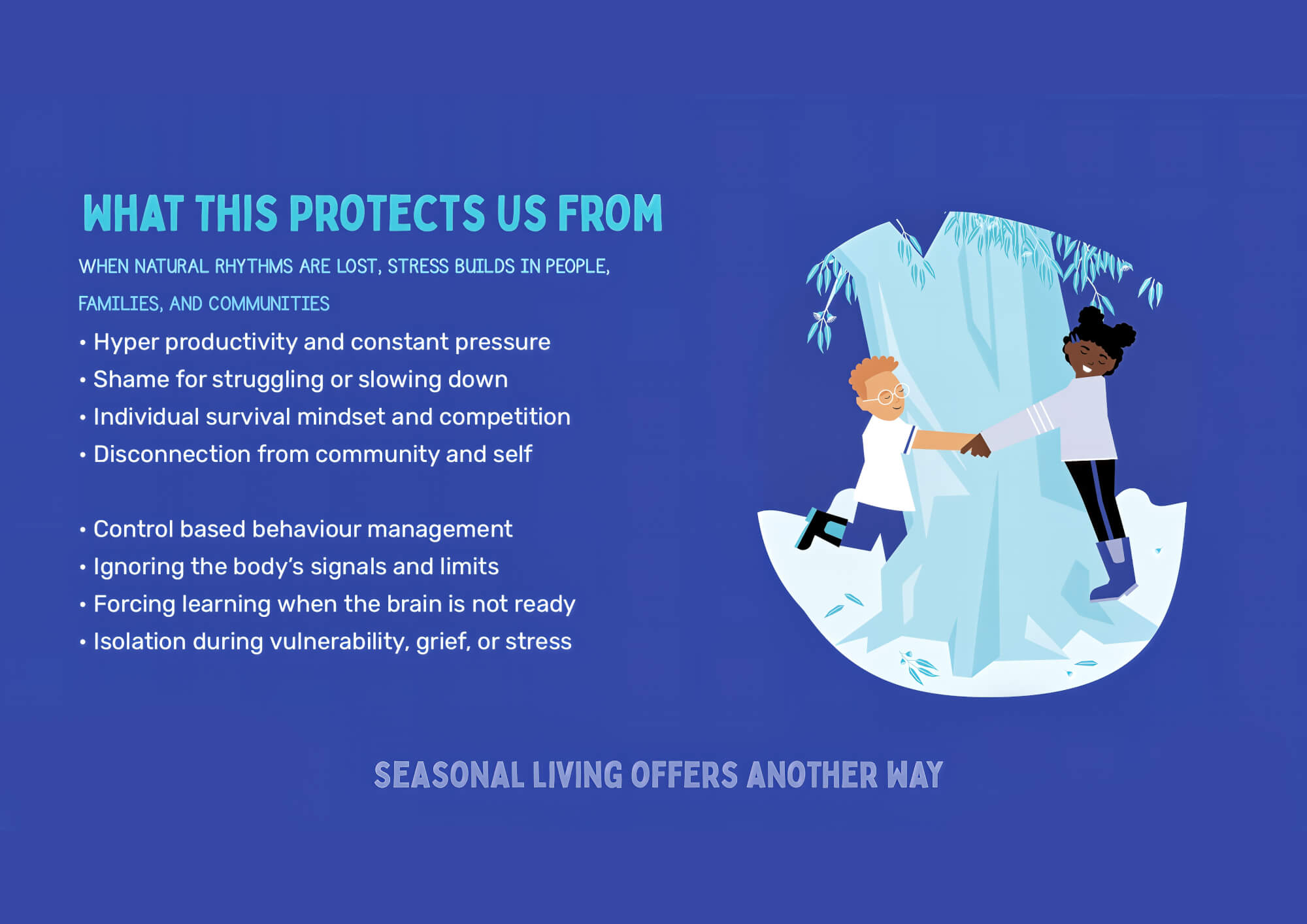
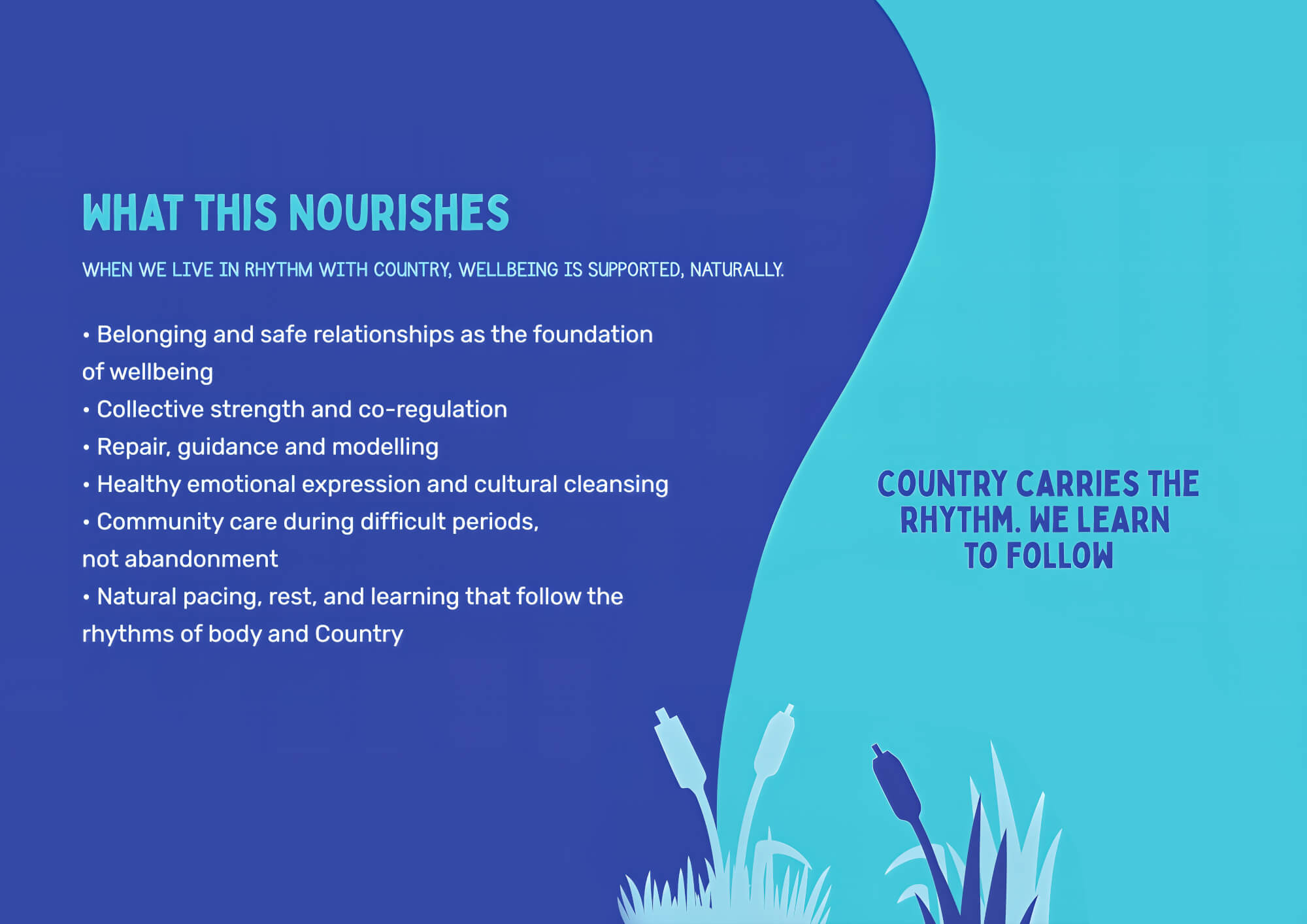
  • The Boonwurrung Relational Seasonal Calendar delivers measurable impact, with adoption across 150+ early learning services, schools, councils, and community organisations as an embedded system shaping planning and decision-making within existing operations.It reduces urgency, improves wellbeing, and creates more consistent, regulated environments, while strengthening connection to place through alignment with local seasonal patterns in plants, animals, and weather. This enables more responsive and efficient planning without adding system complexity.Together, this establishes time as organisational infrastructure, shifting systems from urgency to rhythm and enabling more sustainable, place-responsive, and regulated ways of operating.

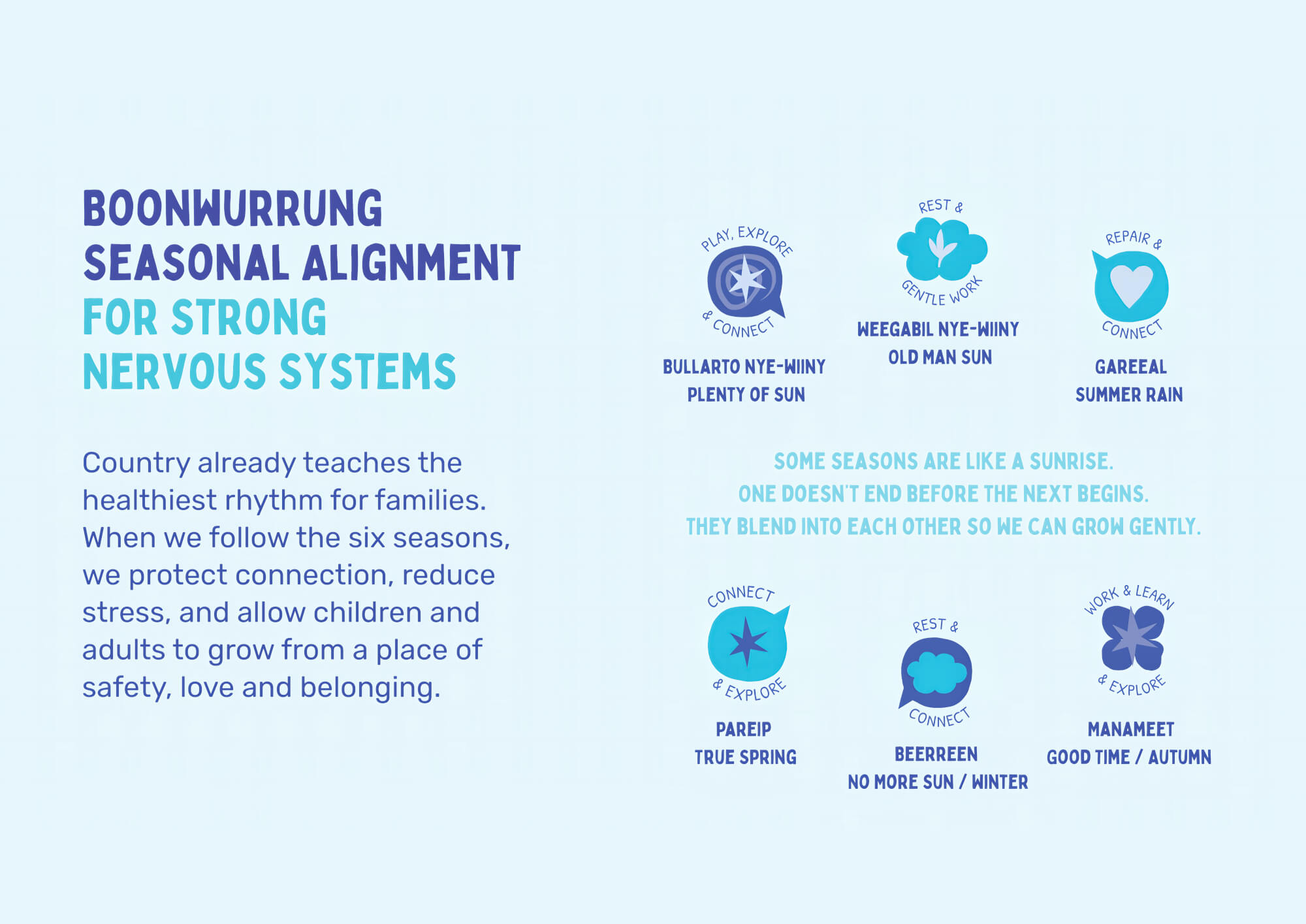
  • The primary innovation is the repositioning of time itself as a design medium. The system is grounded in observable seasonal patterns, structured around six Boonwurrung seasons defined by changes in weather, plants, animals, and human experience rather than fixed dates.A defining feature is its role as an underlying system embedded within existing structures, shaping how teams plan and respond without adding operational complexity. Rather than introducing a new program, it reconfigures how existing systems operate, influencing planning, behaviour, and decision-making.It enables application across education, community, and organisational contexts while remaining grounded in Country, establishing a shared language for seasonal rhythm and timing, including implementation across organisations such as ECMS and City of Casey.The design maintains cultural integrity while supporting everyday use through a clear visual system and practical application. It extends beyond print through QR-linked Boonwurrung storytelling, with recognised impact including a Melbourne Press Club Quill Award (Highly Commended).Its adoption across organisations demonstrates measurable impact, supporting more consistent, regulated, and place-responsive ways of operating.