Groundworks

good-design-award_gold-winner_rgb_blk_logo
  • 2026

  • Built Environment
    Installation Design

Designed By:

Commissioned By:

Bizarro

Mode Festival

Designed In:

Australia

Groundworks is a series of multisensory elemental installations as public artworks by TERRAIN that transform natural raw materials into social and sculptural seating environments, contextually in response to each geographic site where it is situated. This iteration of Groundworks was commissioned by Bizarro for Mode Music Festival on Wareamah/Cockatoo Island.
view website

2.jpg
Dylan Robinson
3.jpg
Dylan Robinson
4.jpg
Dylan Robinson
5.jpg
Jordan K Munns
6.jpg
Jordan K Munns
7.jpg
Dylan Robinson
8.jpeg
Dylan Robinson
9.jpeg
Ruby Boland
  • CHALLENGE
  • SOLUTION
  • IMPACT
  • MORE
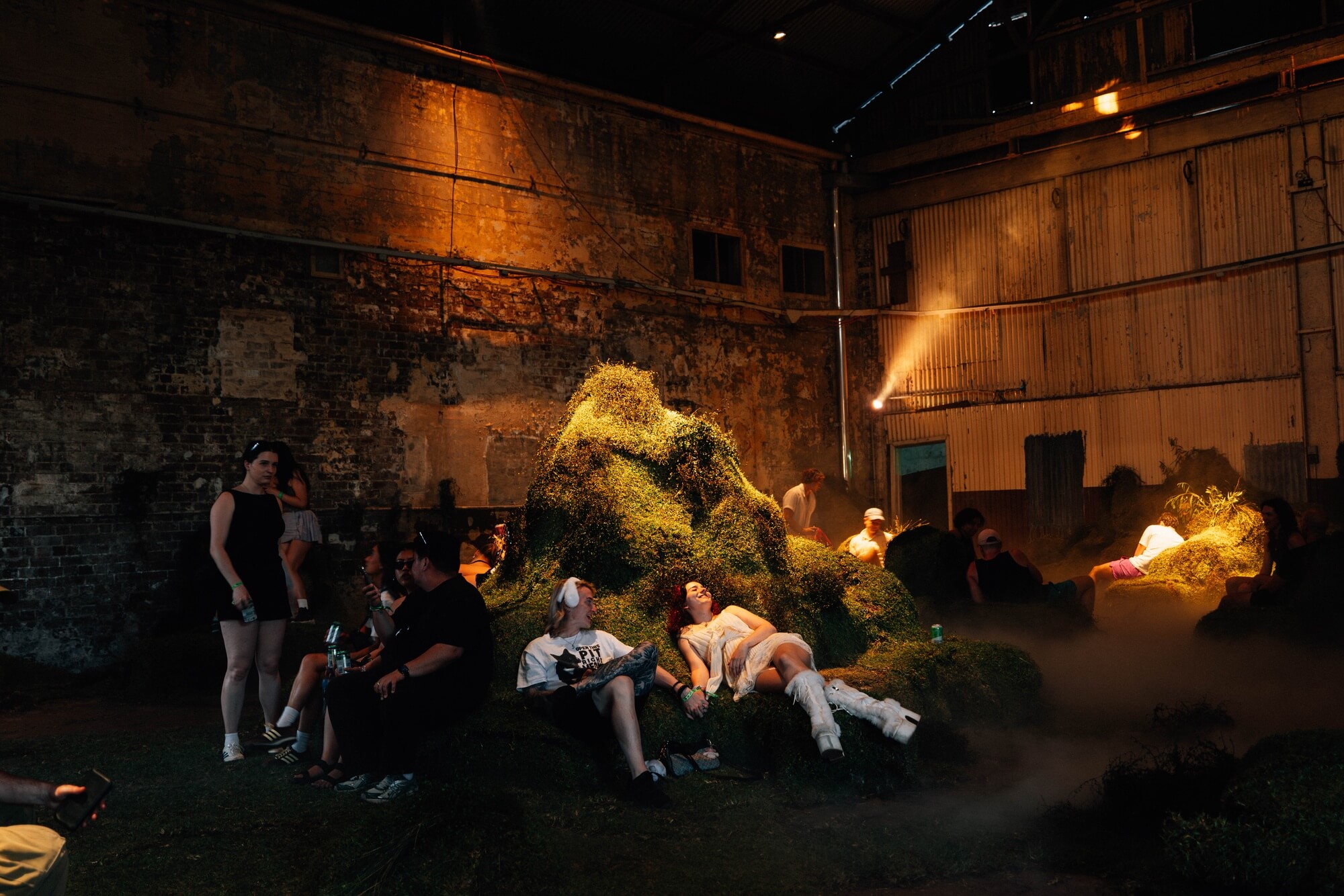
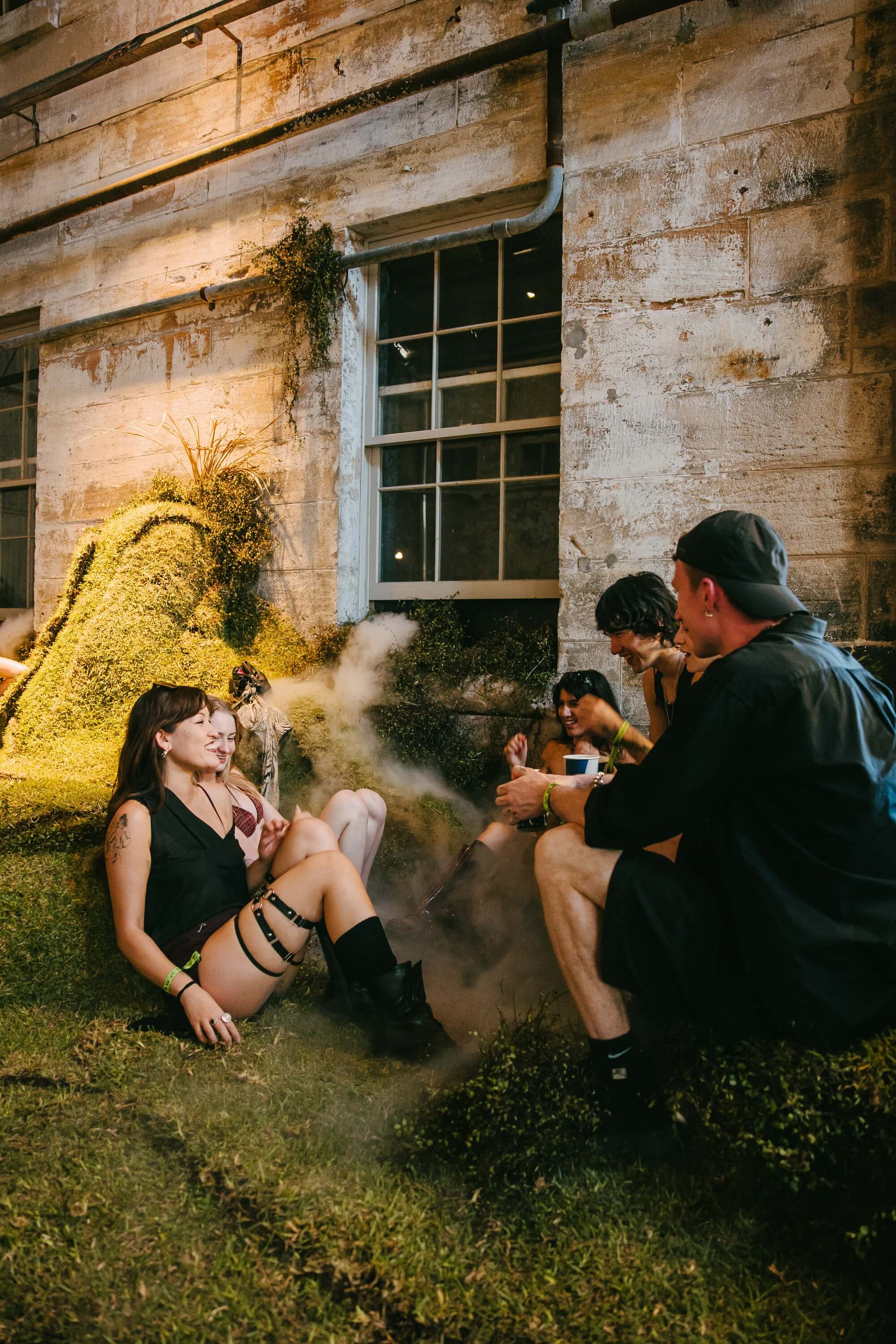
  • Mode’s intention in commissioning TERRAIN’s large-scale installation was to create a space that offers a sensory pause while remaining aesthetically entwined with the broader event. Chill-out zones have long existed at festivals (formally or informally) offering places to rest and reset. As awareness around inclusivity and sensory needs has deepened, these spaces have evolved into designed environments and experiences prioritising care without compromising design. The challenge was to create a site-responsive installation for 10,000 festival patrons within the industrial heritage architecture of Wareamah/Cockatoo Island, while minimising waste and responding to the island’s layered ecological and colonial histories.

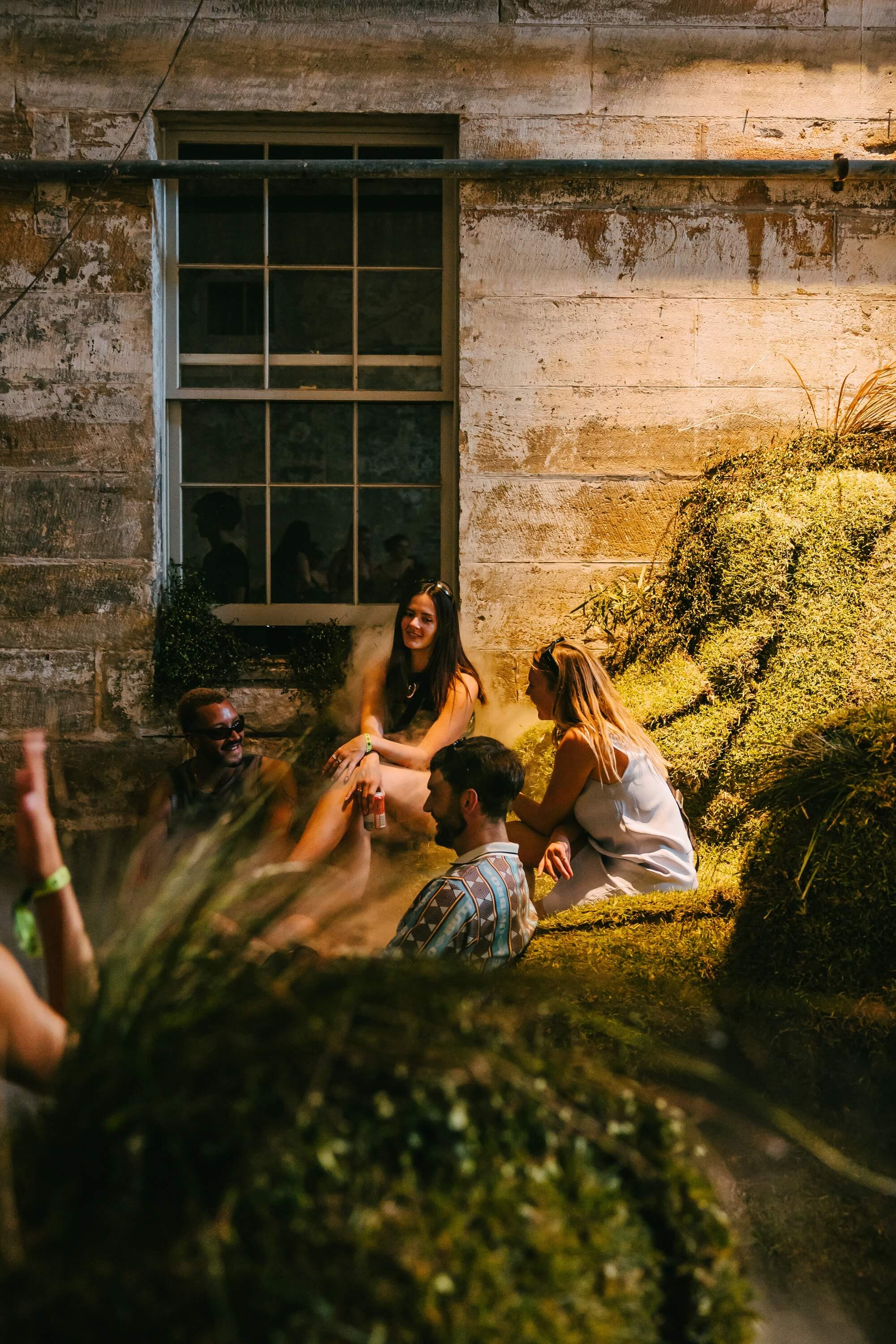
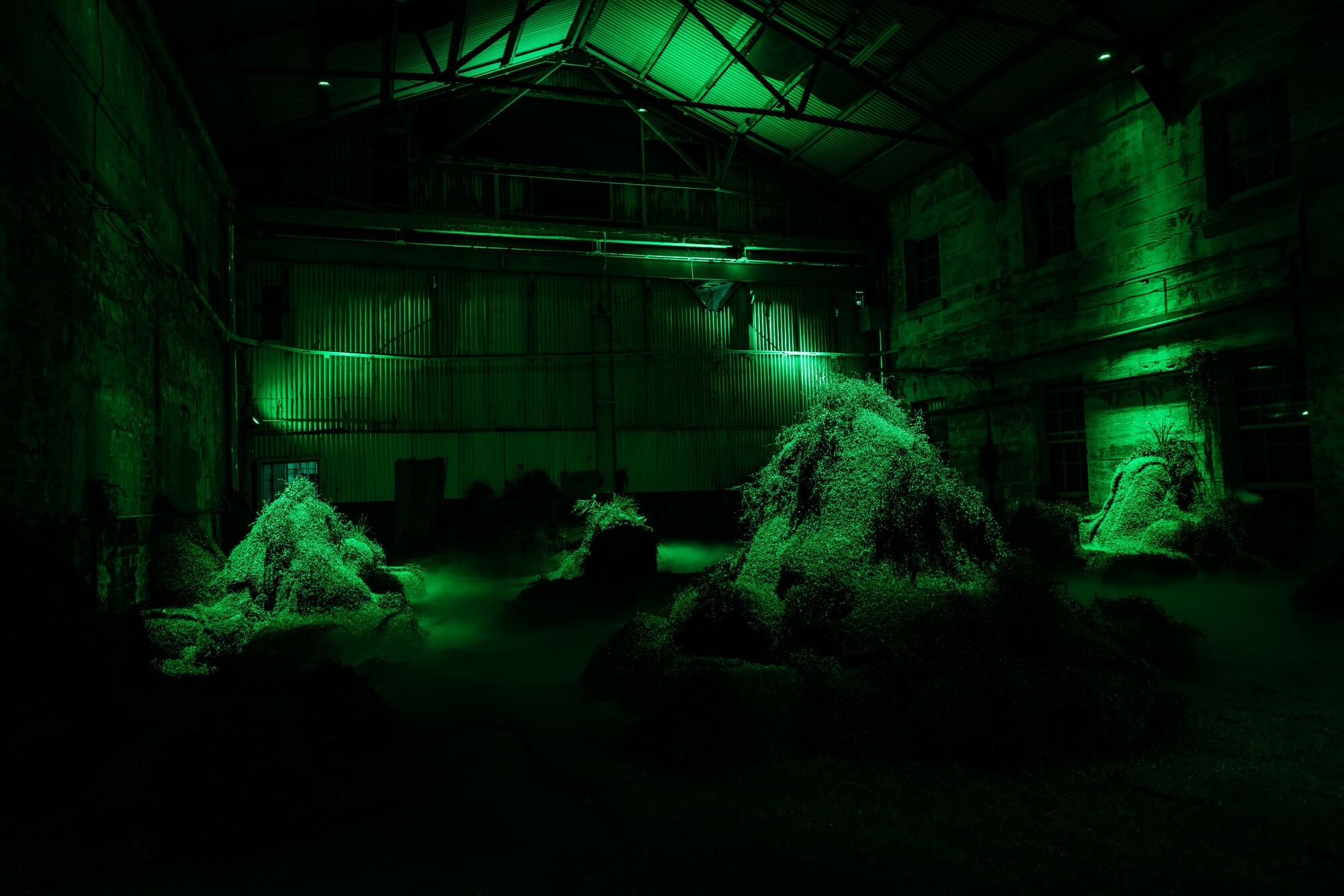
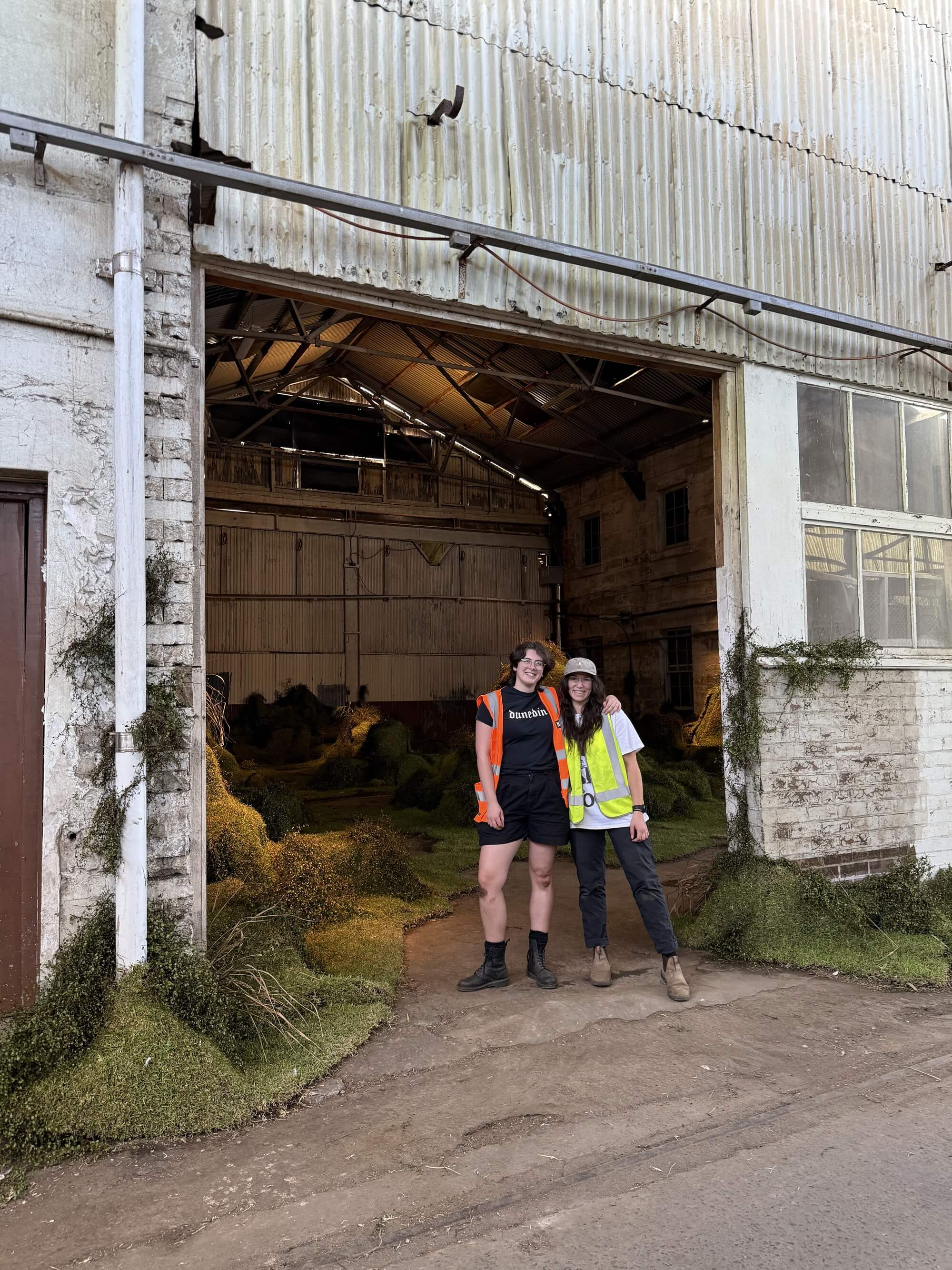
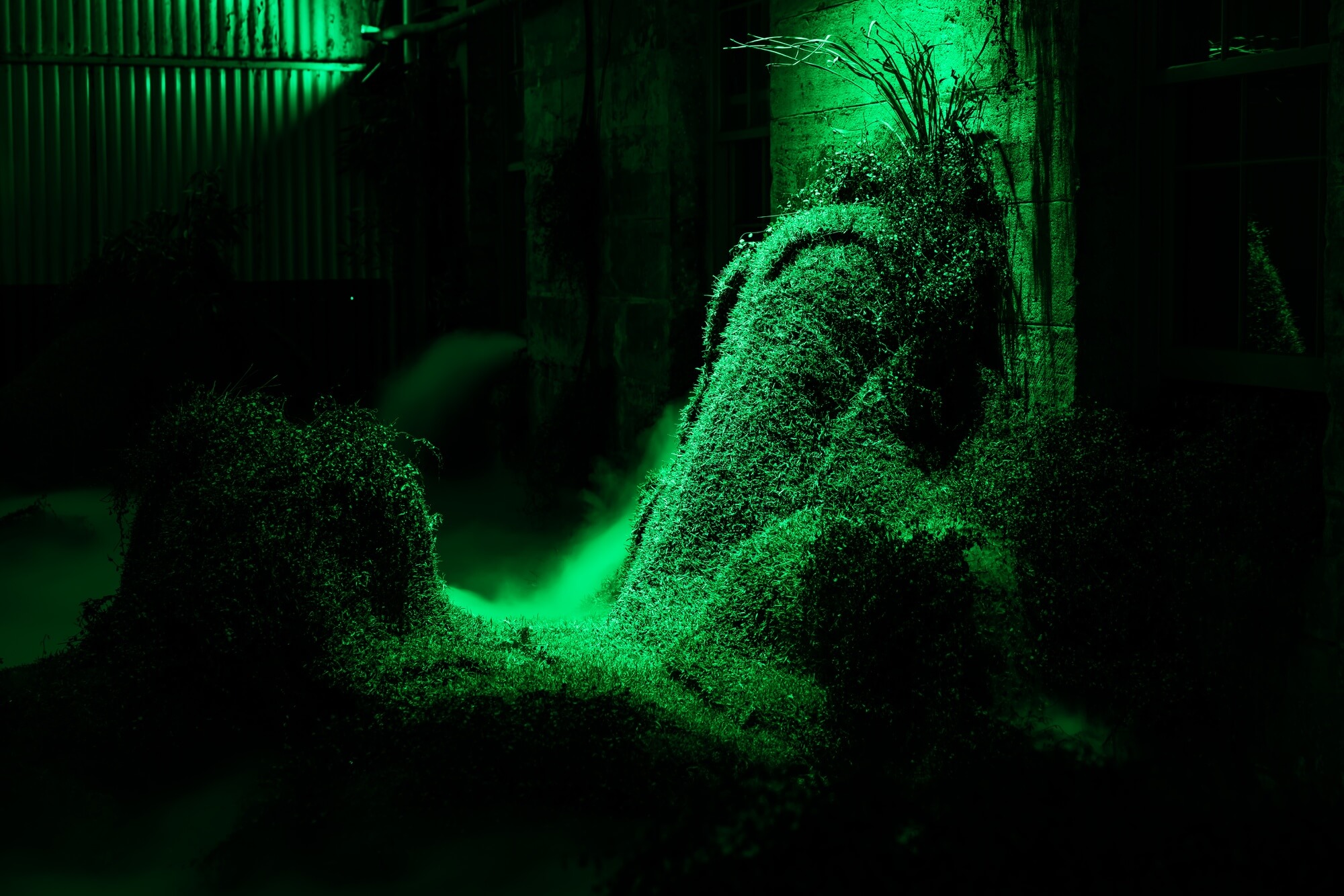
  • For this iteration, the decaying industrial architecture of Wareamah/Cockatoo Island holds living organic grass forms as if the ground has swelled, bubbled, or breathed upward creating space for humans to converse. Snaking paths cocooned by fog weave through dense growth mounds, gesturing towards the pre-European grassy plains woodland that once covered Wareamah before colonisation, and before its transformation into a penal colony and later a shipyard that has occupied the island since 1839. The installation spanned 237m2 and was designed for minimal waste, coordinating grass, hay, and foraged foliage reuse with the Sydney Harbour Trust prior to project commencement.

  • This project marked TERRAIN's largest site specific installation to date, spanning a space of 237m2 to welcome the sold out festivals' 10,000 patrons over one day. The project was designed for minimal waste, generating one garbage bag of landfill end-to-end. Materials of grass, hay and foraged foliage on the island were coordinated with the Harbour Trust prior to commencement of the project to organise reuse of materials for landscaping as part of TERRAIN's commitment to leaving a place better than we found it. The installation reframed art as an immersive ecological and sensory experience centred around care, rest, and reflection.

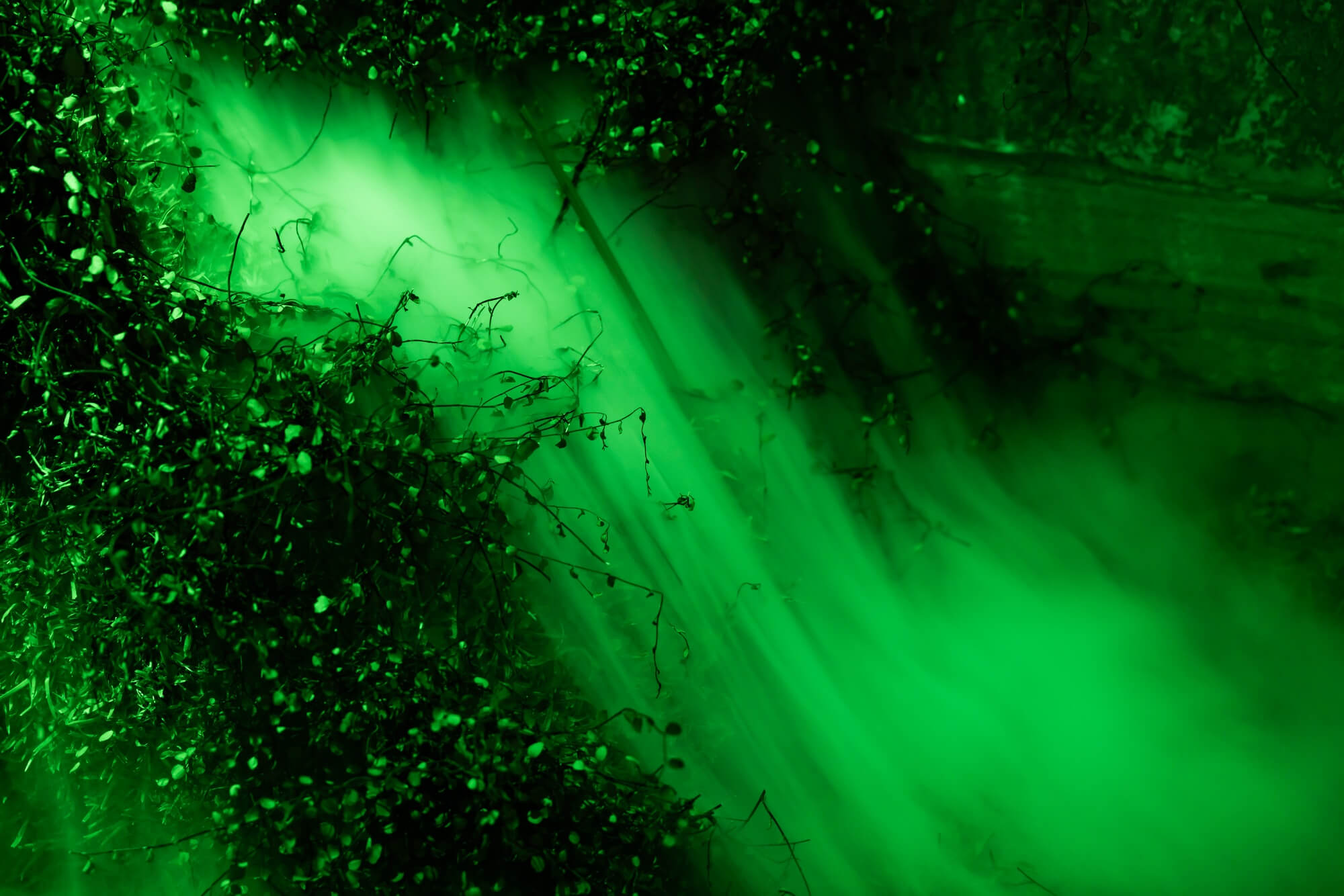
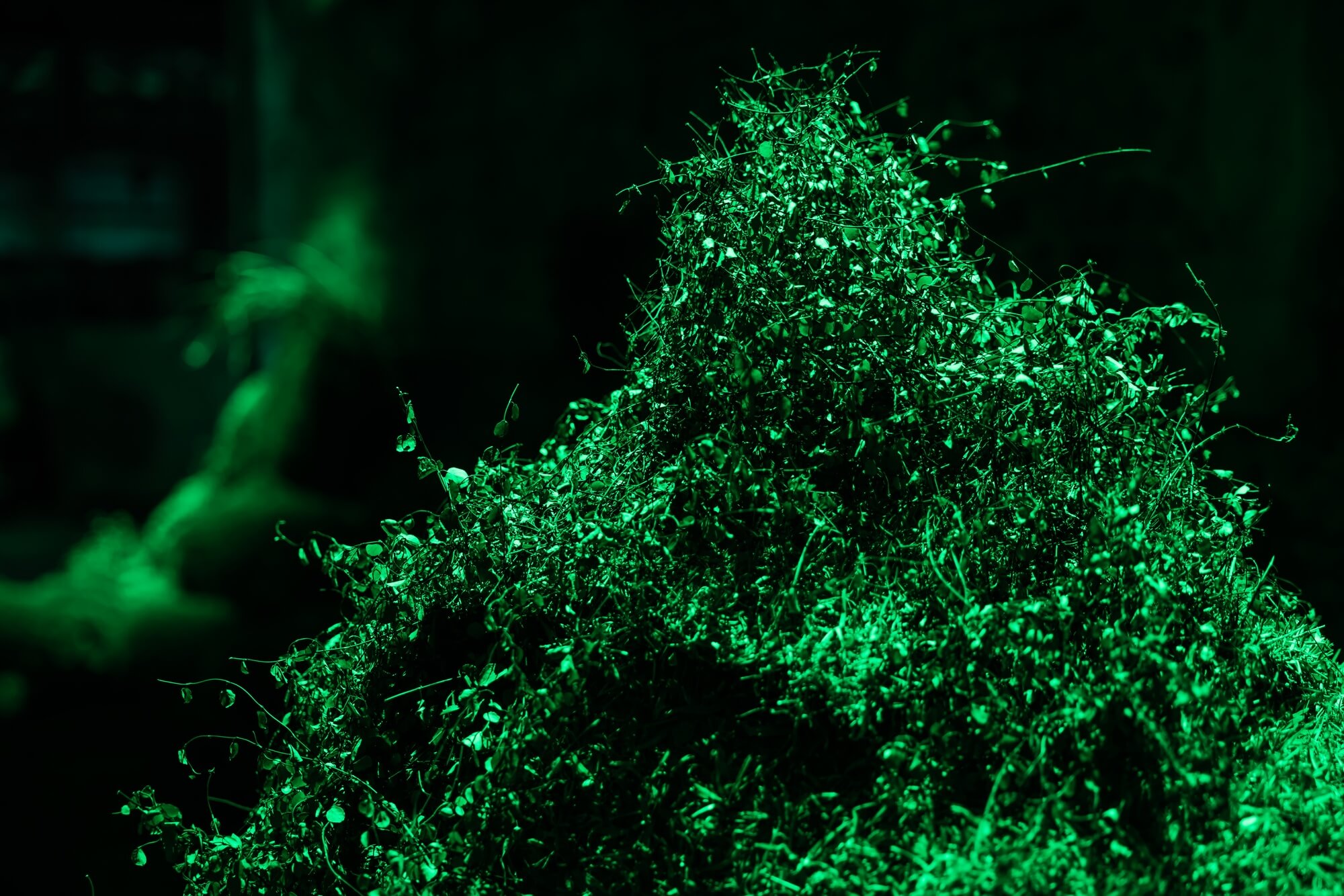
  • In an age of overstimulation, each site-responsive Groundworks zone draws a place for people to gather, rest, slow down, and feel the Earth’s textures and atmospheres as elemental and sensory touchpoints. The series is inspired by earthen and biomaterial construction in architecture as part of our present quest for more sustainable ways of building and suggesting perhaps that we will not always find all the answers in sophisticated building techniques, but rather in what our ancestors have kept doing for centuries as our ancient future technologies: building with the local resources at hand, such as Earth.This iteration of Groundworks stages nature’s quiet reclamation and softened soundscape, blurring the line between ruin and regeneration. We can speculate on how landscapes remember and reassert themselves, thus staging a conversation between histories of extraction and the persistence of ecological cycles and reframing public art not as ‘planted object’ but as land reasserting itself, reclaiming surface and presence.The installation incorporated low-lying foggers (water based), Scnsol industrial scent diffusers with Doterra essential oils, lighting, wayfinding, and tactile natural materials to create a fully immersive sensory environment. The project was realised through collaboration between artists, designers, festival crews, volunteers, site partners, and environmental stakeholders.