Manikuakanishtikᵘ Lookout

good-design-award_winner_rgb_blk_logo
  • 2026

  • Built Environment
    Place Design

Commissioned By:

Hydro-Quebec

Designed In:

Canada

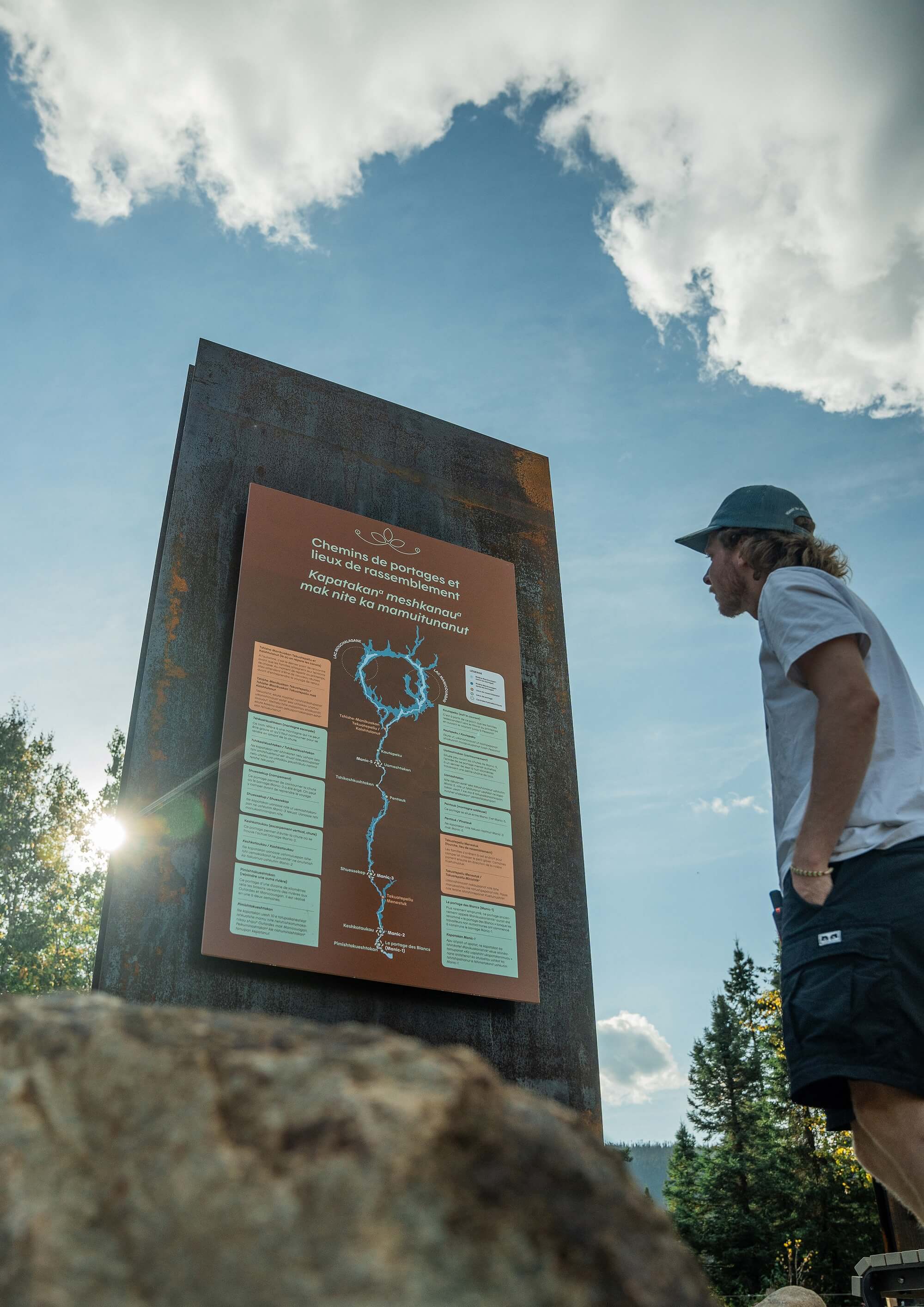
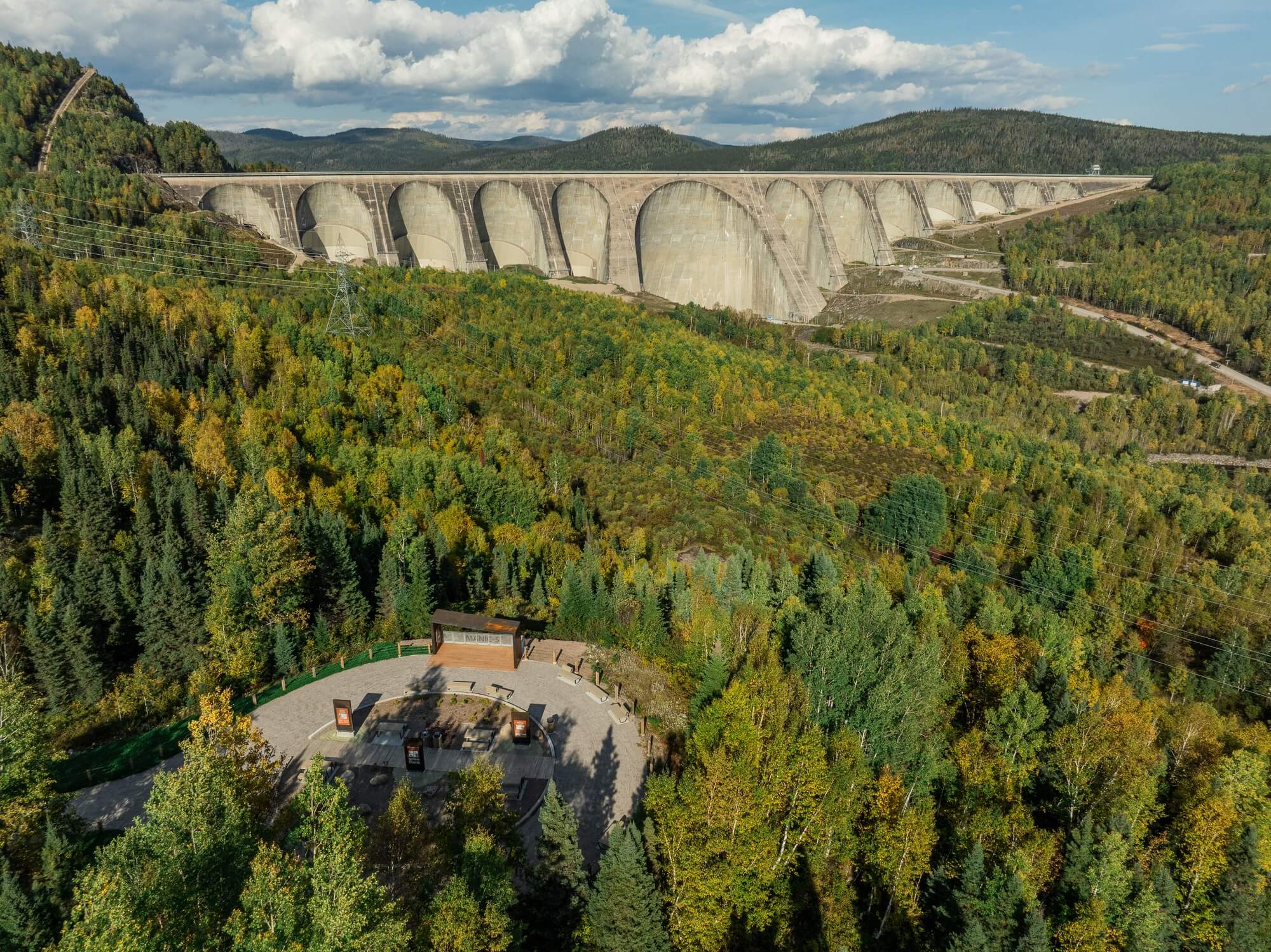
The Manikuakanishtikᵘ Lookout is a permanent outdoor interpretive space, rehabilitating a strategic viewpoint at the monumental Manic-5 hydroelectric dam. Commissioned by Hydro-Quebec, the state-owned company, designed for visitors and local communities, the safe, engaging educational landmark celebrates Quebec’s technological expertise while honoring the ancestral Innu territory it inhabits.
view website

2.jpg
Groupe North Shore
3.jpg
Groupe North Shore
4.jpg
Groupe North Shore
5.jpg
Groupe North Shore
6.jpg
Groupe North Shore
7.jpg
Groupe North Shore
8.jpg
Groupe North Shore
9.jpeg
Studio Overall
  • CHALLENGE
  • SOLUTION
  • IMPACT
  • MORE
  • The world's highest multiple-arch-and-buttress dam, is a 214 meters monument of engineering pride in Quebec, Canada. Yet, its outdated lookout compromised the quality of the visit.Originally designed for vehicular flow, faced environmental pressures from unauthorized camping, and lacking universal accessibility. How to rehabilitate 4,000 sq. ft. into a safe, human-scale destination using design over hostility. The brief required a unified landscape connecting parking to viewpoint, creating a strong signature. Crucially, the intervention had to integrate multilingual interpretation—including Innu—honoring both the dam’s monumental scale and the territory’s ancestral heritage, transforming a roadside stop into a world-class visitor experience.

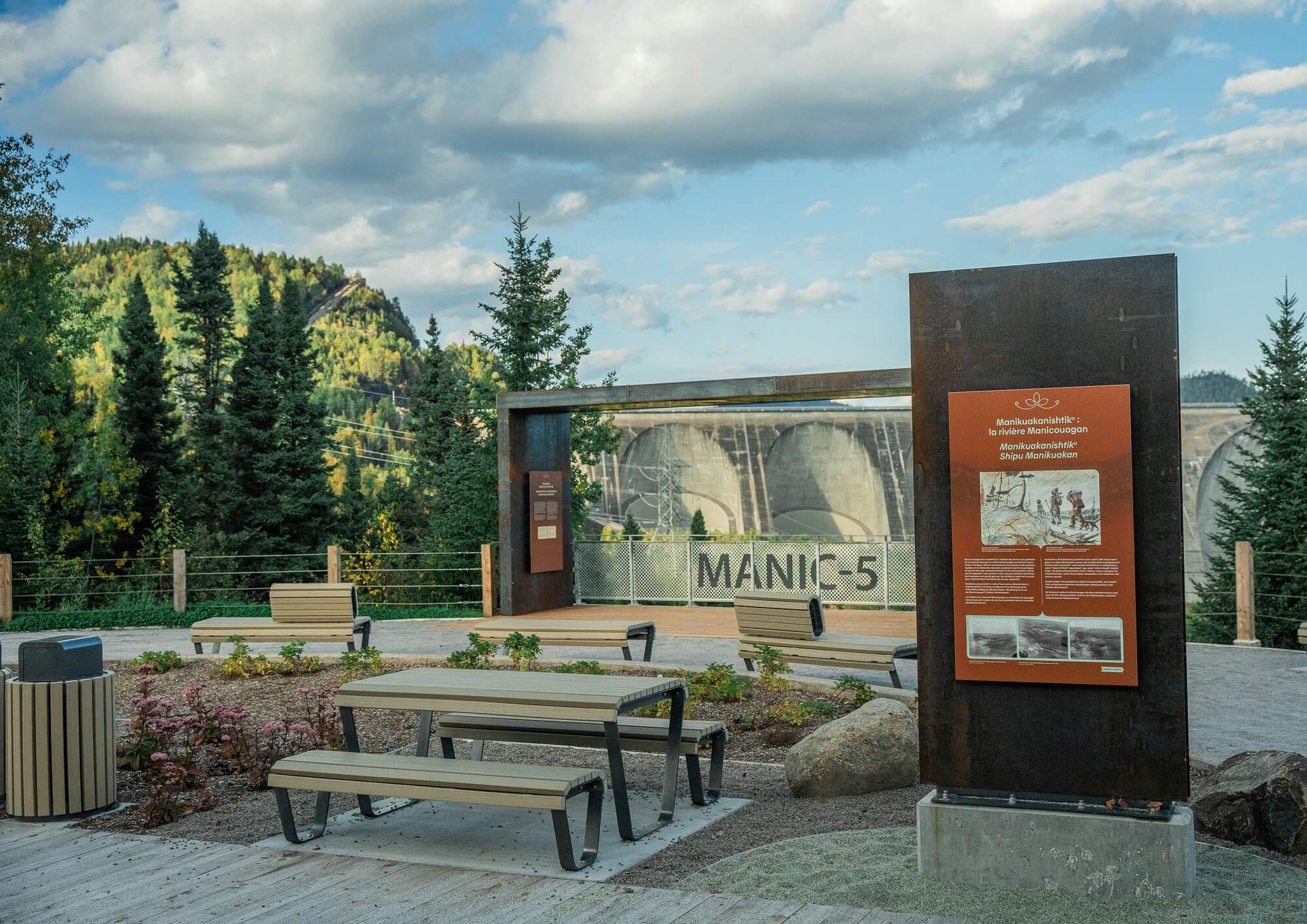
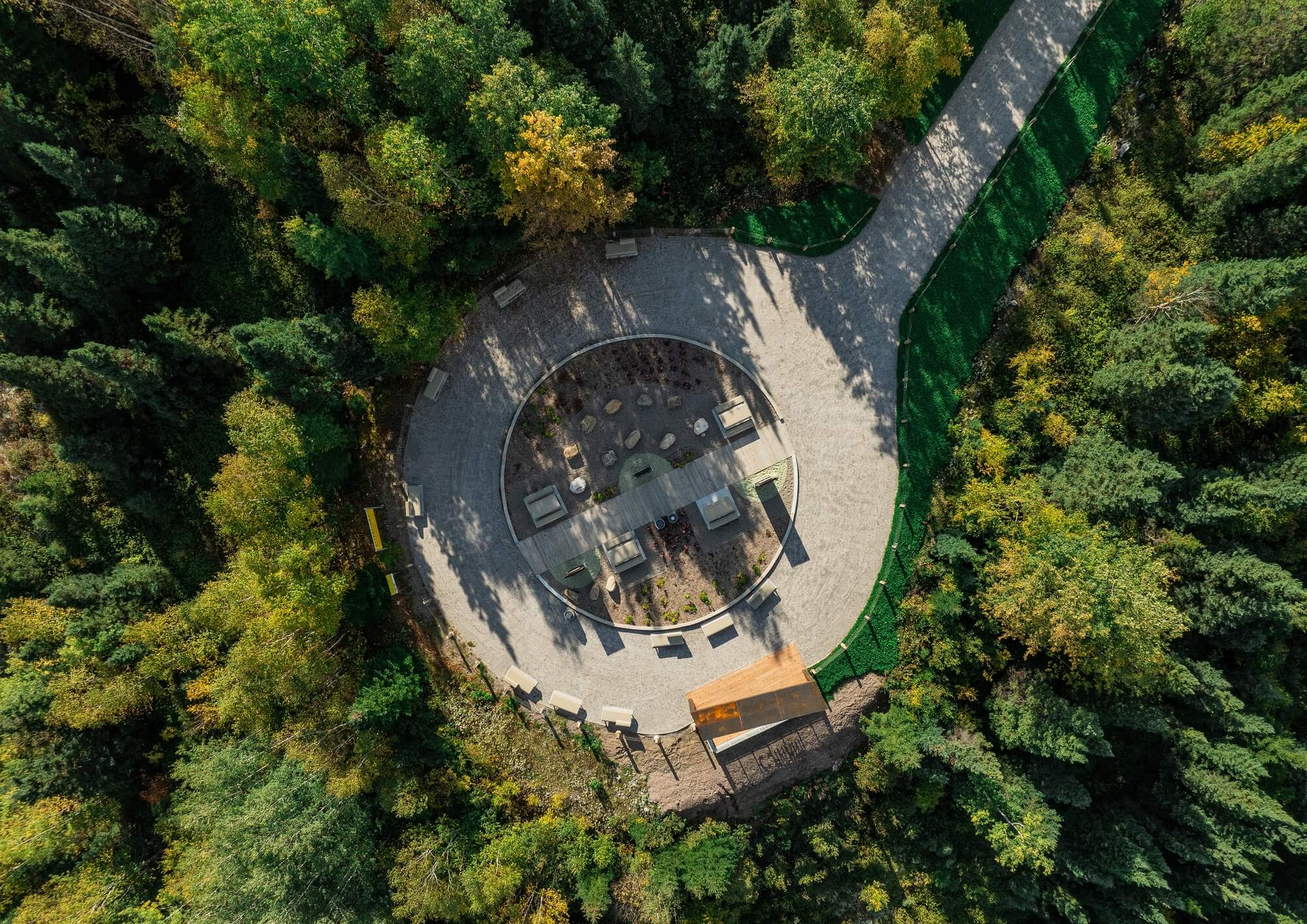
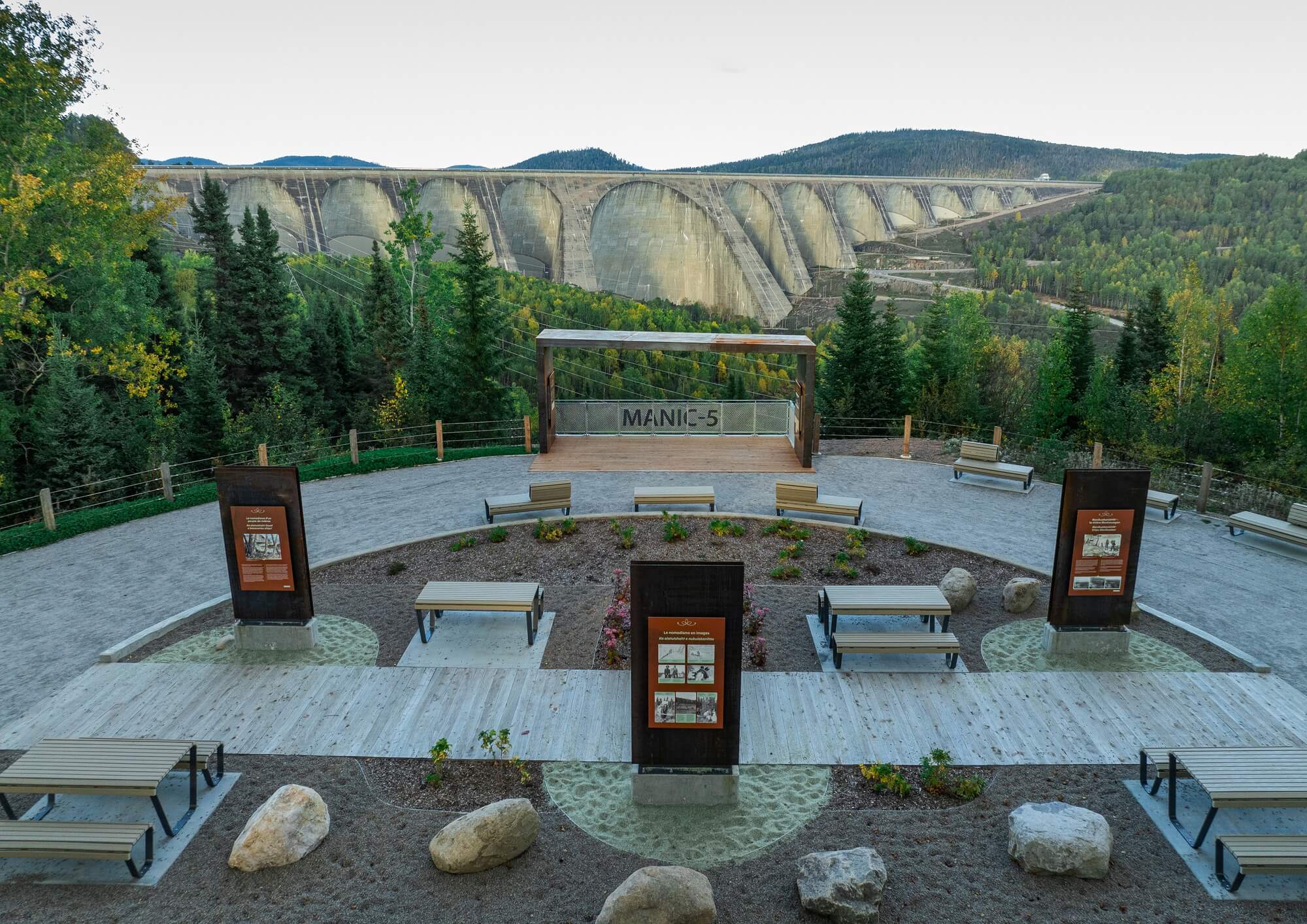
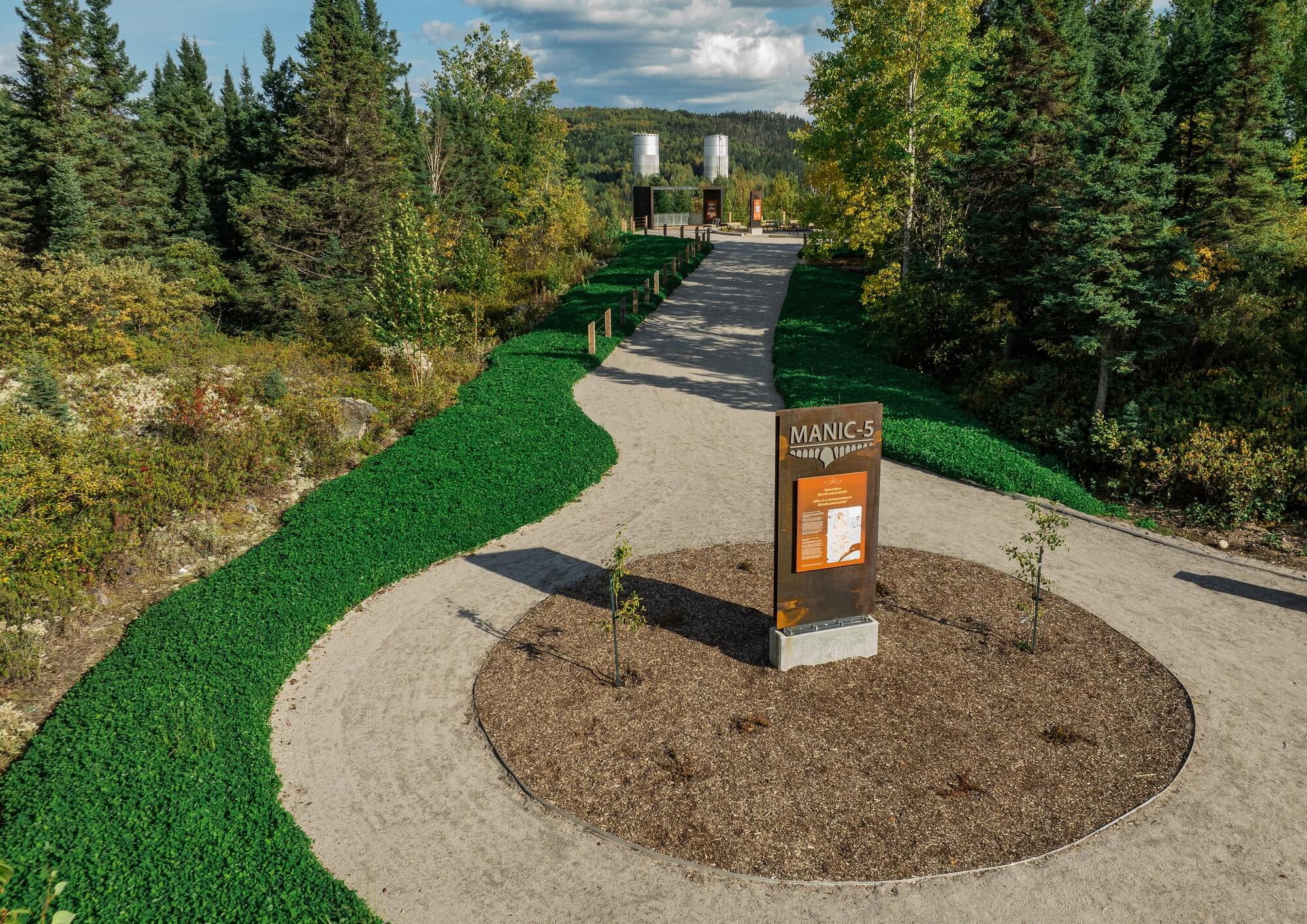
  • The design shifts the site’s DNA from a highway stop to a curated landscape.Through a multistage pedestrian journey, we reclaimed the space for a human scale by replacing invasive weeds with forest mulch, and repurposing high-quality furniture into inviting rest zones. To manage RVs without encouraging camping, the median was reshaped to guide vehicular flow away from pedestrian areas. The experience culminates in a signature architectural frame providing weather protection and iconic "Instagrammable" viewpoint. This sequence seamlessly weaves together engineering feats and Innu history through multilingual interpretation, ensuring the dam remains the hero within a safe, accessible environment.

  • Manikuakanishtikᵘ transforms a monumental industrial landmark into a beacon of intercultural reconciliation. By integrating Innu-aimun equally alongside French, the design fosters profound societal impact, allowing the Pessamit community to symbolically reclaim their ancestral territory. This inclusive approach educates global tourists while restoring local dignity and territorial harmony. Commercially, it elevates Hydro-Québec’s reputation through a high-quality, accessible and inclusive visitor experience. Environmentally, the sensitive, low-impact intervention respects the boreal landscape. Ultimately, the project proves that infrastructure design can bridge technical excellence with social justice, creating a lasting legacy of inclusive, deeply human public space.

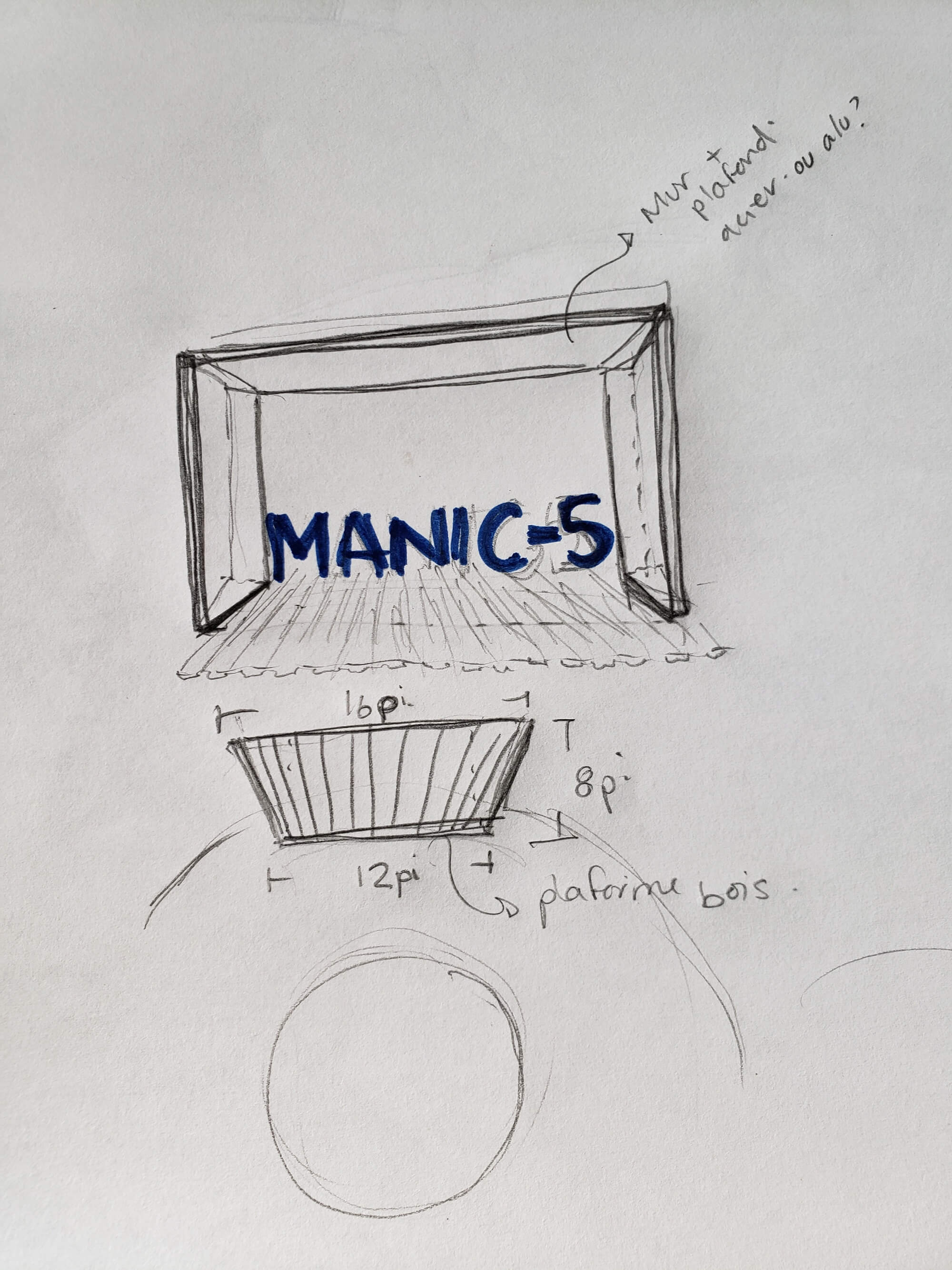
  • The Manikuakanishtikᵘ Lookout replaces a dilapidated, car-centric site with a sophisticated "Architecture of Silence." Designed to endure for the next century, the project utilizes Corten steel for its primary structures. This material was selected for its extreme weather resistance and its ability to develop a living patina that harmonizes with the boreal forest, ensuring a low-maintenance, high-durability legacy.A central feature is the sequential 8-stage narrative path, which transitions visitors from long-haul driving to a contemplative pedestrian pace. This journey culminates in a signature architectural frame—a visual anchor that offers protection from North-Shore weather while perfectly staging the dam’s monumental vaults for the "star" photo moment.Universal accessibility is core to the design, replacing unsightly concrete barriers with inclusive, barrier-free pathways and natural forest mulch surfacing. Finally, the bilingual interpretive program stands as a landmark feature. By placing Innu-aimun on equal footing with French-Canadien language, the project transforms a technical site into a culturally resonant space. This intentional inclusion acknowledges the Pessamit community’s millenary ties to the land, creating a world-class model for respectful, inclusive, and sustainable place-making.