Weaving Light & Culture: An Innovative Color Concept for Kashgar

good-design-award_winner_rgb_blk_logo
  • 2026

  • Concept Design

Commissioned By:

Guo Hongyu

Designed In:

China

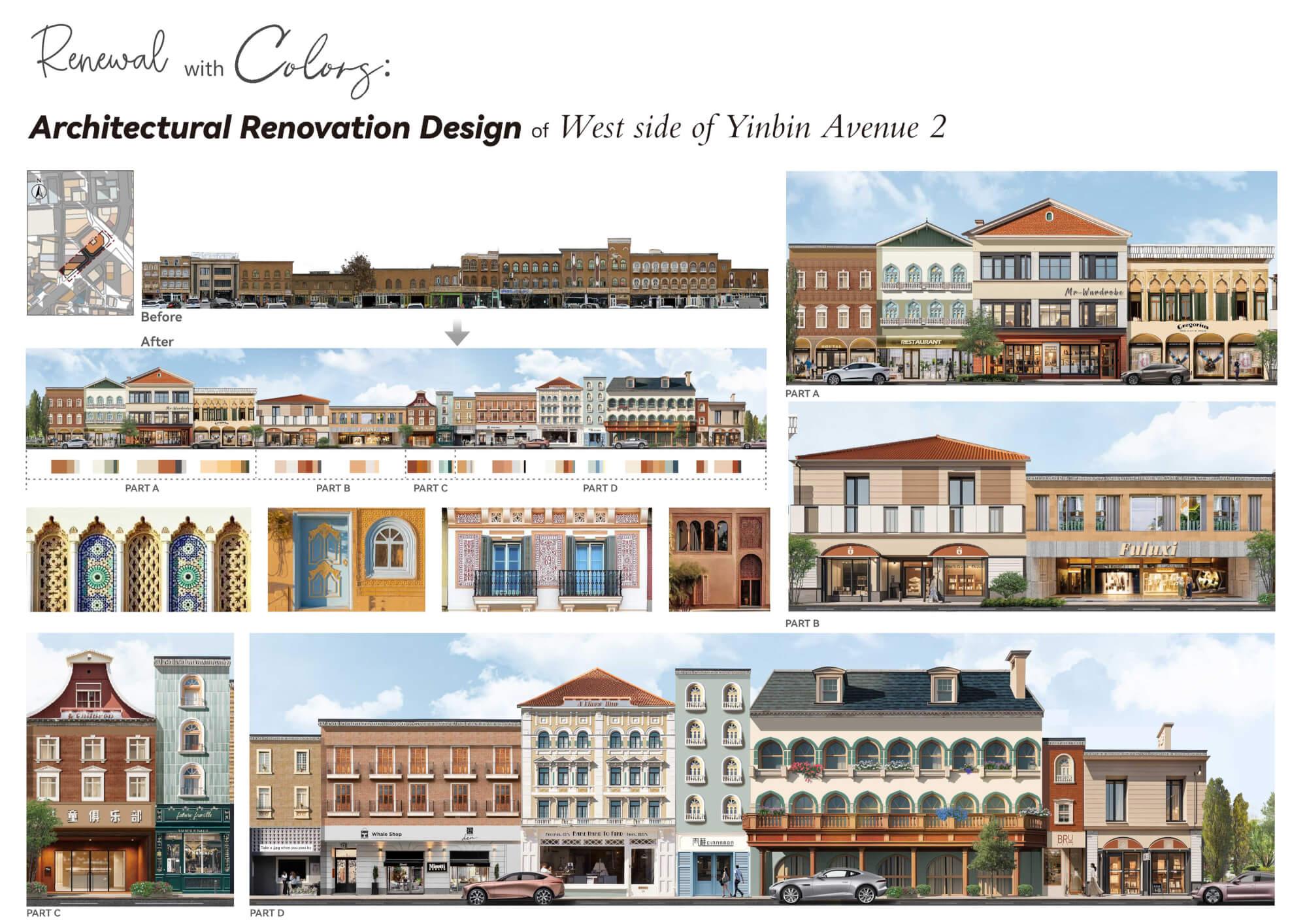
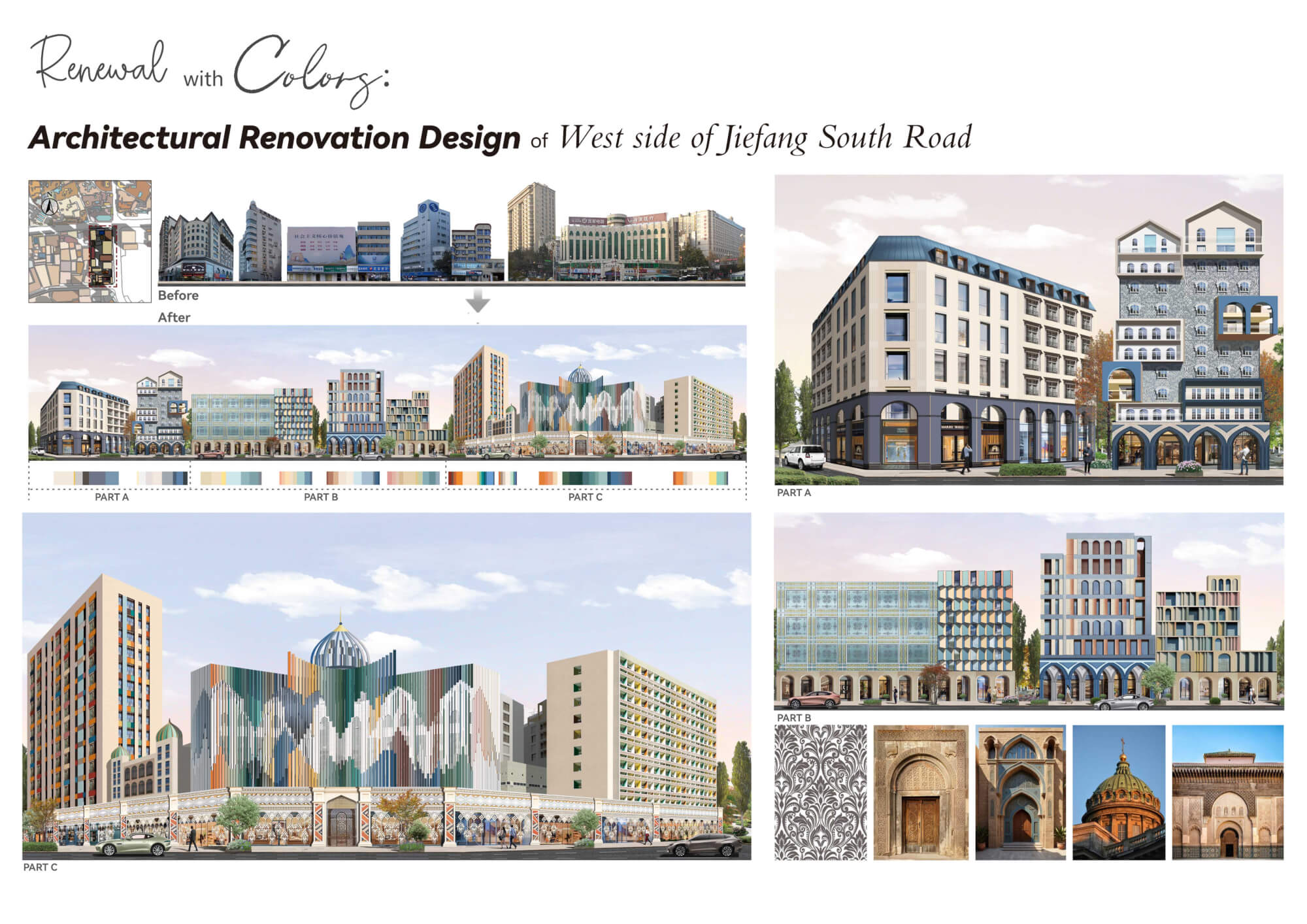
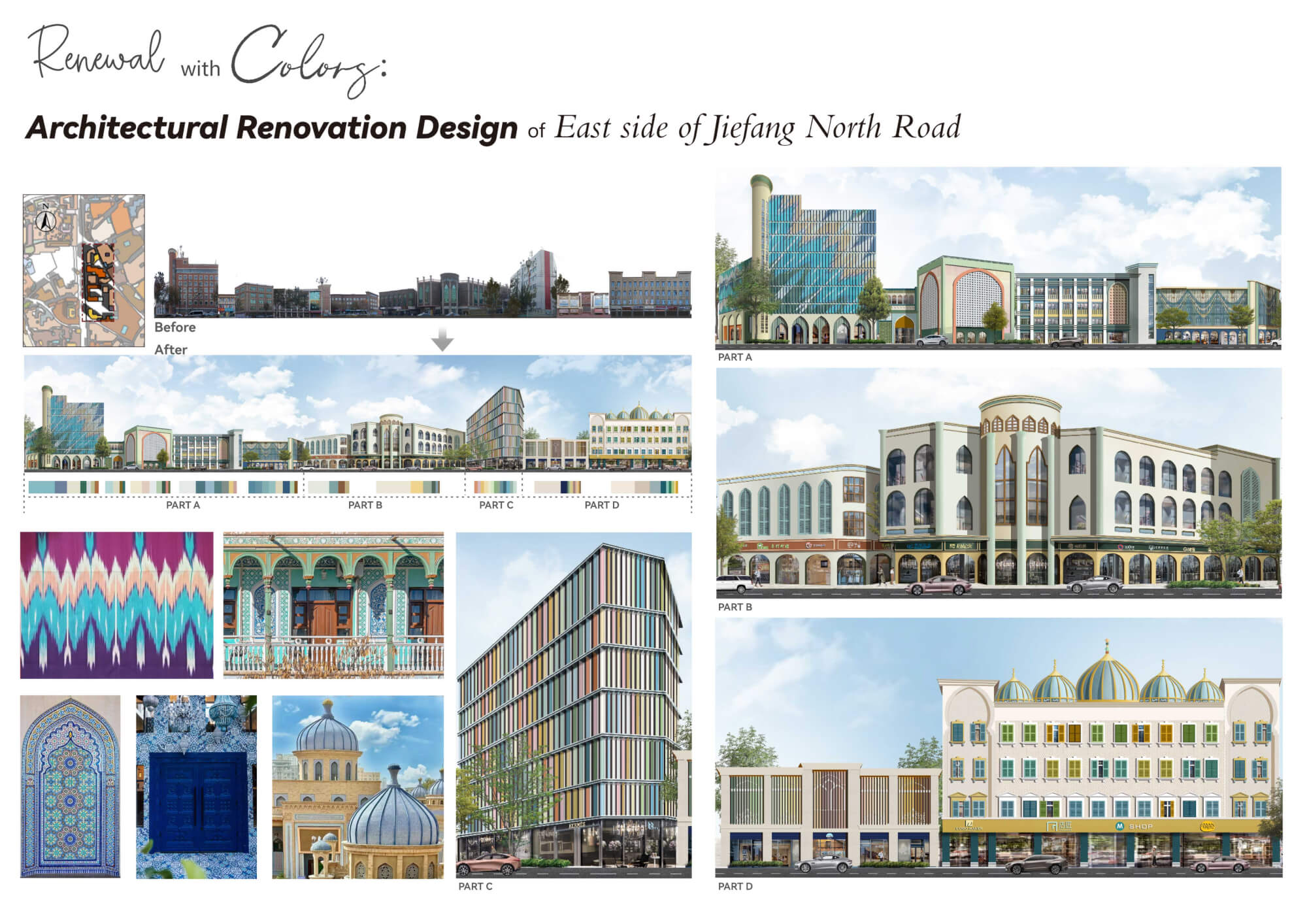
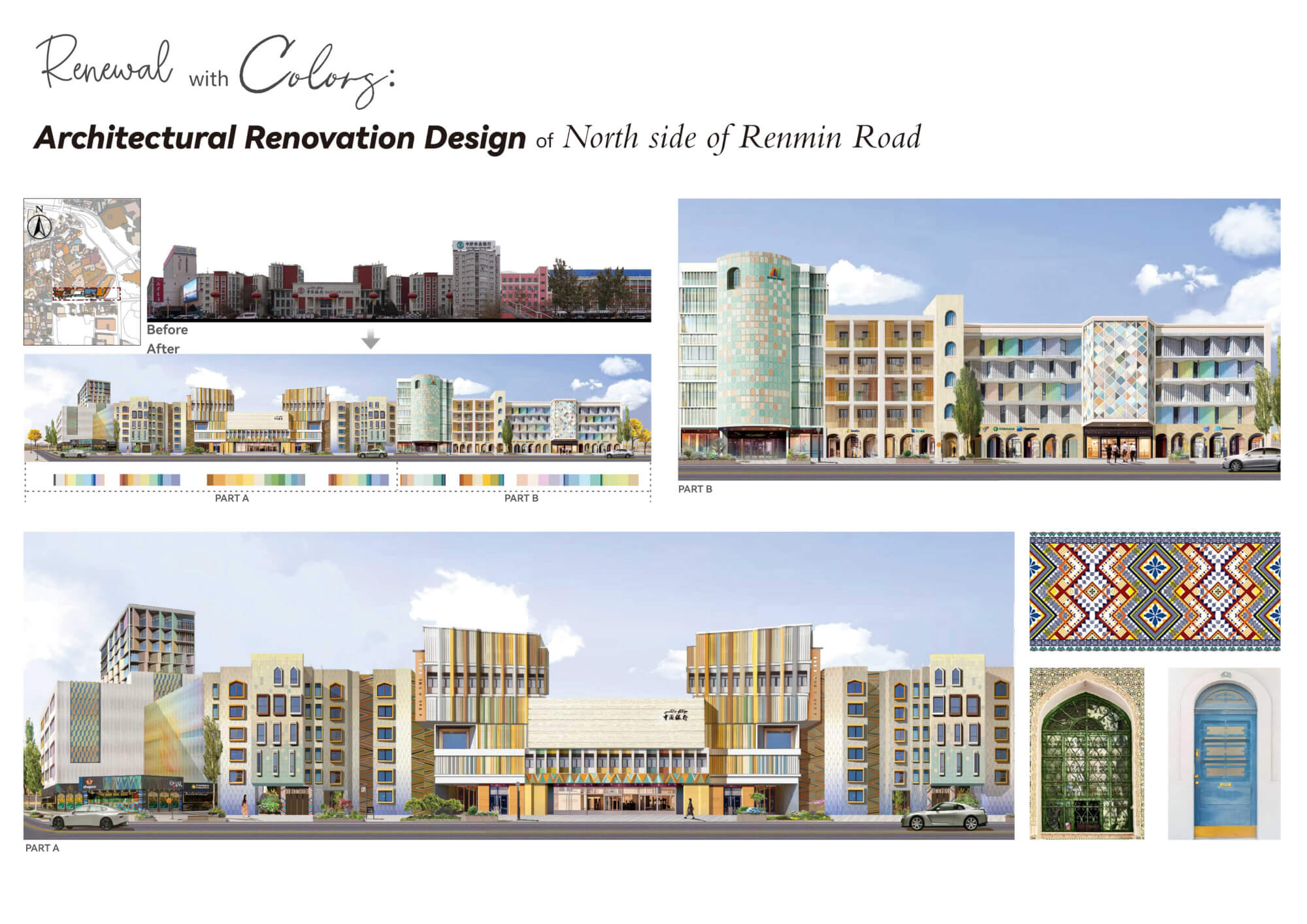
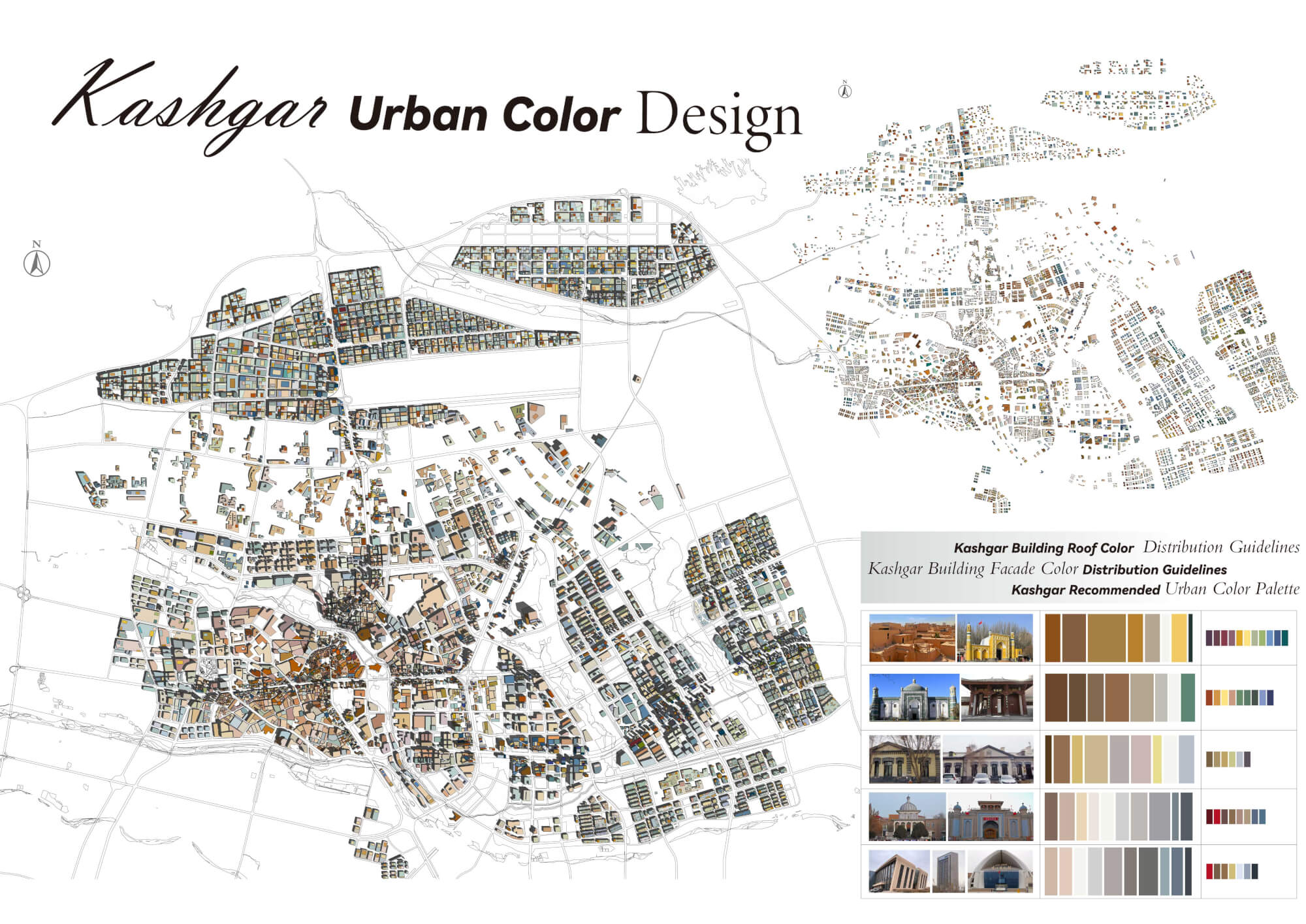
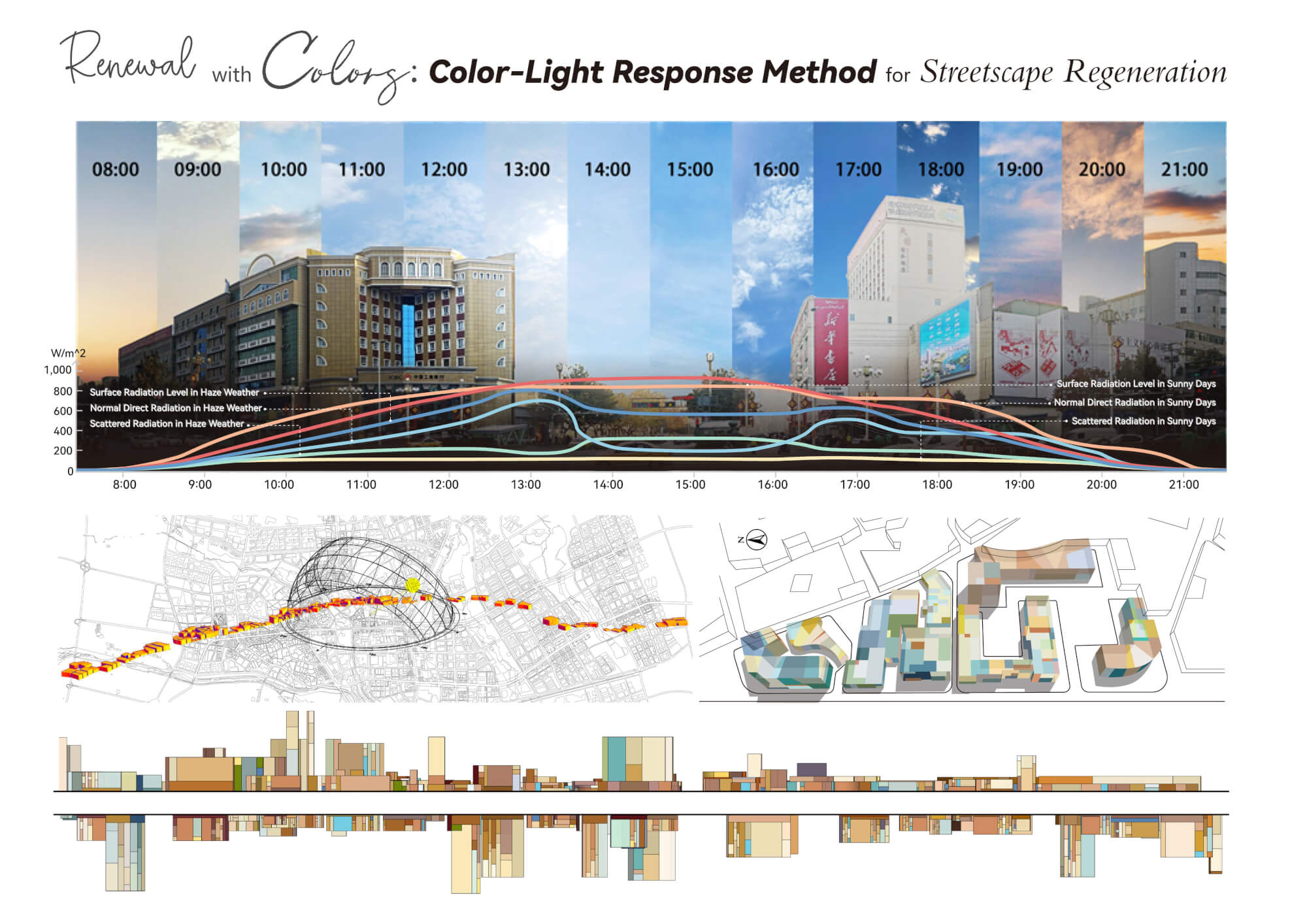
For Kashgar, a living Silk Road heritage city, this project establishes a citywide chromatic identity with distinct palettes for ancient, old and new districts—from deep sunset to bright sunrise. Five streets serve as prototypes, where four local color genes adapt to the arid climate through a pioneering “Sunlight-Color Response” methodology.
2.jpg
Guo Hongyu
3.jpg
Guo Hongyu
4.jpg
Guo Hongyu
5.jpg
Guo Hongyu
6.jpg
Guo Hongyu
7.jpg
Guo Hongyu
8.jpg
Guo Hongyu
  • CHALLENGE
  • SOLUTION
  • IMPACT
  • MORE
  • Kashgar, a historic Silk Road city in arid Central Asia, faced two critical challenges for its urban color design: extreme climate with intense sunlight degrading building surfaces and outdoor comfort; and erosion of its unique Uyghur cultural identity under rapid, homogenized urban development. The local government commissioned a citywide color system addressing both pressures. The challenge required moving beyond decorative color application to create a scientifically-grounded methodology that actively improves thermal performance while authentically expressing centuries-old ethnic design wisdom through contemporary architectural language across ancient, old and new districts.

  • The design team developed a "culturally-ecological color system" rooted in four local color genes—Populus Gold, Terracotta Red, Glacier Green, Sky Blue—decoded from Uyghur architecture, Atlas silk, earthen traditions and landscape. An innovative "Sunlight-Color Response Curve" was created to quantify the relationship between solar exposure and color reflectance. This scientific tool guides differentiated strategies: high-reflectance cool tones on sun-intensive east-west facades with integrated shading; low-reflectance warm tones on north-south facades to enhance winter thermal comfort. The solution transforms color into an active architectural agent that simultaneously performs cultural expression, microclimate regulation and commercial activation across five historic streets.

  • Environmental impact: The color strategy reduces building surface temperatures by up to 2-3°C, directly lowering cooling energy demand while improving outdoor thermal comfort. Societal impact: By translating intangible Uyghur heritage into a visible, contemporary color language, the project strengthens cultural identity and fosters community pride among residents. Commercial impact: Enhanced thermal comfort and distinct visual identity extend visitor dwell time and activate street-level commercial vitality. As a replicable model for arid-region historic cities, the concept demonstrates how culturally-ecological design can simultaneously address heritage preservation, climate adaptation and sustainable urban development.

  • Cultural-Ecological Color Genes: Four core colors—Populus Gold, Terracotta Red, Glacier Green, Sky Blue—systematically decoded from Uyghur architecture, Atlas silk, earthen construction traditions and natural landscapes, forming a low-reflectance matte palette optimized for arid climates.Sunlight-Color Response Curve: An innovative scientific tool that quantifies the relationship between solar exposure and color reflectance, enabling evidence-based color selection that actively improves building thermal performance.Isomorphic Design of Culture and Climate: A pioneering methodology that achieves simultaneous cultural expression and climate adaptation, treating color as an active architectural agent rather than superficial decoration.Differentiated Orientation Strategies: High-reflectance cool tones on east-west facades with integrated shading devices to reduce solar gain; low-reflectance warm tones on north-south facades to enhance winter thermal comfort and commercial activation.Living Heritage Translation: A systematic framework for translating intangible cultural heritage into a contemporary, scalable design language, revitalizing millennium-old ethnic color wisdom for modern application.Replicable Urban Model: A transferable design paradigm for historic cities in arid regions, demonstrating how culturally-ecological color systems can address heritage preservation, climate adaptation and sustainable development simultaneously.