The Digital Crew

good-design-award_gold-winner_rgb_blk_logo

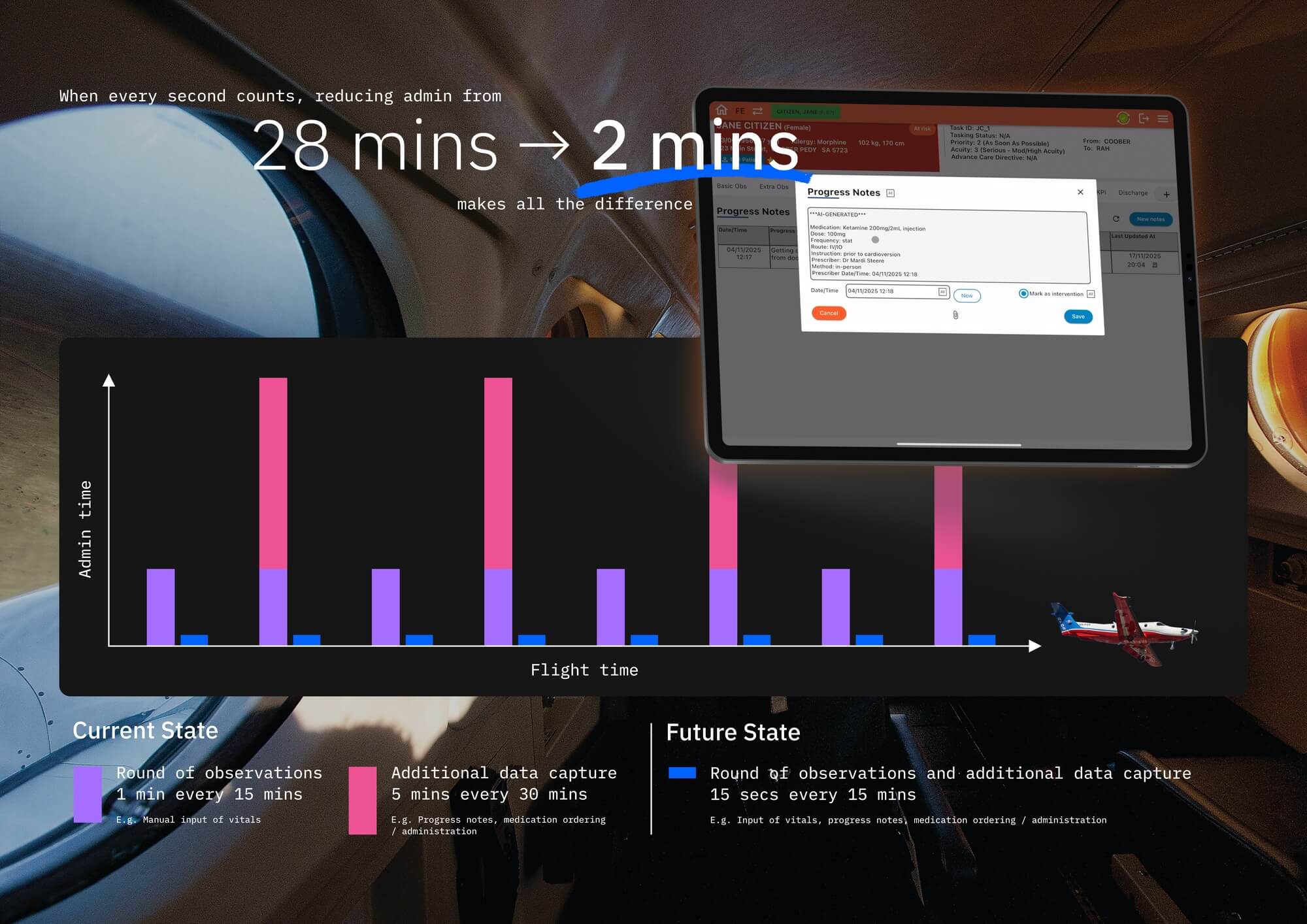
The Digital Crew is an integrated AI platform designed for aeromedical flight clinicians to reduce manual documentation, allowing them to focus on patient care without disrupting existing workflows. Built on IBM’s watsonx platform, the solution reduced admin from 28 minutes to 2 minutes for every two hours of flight time.
view website

2.jpg
3.jpg
4.jpg
5.jpg
6.jpg
7.jpg
8.jpg
9.jpg
  • CHALLENGE
  • SOLUTION
  • IMPACT
  • MORE
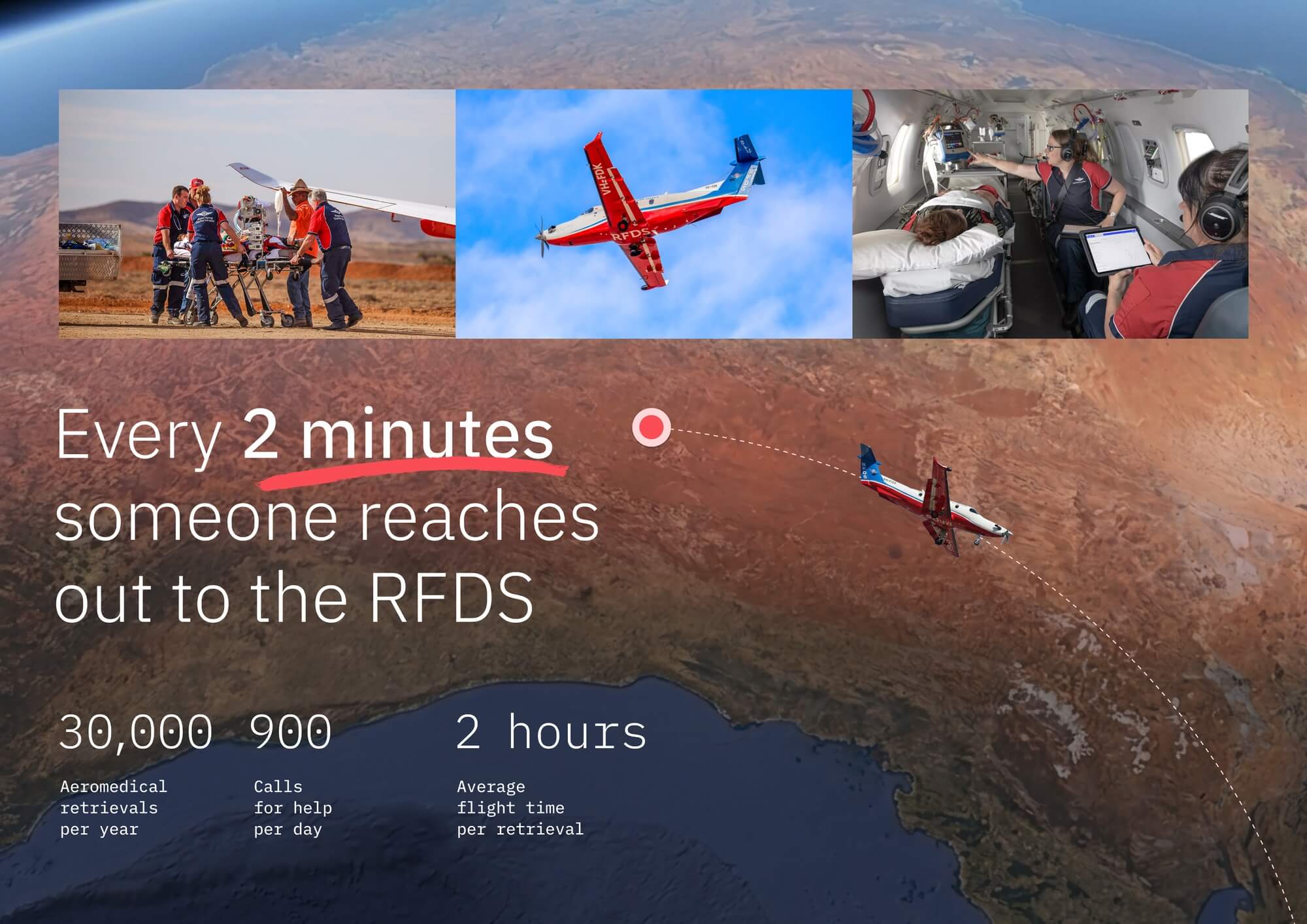
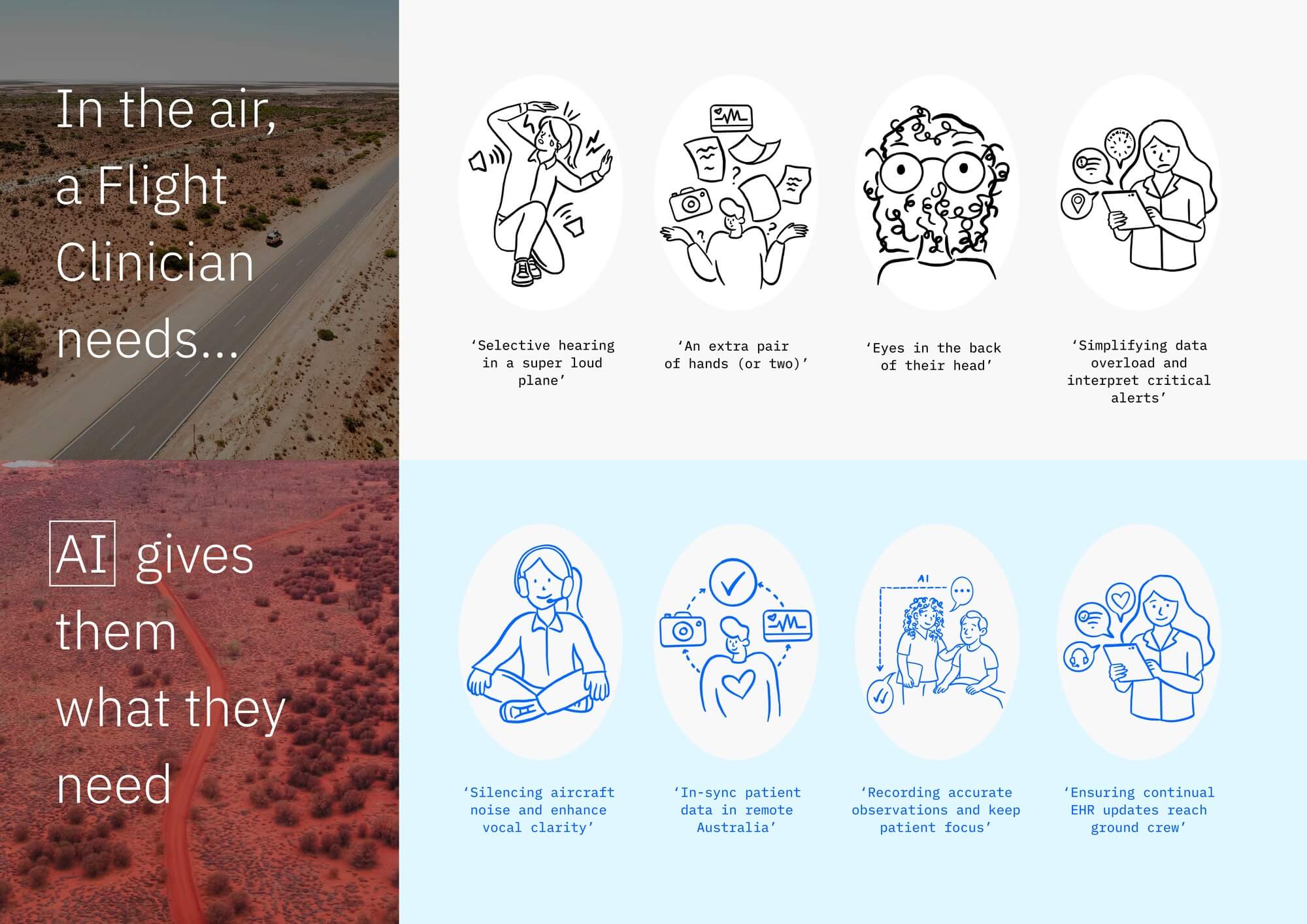
  • There is a heavy administrative burden faced by RFDS flight clinicians who spend significant in‑flight time manually documenting patient care in constrained, high‑pressure environments. Existing processes produce a high cognitive load, risk data degradation, delay information reaching ground crews, and struggle with multimodal clinical data capture. Our challenge was to use AI to build an integrated prototype in six weeks to accurately record, interpret, and standardise complex patient information in real-time. The solution needed to achieve all this without disrupting critical care whilst adhering to strict health standards and supporting seamless operations across the most remote areas of Australia.

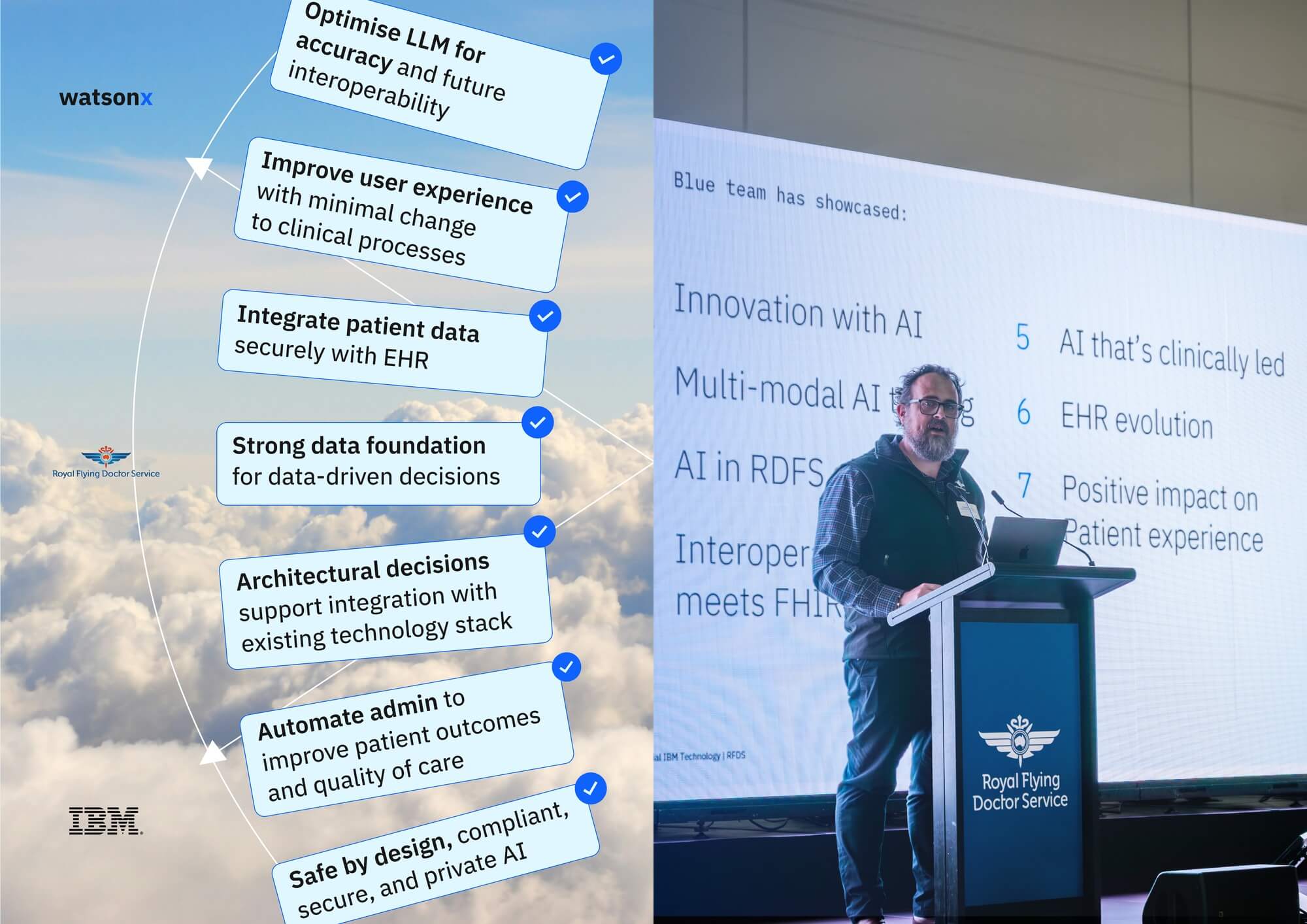
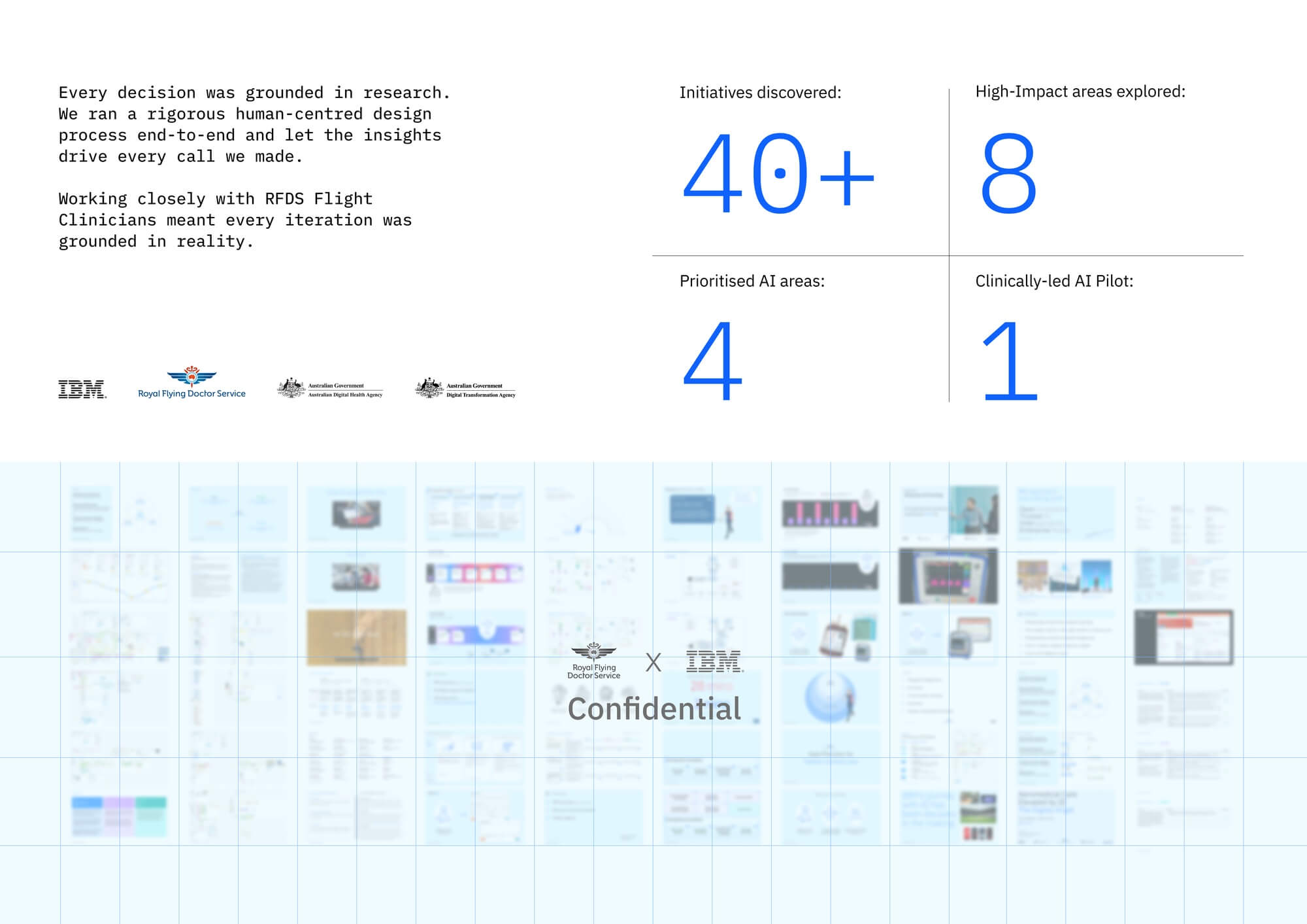
  • The Digital Crew enables hands‑free, real‑time clinical documentation using IBM’s watsonx platform with AI speech and vision models, keeping clinicians focused on patient care. It delivers up‑to‑date information to ground crews and families, integrates seamlessly with existing workflows, and improves productivity without requiring extensive retraining. The solution was shaped through multiple Design Thinking workshops with RFDS clinicians and technology leaders. Initially over 40 use cases were identified. A focus on establishing a strong data foundation was decided. This would provide the high-quality, rich data required to power future innovations, including predictive diagnostics, operational optimisation, and AI‑driven training.

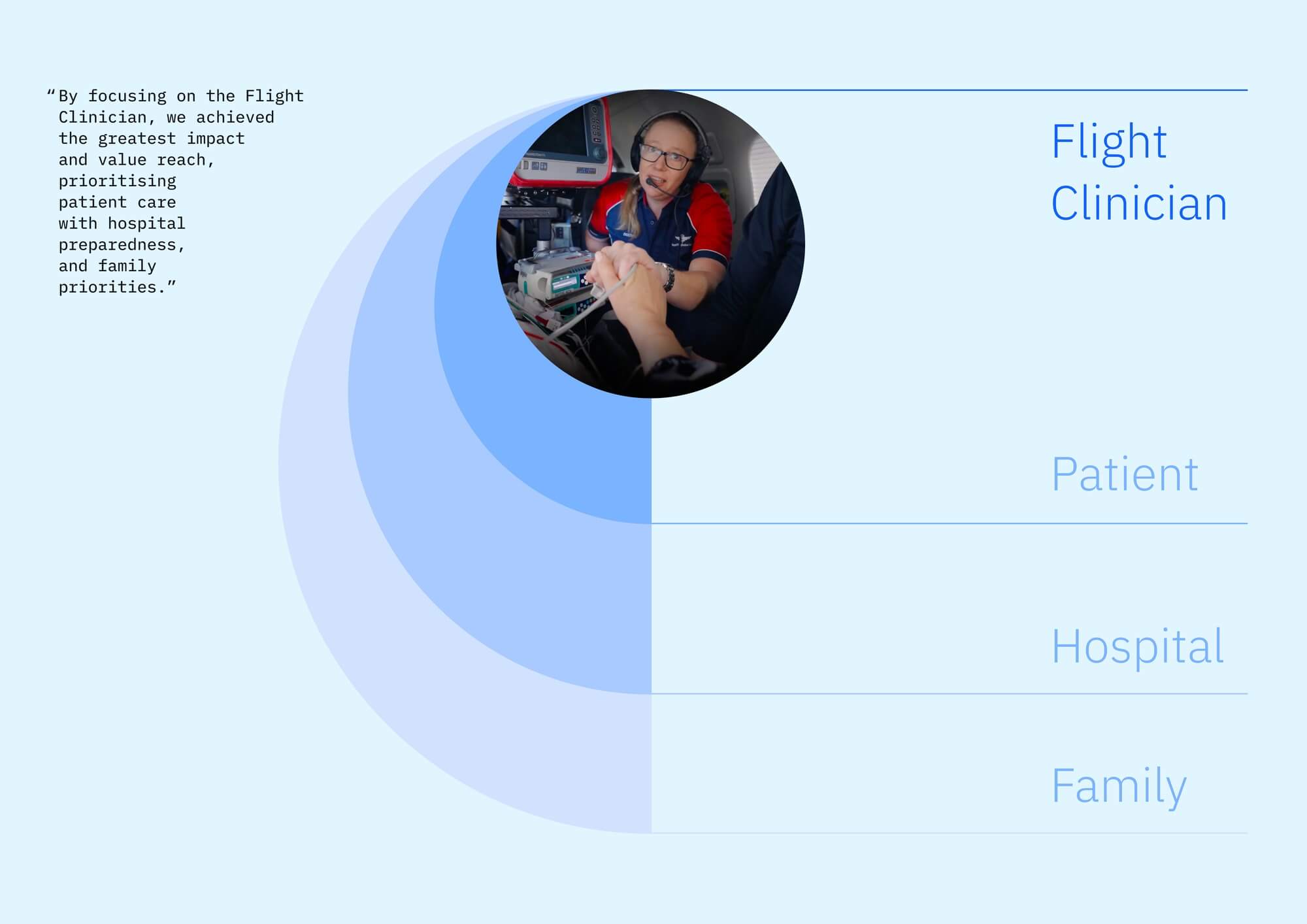
  • By focusing on flight clinicians, the project delivers clinical, operational, and societal impact. The project demonstrated that clinicians could reduce manual documentation down from 28 minutes to 2 minutes for every two hours of flight time. This time can be instead spent on patient care, improving outcomes while reducing stress and cognitive load. Patients receive more personalised and timely care, while hospitals benefit from accurate, real‑time information that improves preparedness and reduces delays in urgent care. Operational efficiencies reduce costly flight diversions and rescheduling, all while delivering high‑quality care to vulnerable Australians in our most remote communities.
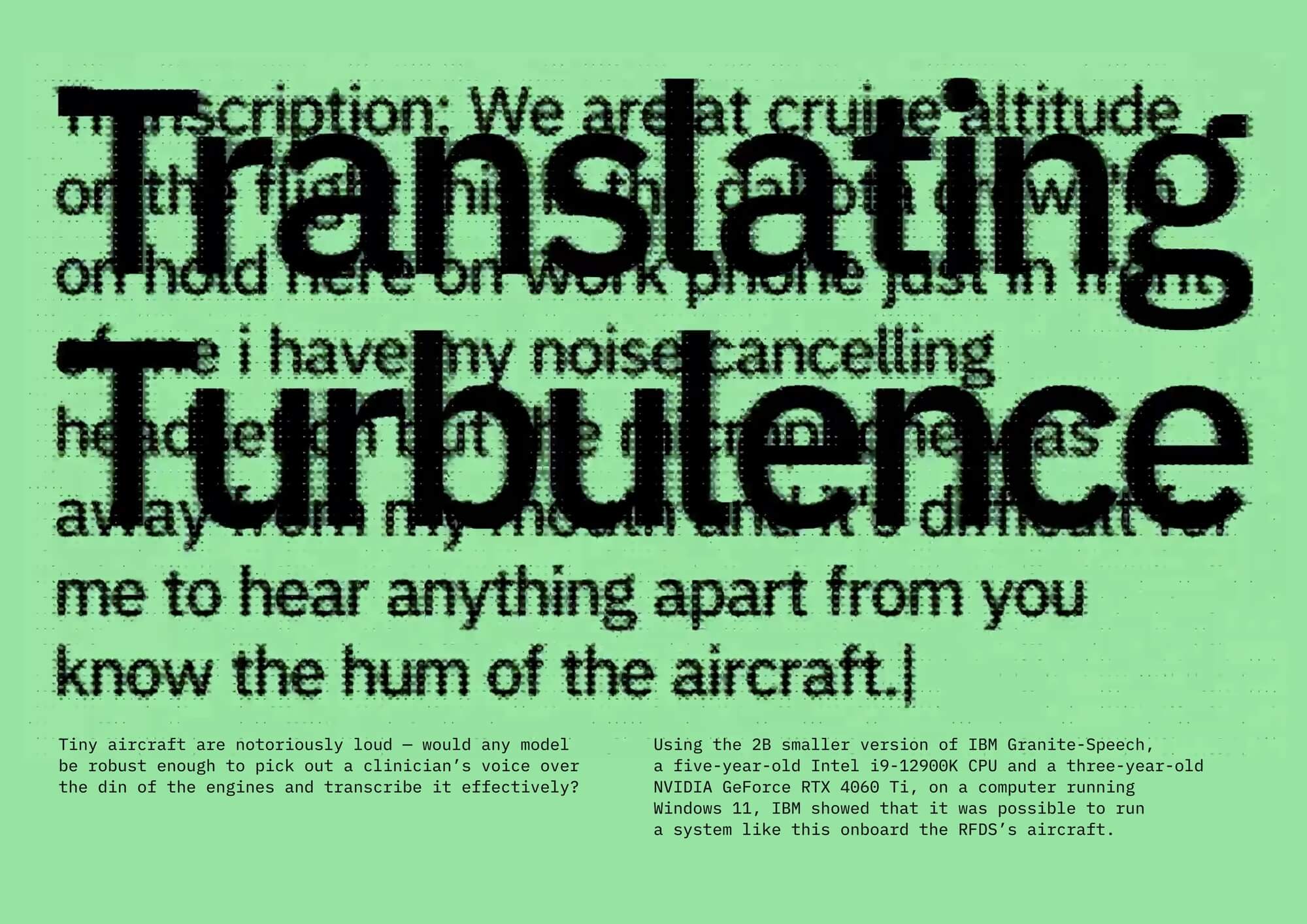
  • The Digital Crew is powered by IBM watsonx and IBM Granite-Speech. The solution uses multimodal AI models in concert with RFDS’s existing technology stack to address the unique challenges presented by the aeromedical environment, such as extreme noise and complex visual inputs. We also consider intermittent connectivity, compute-power constraints, and alignment to Federal clinical standards as part of our future-ready design.The Digital Crew integrates with RFDS’s Electronic Health Record, working seamlessly with existing clinical workflows and devices, enabling processing without disruption. This integration reduces retraining requirements, lowering the barrier to adoption for already stretched clinicians. The design maintains human-in-the-loop best practices, ensuring clinicians are ultimately in control.Designed for scale, the platform supports disconnected and low‑bandwidth settings and is capable of running on edge devices. AI governance is embedded throughout to continuously monitor model performance for hallucination, accuracy, and drift.Developed in consultation with the Digital Transformation Agency and the Australian Digital Health Agency, The Digital Crew is built for compliance, privacy, and interoperability by adhering to Australian digital health standards and data protocols. Patient data remains secure at all times and is not used for model training, ensuring trust, ethical AI use, and protection of sensitive clinical information.