UPtex: The End of Single-Use Signage

good-design-award_best-in-class_rgb_blk_logo
  • 2026

  • Fashion and Textiles

Designed By:

Commissioned By:

UPPAREL

Designed In:

Australia

UPtex is a fully circular signage material that replaces virgin corflute using recycled textile waste. Printed up to 16 times, it is then returned, defibred, and reborn as new signage – a truly closed loop that keeps textile waste in circulation and out of landfill, forever.


view website
Buy online

2.jpg
3.jpg
4.jpg
5.jpg
6.jpg
7.jpg
8.jpg
9.jpg
  • CHALLENGE
  • SOLUTION
  • IMPACT
  • MORE
  • Textile waste is one of the most misunderstood environmental crises of our time. Australia has recently become the global leaders of textile consumption annually, yet most consumers and businesses have little visibility over where it ultimately ends up. This lack of transparency masks a damaging reality - textile waste shipped offshore frequently ends in landfill, releasing harmful CO2 emissions in the process. Meanwhile, businesses have had no viable alternative but to rely on virgin corflute for signage - a single-use, plastic-based material that generates emissions with every production run and offers limited pathways to recovery or reuse.

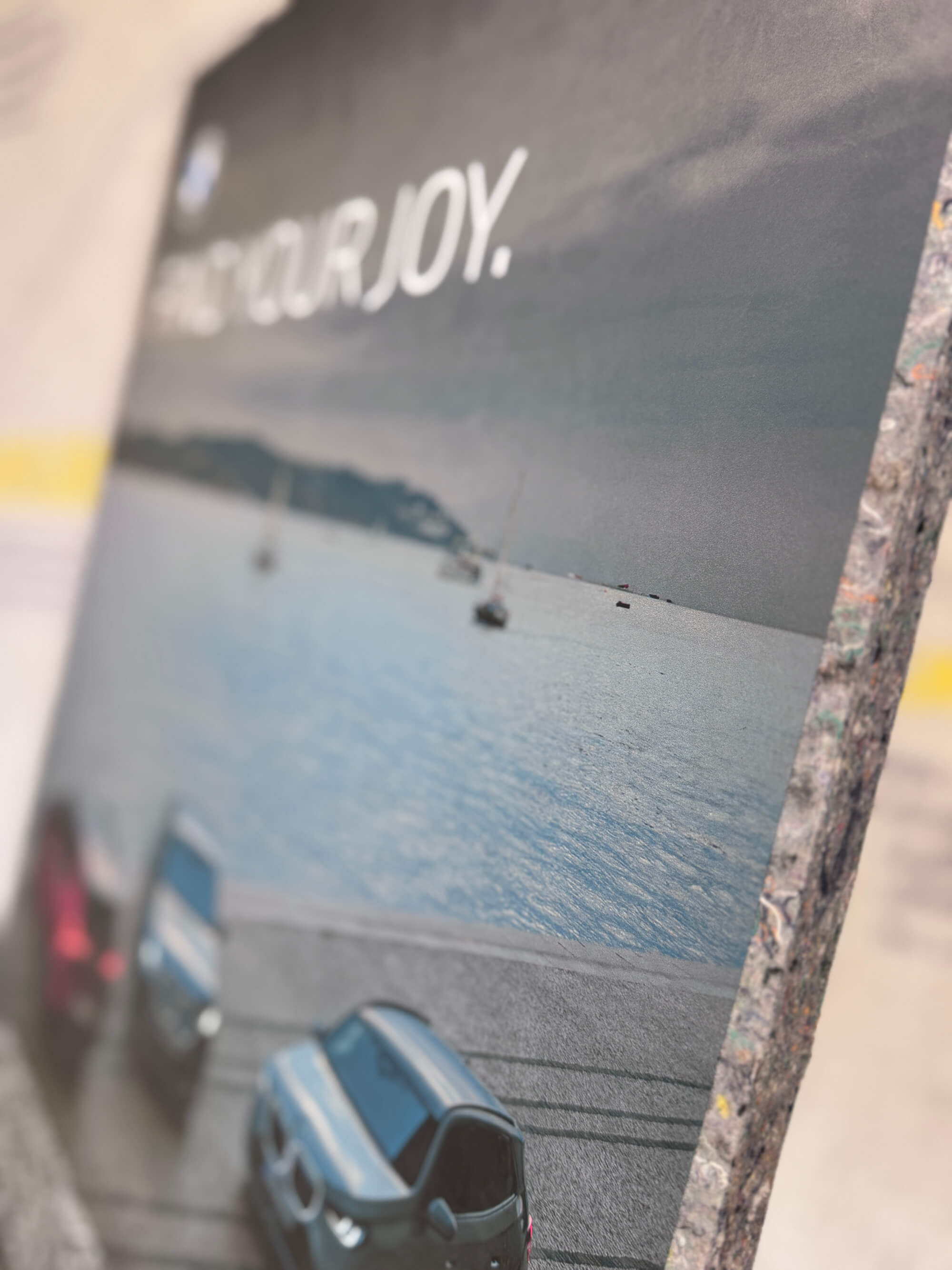
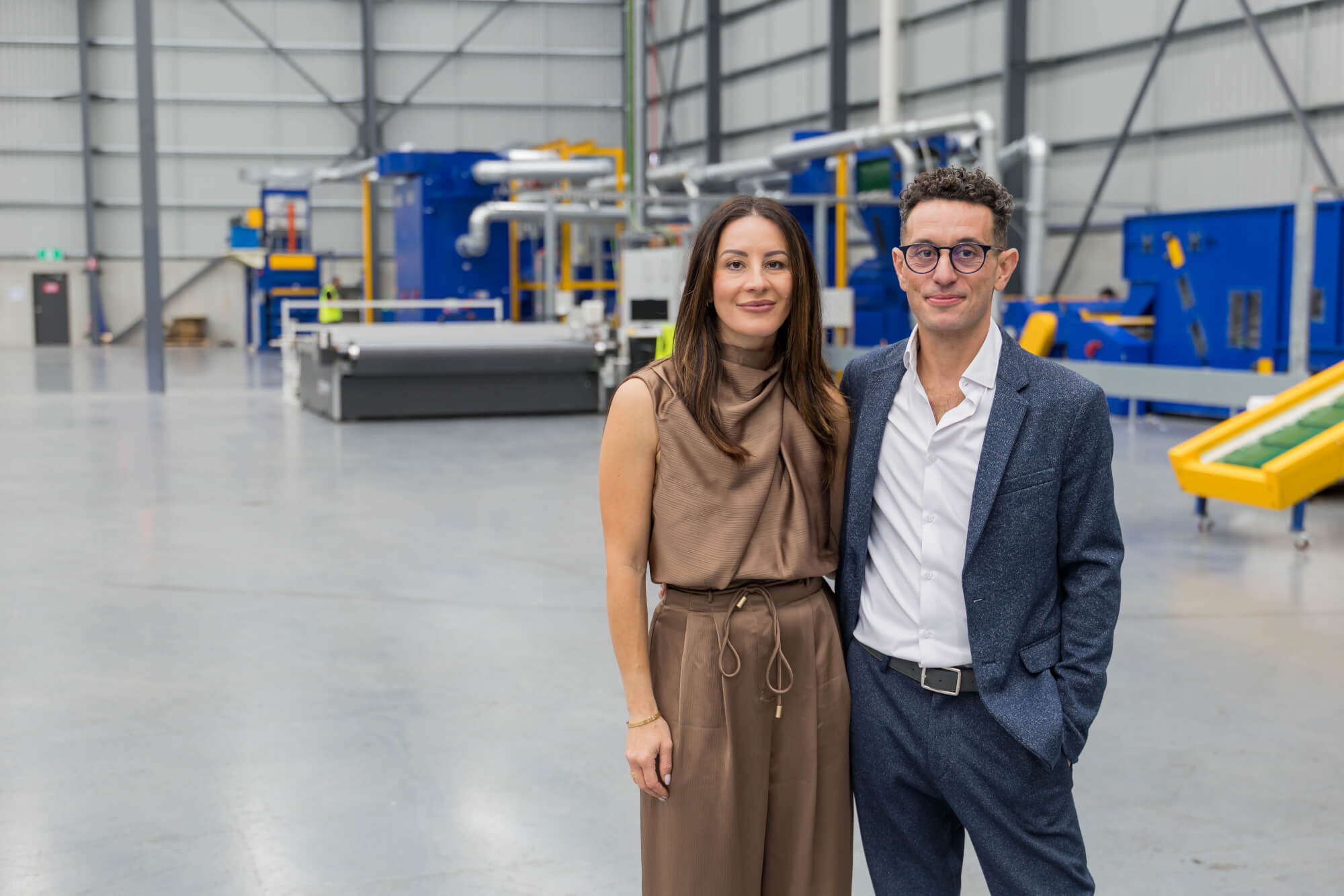
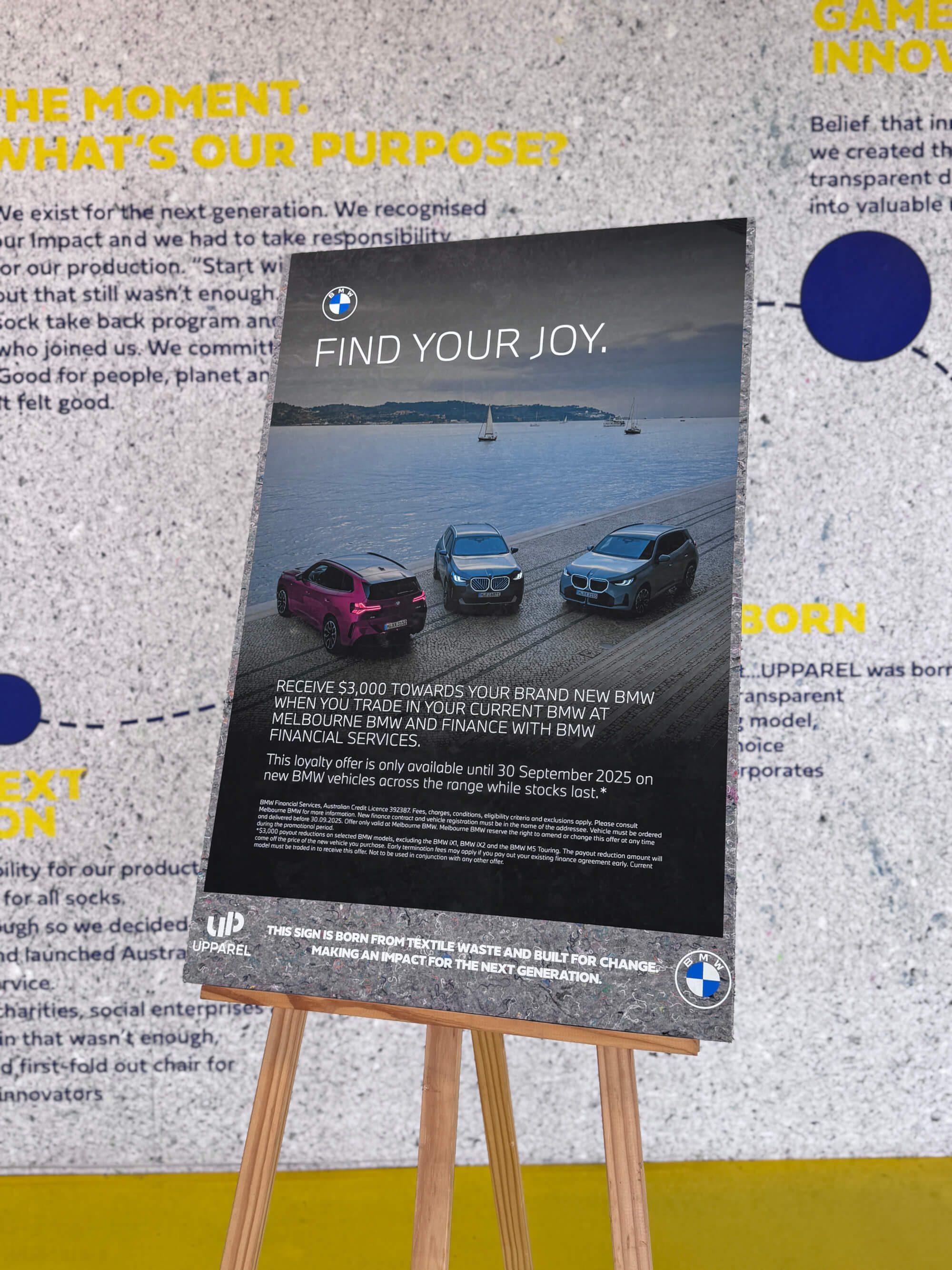
  • UPtex was born from the question: could textile waste become a high-performance resource that replaces virgin materials? Answering it required purpose-built innovation - engineers custom-designed machinery specifically for UPPAREL to manufacture recycled textiles into a durable, printable board. Achieving consistent print quality across multiple uses demanded extensive experimentation before the team confirmed the material could withstand up to 16 print cycles before being returned, defibred, and remanufactured into new signage. The solution keeps the entire process onshore in Australia, maintaining full traceability. Its real-world viability was validated through a landmark partnership with Melbourne BMW - an industry first in sustainable retail.

  • UPtex transforms textile waste from an environmental liability into a valuable resource, creating measurable impact across every point in the value chain. By keeping waste onshore and within a closed loop, it gives retailers a transparent, accountable alternative to offshoring, stopping the cycle of dumping that burdens developing countries. Each sign produced replaces virgin corflute, reducing carbon emissions at the point of manufacture, and with up to 16 print cycles before being reclaimed and remanufactured, the material continues displacing emissions long after its first use. UPtex doesn't just reduce the environmental impact of conventional signage - it redesigns the system entirely.

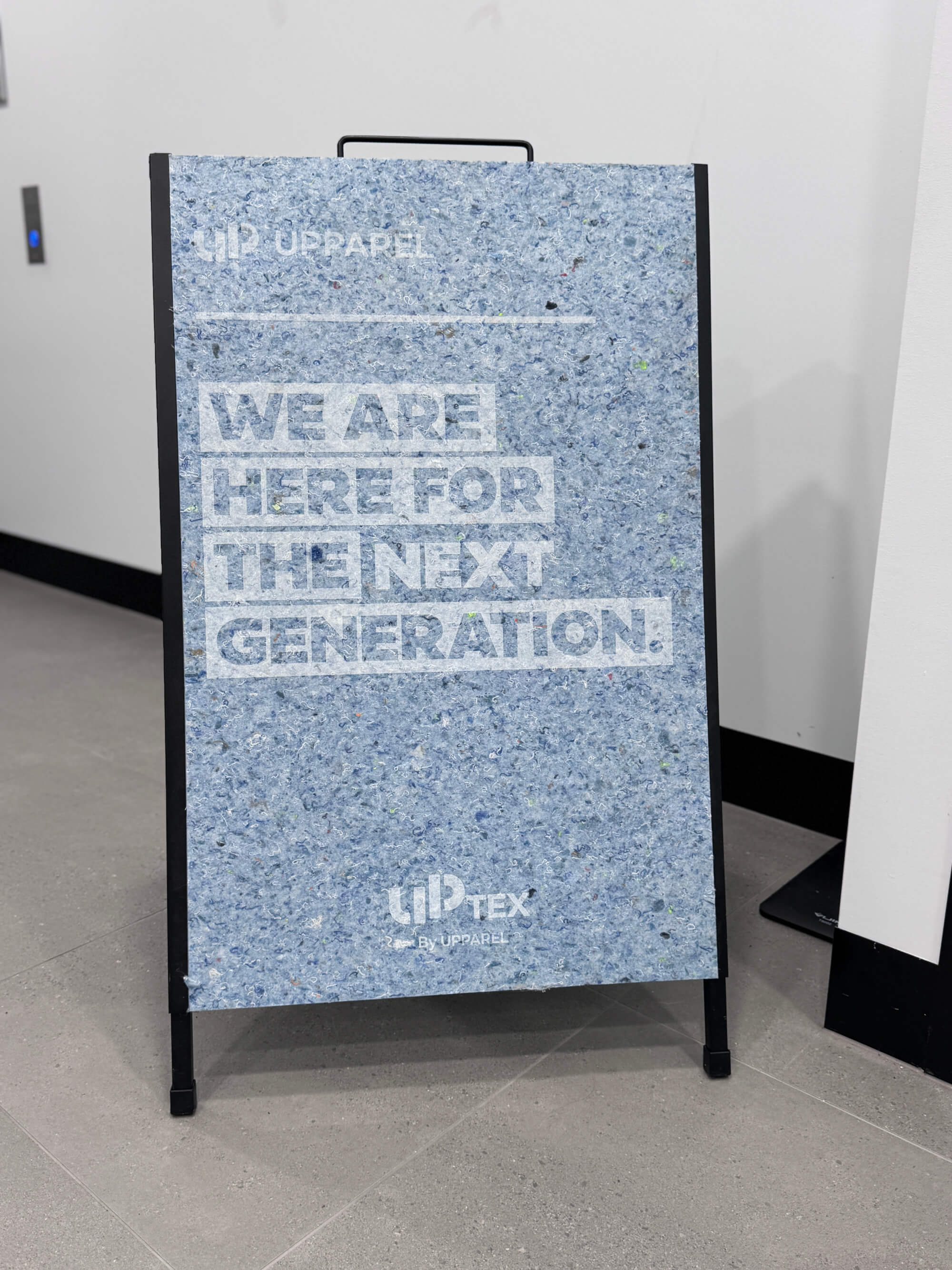
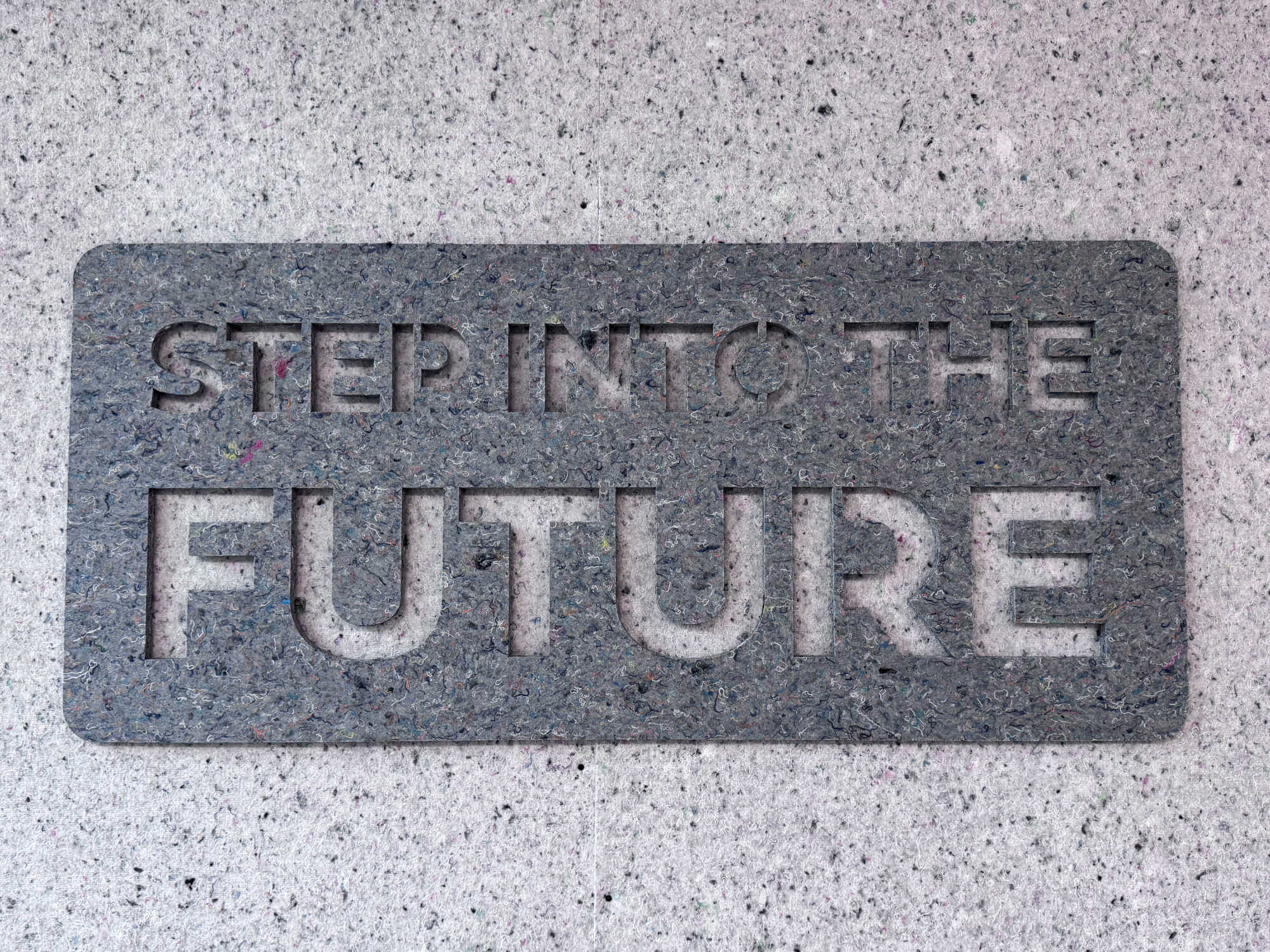
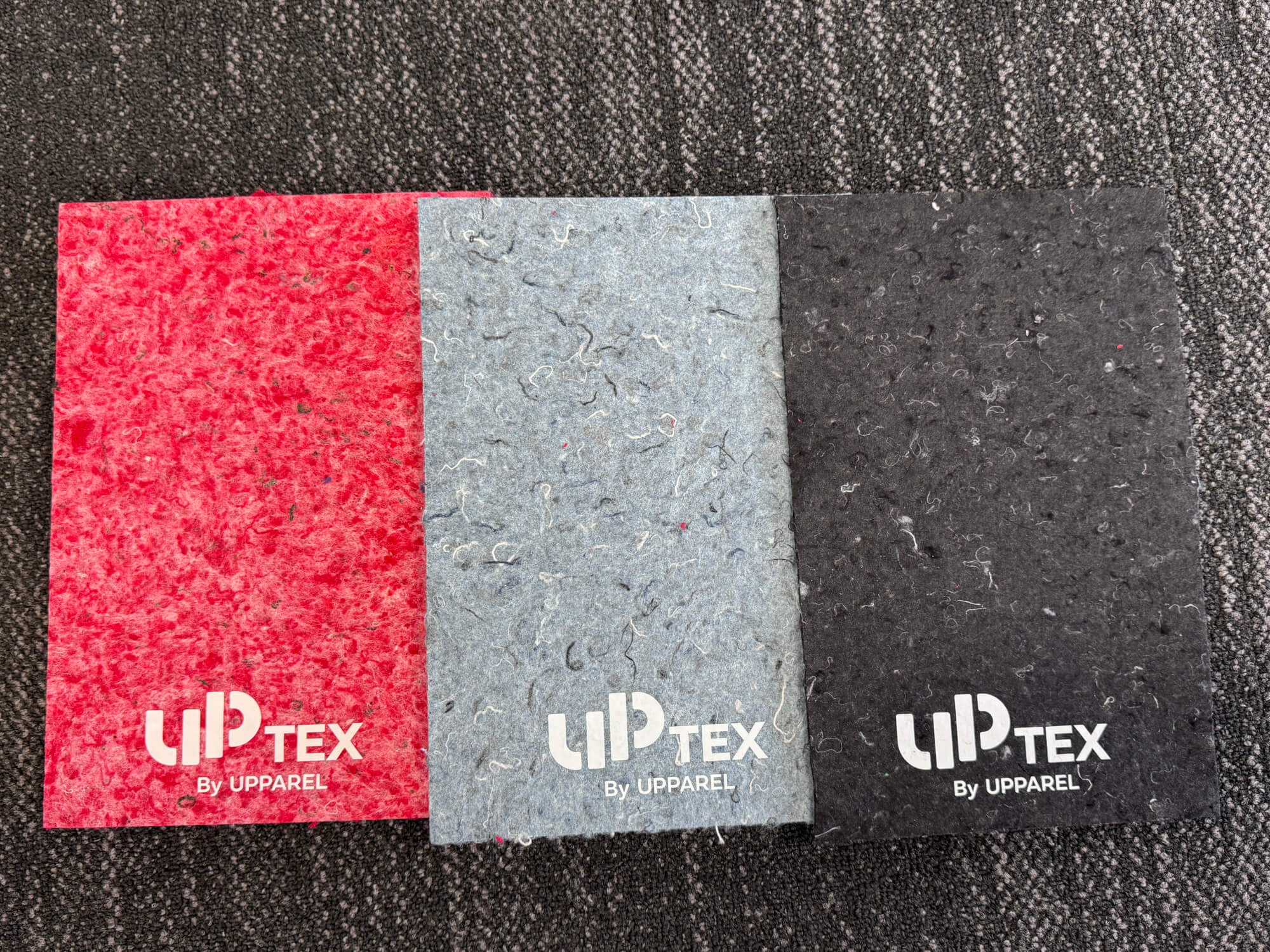
  • UPtex was developed as a direct replacement for virgin corflute, matching the rigidity, durability and feel of conventional signage material while being constructed entirely from recycled textile waste. Available in multiple thicknesses, it accommodates a broad range of applications from lightweight retail displays to heavy-duty signage, without any compromise on performance.Where UPtex fundamentally differs is in its lifecycle. Each board can be printed on up to 16 times, dramatically reducing the frequency of reorders and the emissions generated by repeated production runs. At end of life, boards are returned to UPPAREL, defibred using purpose-built machinery, and remanufactured into new signage, completing a fully closed loop with zero end-of-life waste.The material also offers customisation that virgin corflute cannot. By adjusting the blend of textile colours introduced during manufacturing, the base colour of each board can be tailored to a brand's visual identity, making the transition to circular signage aesthetically seamless. Each A1 UPtex sign prevents approximately 150kg of greenhouse gas emissions across its lifetime. At scale, across thousands of businesses and millions of print cycles, the cumulative benefit represents a measurable contribution to reducing the fashion industry's impact on the planet.