
Second Skin

good-design-award_winner_rgb_blk_logo

Second Skin is a hospital scrubs design for healthcare workers that transforms a ubiquitous uniform—typically standardised, synthetic, and uncomfortable for long wear—into a tailored, sustainable, breathable alternative. Using 3D body scanning and advanced manufacturing with seaweed-based textiles, it improves comfort, fit, and wearer wellbeing while reducing environmental impact.

view website

2.jpg
Second Skin (Image: Cotsaftis, 2025)
3.jpg
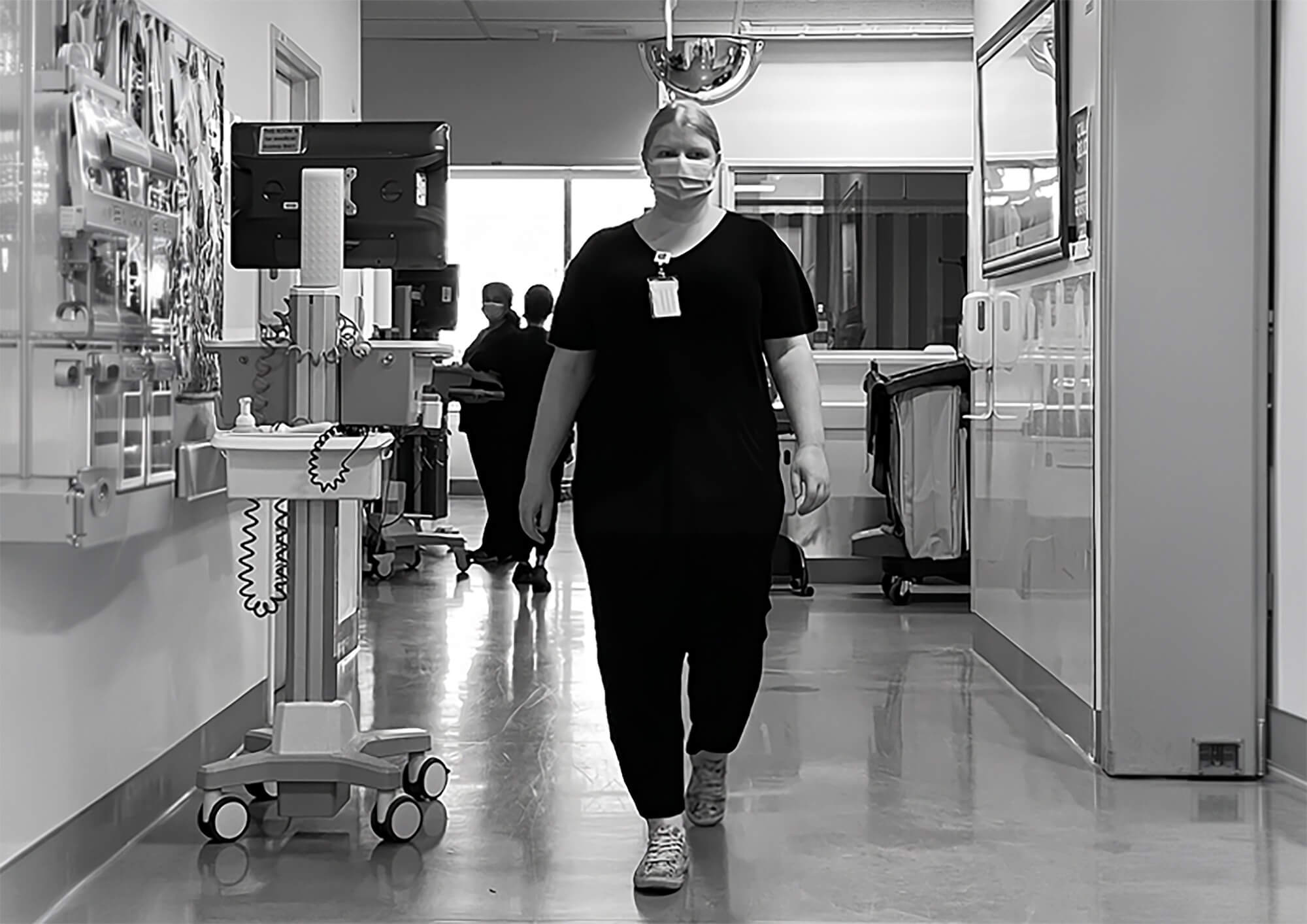
Nurse Erin Colgan wearing Second Skin (Image: Cotsaftis, 2025)
4.jpg
Second Skin Base Designs (Image: Cotsaftis & Raco, 2025)
5.jpg
Second Skin 3D Body Scanning (Image: Cotsaftis & Einoder, 2025)
6.jpg
Second Skin 3D Knit, Seaweed-Cotton Blend (Image: Cotsaftis, 2025)
7.jpg
Close-up of nurse Erin Colgan wearing Second Skin (Image: Cotsaftis, 2025)
  • CHALLENGE
  • SOLUTION
  • IMPACT
  • MORE
  • Hospital scrubs are worn daily by healthcare workers, yet their design has changed little. Typically standardised, synthetic, and poorly fitted, they prioritise durability and cost over comfort—contributing to heat, sweat, odour, and skin irritation during long shifts. While higher-quality alternatives exist, they remain costly and inaccessible at scale. Conventional scrub production also relies on plastic-based textiles and mass manufacturing, generating waste and limiting fit across body types. The challenge was not only to rethink this garment for sustainability, but to introduce body-specific design through 3D technologies in a way that fits within existing healthcare systems while meaningfully improving worker experience.

  • Second Skin responds by reframing the scrub as a body-specific garment rather than a standardised uniform. Using 3D body scanning and seamless knitting technologies, each piece is shaped to the individual and produced without cut-and-sew assembly, improving fit, breathability, and comfort during long shifts. A seaweed–organic cotton blend replaces synthetic fibres, reducing reliance on plastics while enhancing softness and thermal regulation. Developed through iterative prototyping with healthcare workers, the project tested material performance, fit, wearability, and functional details such as pocket placement in real conditions. The result is a low-waste, digitally driven production approach compatible with existing healthcare systems.

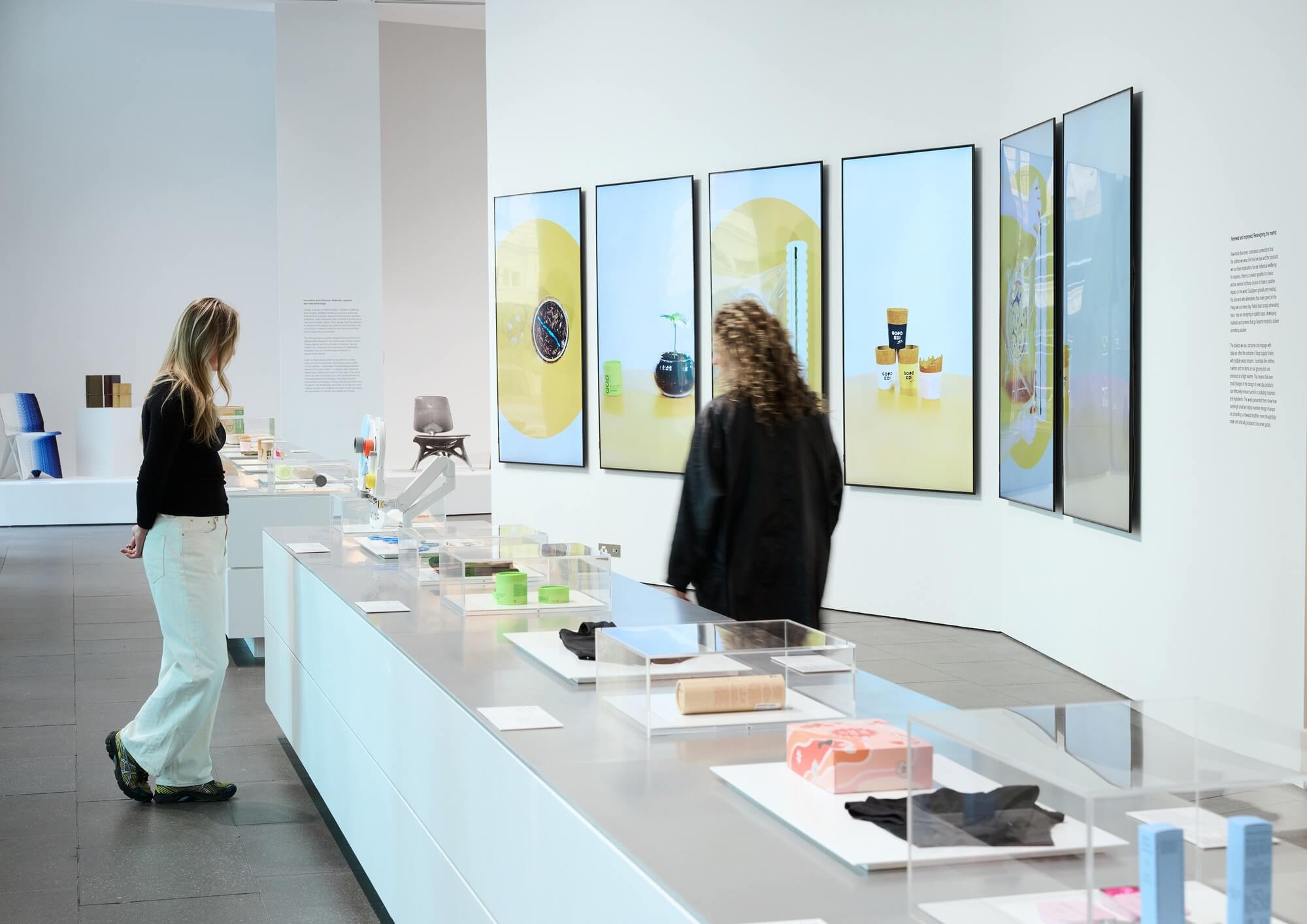
  • Second Skin demonstrates how design can improve everyday working conditions while remaining viable within healthcare systems. It offers a commercially realistic alternative to standardised uniforms through digitally driven, on-demand production that can adapt to individual needs. The use of seaweed-based textiles and seamless knitting reduces reliance on synthetic materials and minimises production waste. Improved fit, comfort, and breathability support healthcare workers' wellbeing and performance during long shifts. Exhibited at the National Gallery of Victoria’s 'Making Good: Redesigning the Everyday', the project extends its impact into the public realm, positioning healthcare workwear within broader conversations on design, sustainability, and wellbeing.

  • Second Skin combines digital fabrication, material innovation, and user-centred design within a single garment system. Key features include:1- Body-specific fit: 3D body scanning enables garments to be tailored to individual measurements, accommodating body types beyond standard sizing systems2- Seamless construction: Each piece is 3D knitted in a single process, reducing seams, improving comfort, and minimising material waste3- Regenerative material: A seaweed–organic cotton blend replaces synthetic textiles, offering breathability, softness, and reduced environmental impact4- Thermal and sensory comfort: Material selection and knit structure improve airflow and reduce heat, sweat, odour, and skin irritation during long shifts5- Functional detailing: Elements such as pocket placement, necklines (crew, V, Mao), sleeve lengths, and trouser styles (fitted, cuffed, regular) are configurable, allowing healthcare workers to select options that suit their preferences and ways of working6- On-demand production: Digital workflows enable garments to be produced as needed, reducing overproduction and inventory waste