Ovi: Designing Dignity in Early Pregnancy Loss

good-design-award_best-in-class_rgb_blk_logo
  • 2026

  • Concept Design

Designed By:

Commissioned By:

Ellyn Wong Wan Wen

Designed In:

Australia

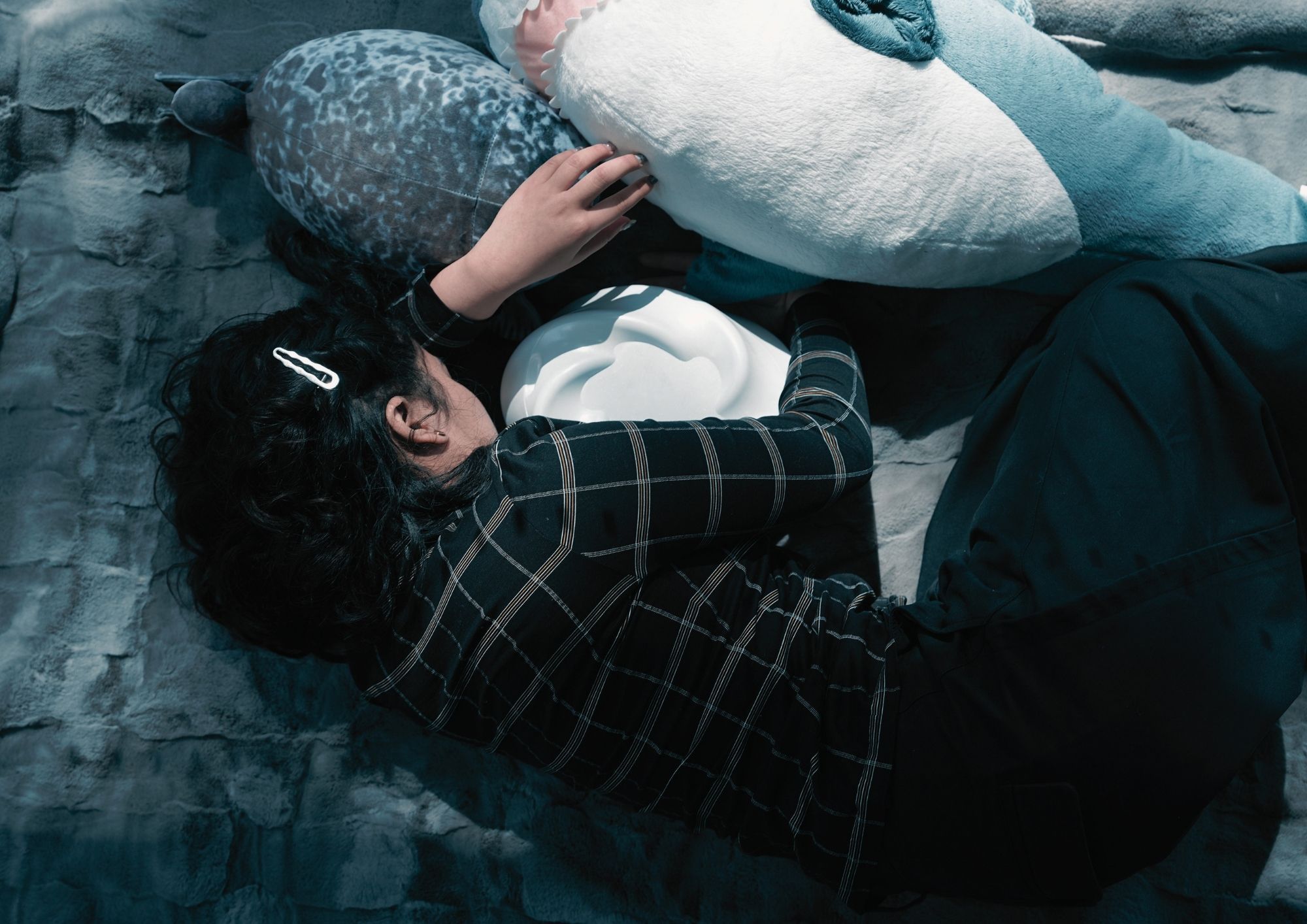
Ovi is a ceramic cooling vessel designed to support families experiencing early pregnancy loss. It preserves the baby for three days without electricity, allowing families to transport, hold funeral, and grieve in their own space. I wanted to challenge a taboo and honour life, however brief it may have been.

2.jpg
Jingning Xu
3.jpg
Jingning Xu
4.jpg
Jingning Xu
5.jpg
Photograph by Jingning Xu, edited by Ellyn Wong
6.jpg
Photograph by Jingning Xu, edited by Ellyn Wong
7.jpg
Photograph by Jingning Xu, edited by Ellyn Wong
8.jpg
Leslie W
9.jpg
Leslie W
  • CHALLENGE
  • SOLUTION
  • IMPACT
  • MORE
  • Miscarriage is a form of disenfranchised grief, with a gap between hospital and formal funeral care, where loss is often unrecognised and treated as medical waste. There are no appropriate caskets for miscarriages, and families who wish to bring their baby home are often given clinical waste bags. Families are rarely given time, space, or guidance to grieve, and each experience is personal. The challenge was to design a respectful, transitional solution that supports diverse grieving practices while bridging this system gap. Constraints included non-electrical cooling preservation, transport safety, weight, containment, sustainability, and creating an artefact that also supports burial.

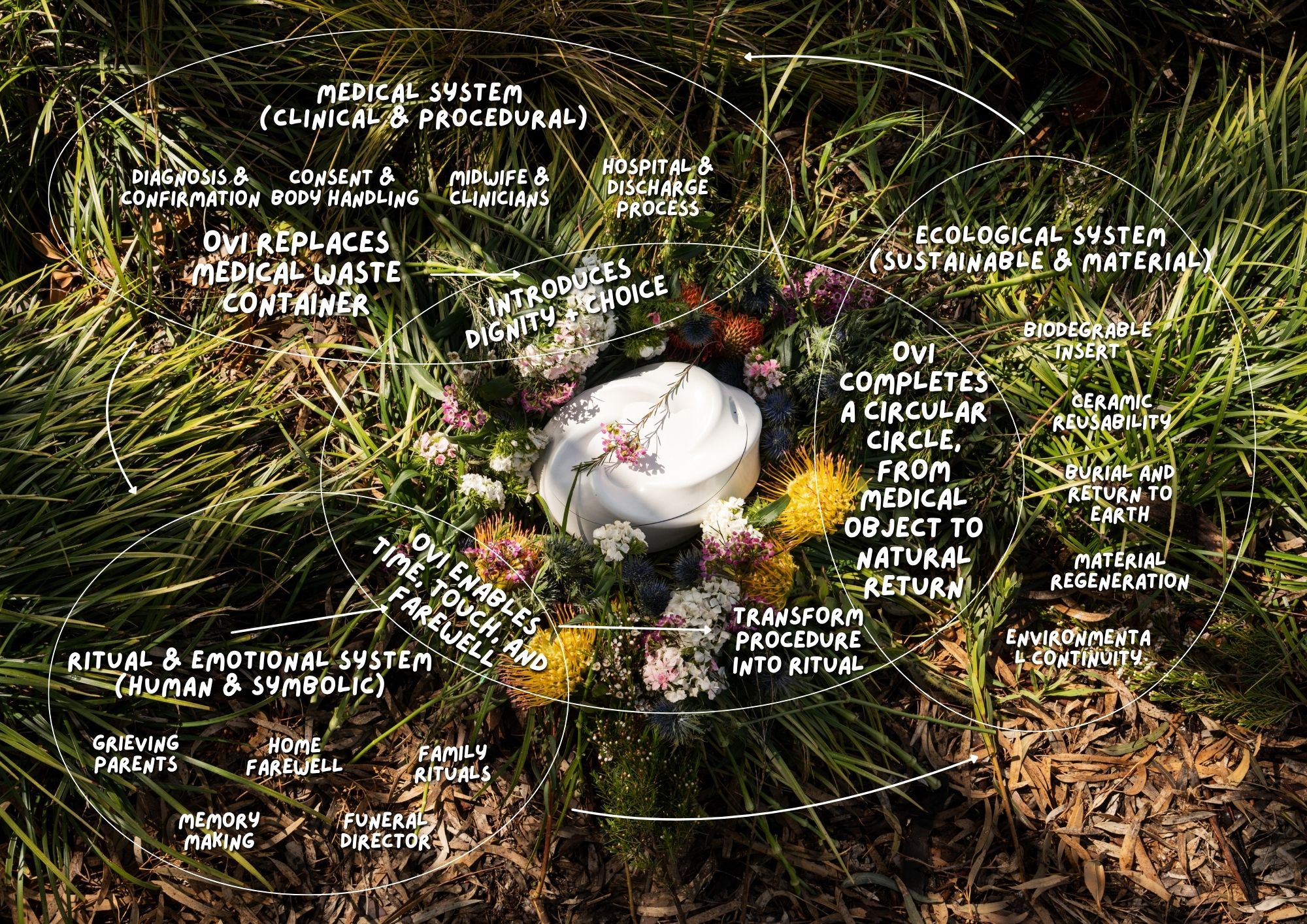
  • Ovi is proposing a transitional system that allows families to bring their baby home and create a meaningful farewell. The project was informed by observation within a morgue and consultations with midwives, a gynaecologist, and therapists. A key insight was the need for time, privacy, and memory-making. The design developed into a double-walled ceramic vessel that preserves the baby for up to three days using ice packs without electricity. It prevents leakage and avoids clinical aesthetics. A biodegradable PHA insert supports burial, while the outer ceramic remains as an artefact, enabling a dignified transition between hospital, home, and funeral care.

  • Ovi addresses a largely unrecognised gap in miscarriage care, where families are often left without options to hold or farewell their baby. Socially, it restores dignity, choice, and time, allowing families to grieve in their own way. Environmentally, the system combines a reusable ceramic vessel with a biodegradable PHA insert, reducing reliance on single-use materials. Commercially, Ovi has potential to be integrated into hospital and funeral workflows as a new standard of care. Through conversations with midwives, doctors, and therapists, the project has shown strong interest for further development within healthcare systems.

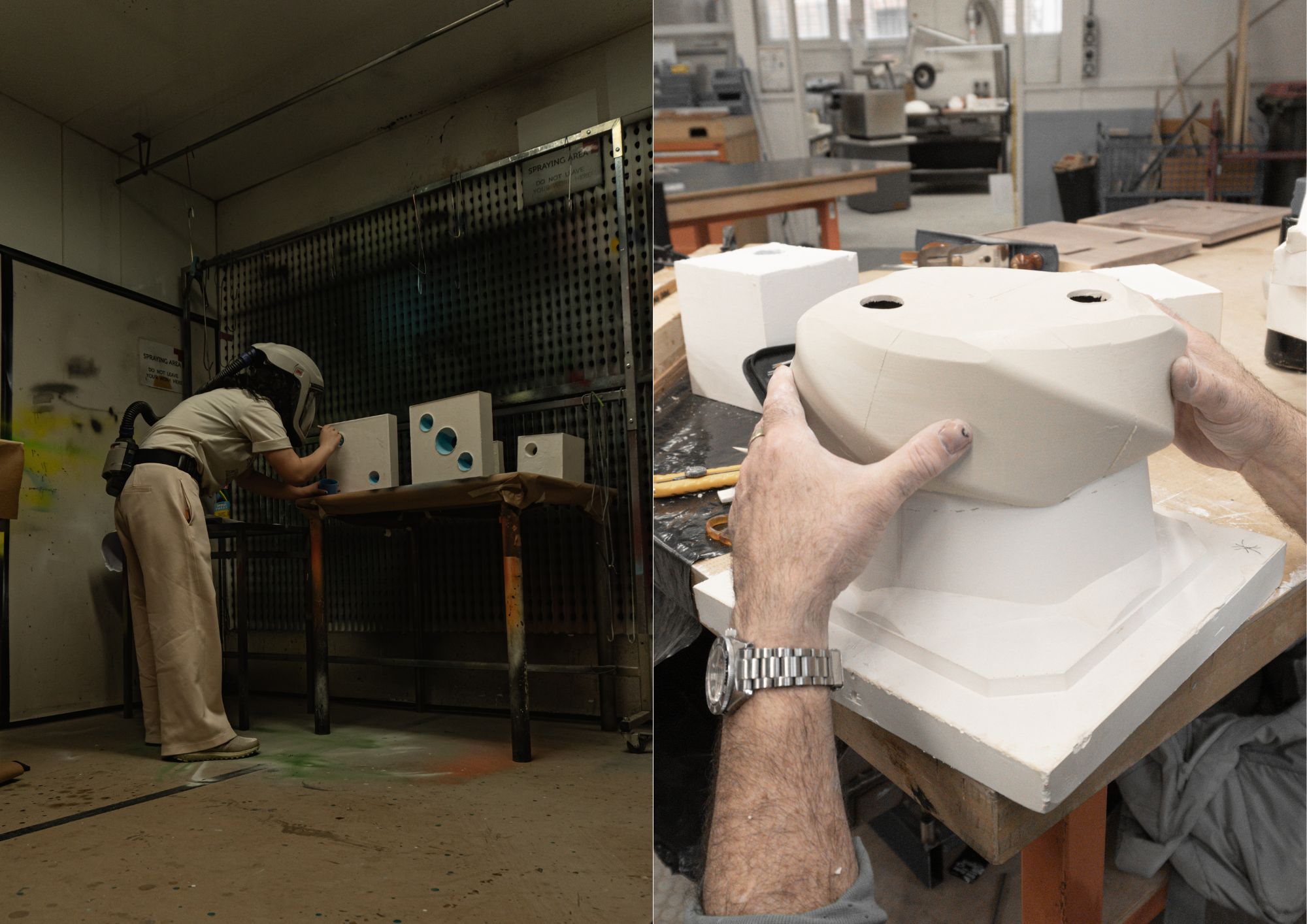
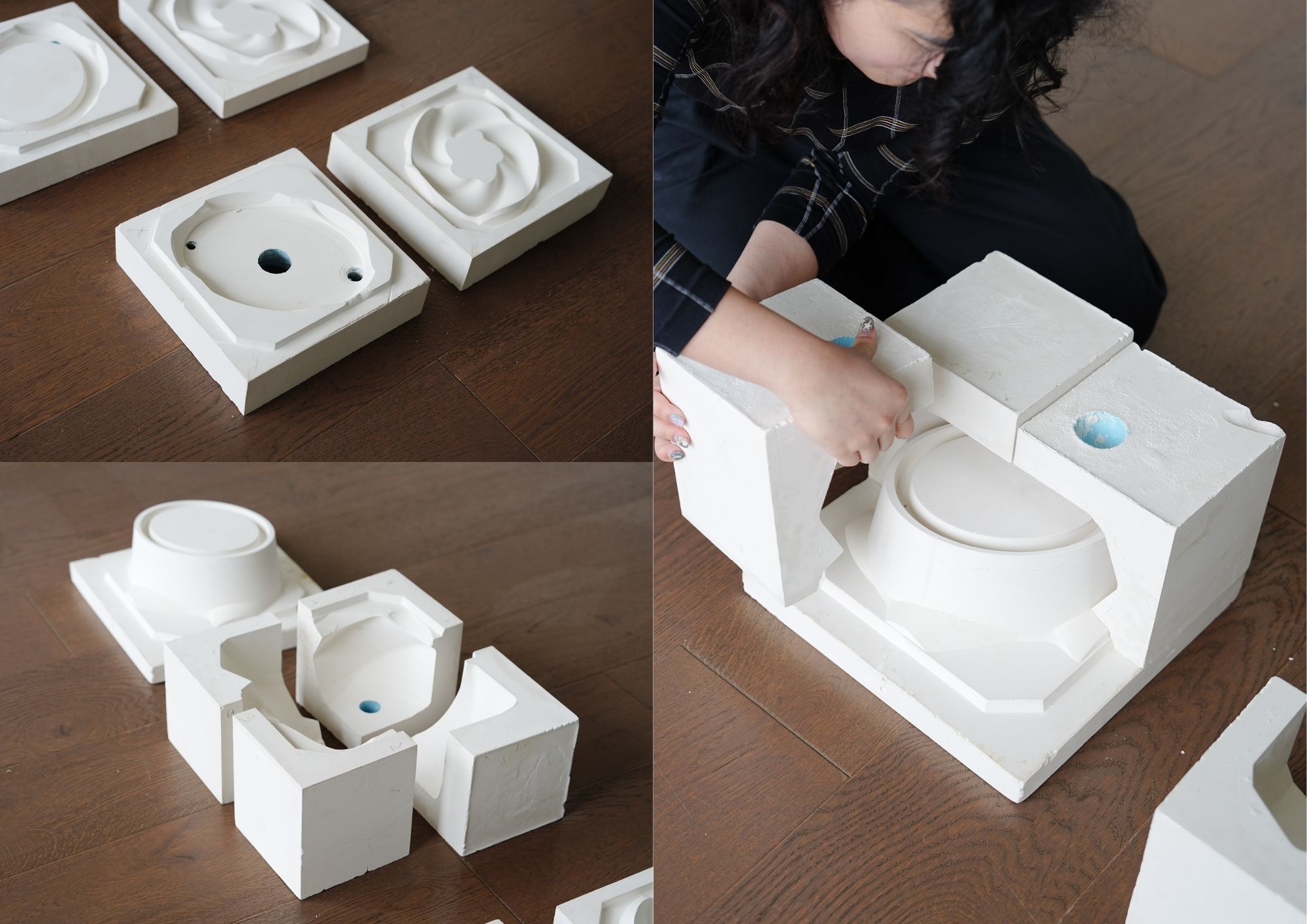
  • Ovi is designed as a system of choice, allowing families to say goodbye in their own way. It functions as a cooling vessel, a transportation method, a burial coffin, and a lasting artefact. It reframes miscarriage care, from a clinical process into a human experience. The design enables families to bring their baby home, creating space for private farewell and memory-making outside of clinical environments. A key innovation is the double-walled stoneware construction, developed through slip casting for mass manufacturing. The double-walled vacuum preserves the baby without electricity. Unlike traditional evaporative cooling methods, the system uses ice packs within a sealed structure, maintaining a clean, contained environment. The stoneware provides thermal stability while offering a non-clinical presence. The vessel is designed for integration within hospital and funeral workflows, enabling a seamless and dignified transition rather than improvised handling. It is transportable, spill-safe, and avoids exposing families to distressing clinical processes. The inner insert is made from biodegradable PHA, supporting burial, while the outer ceramic shell can be retained as an artefact. Informed by my first-hand observation and professional consultation, Ovi responds to technical, cultural, and emotional complexities with potential to integrate into existing workflows, establishing a new typology of care.