Micro-X | Rover

good-design-award_gold-winner_rgb_blk_logo
  • 2026

  • Product
    Medical and Scientific

Designed By:

Commissioned By:

Micro-X

Designed In:

Australia

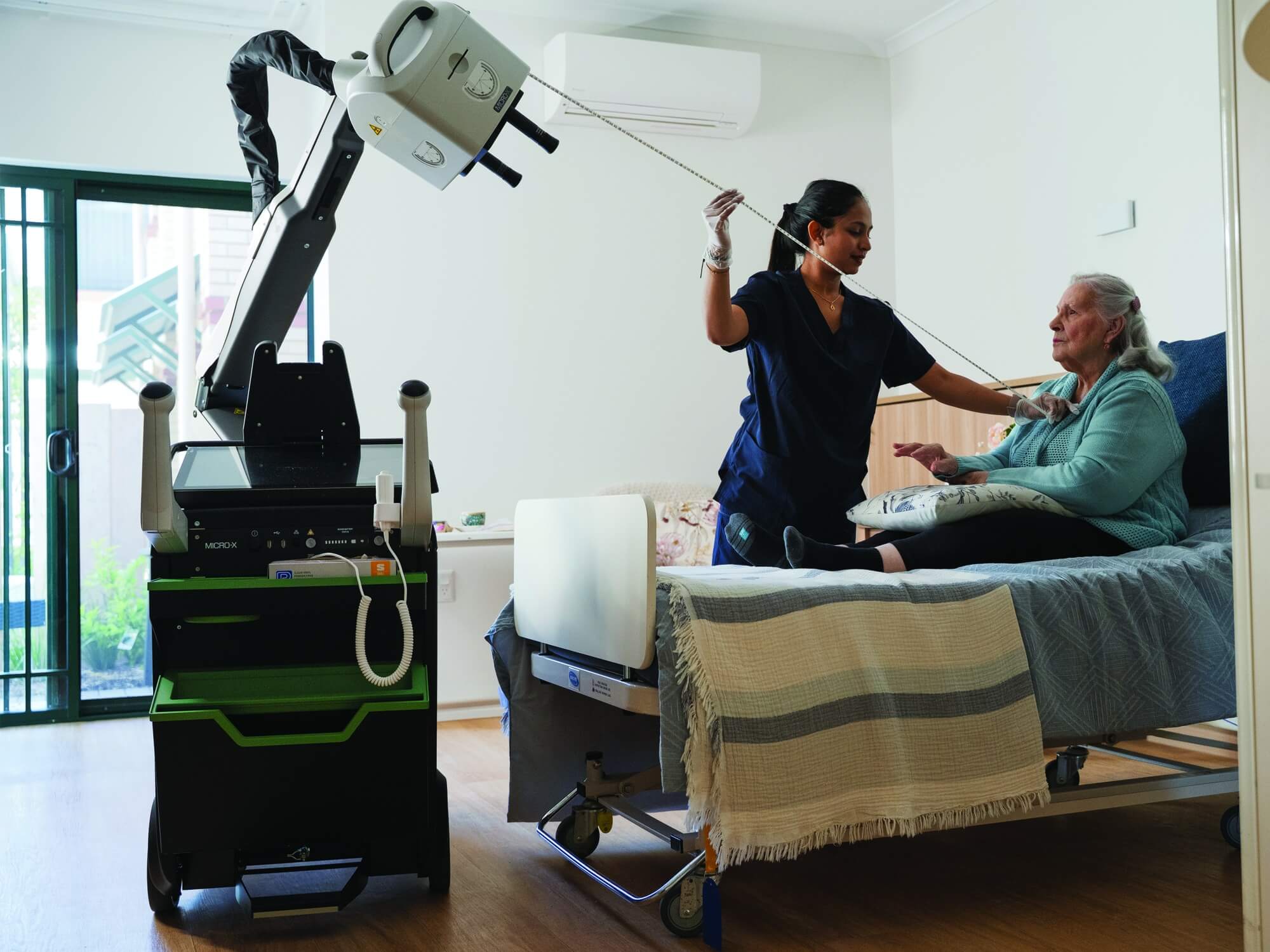
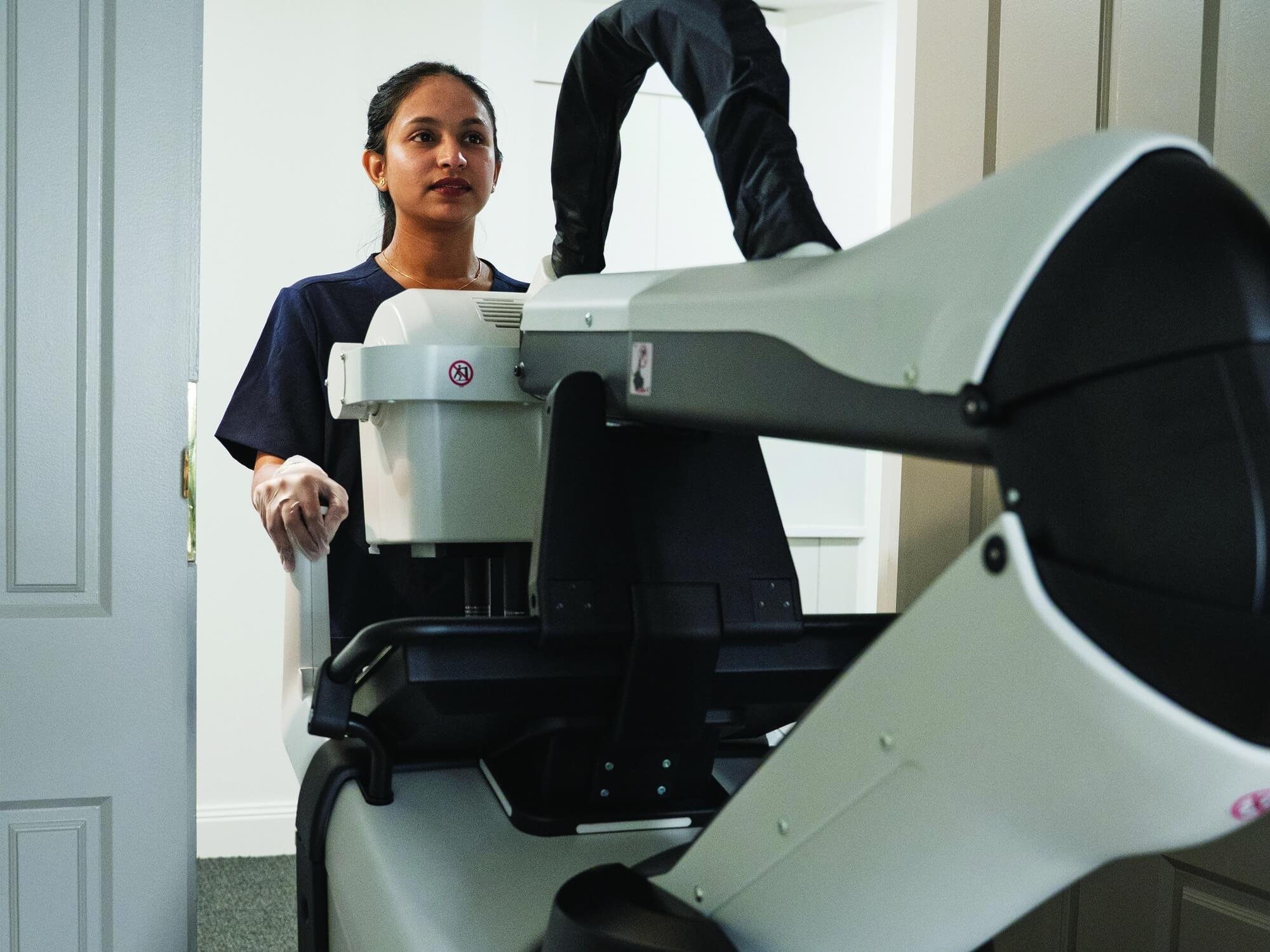
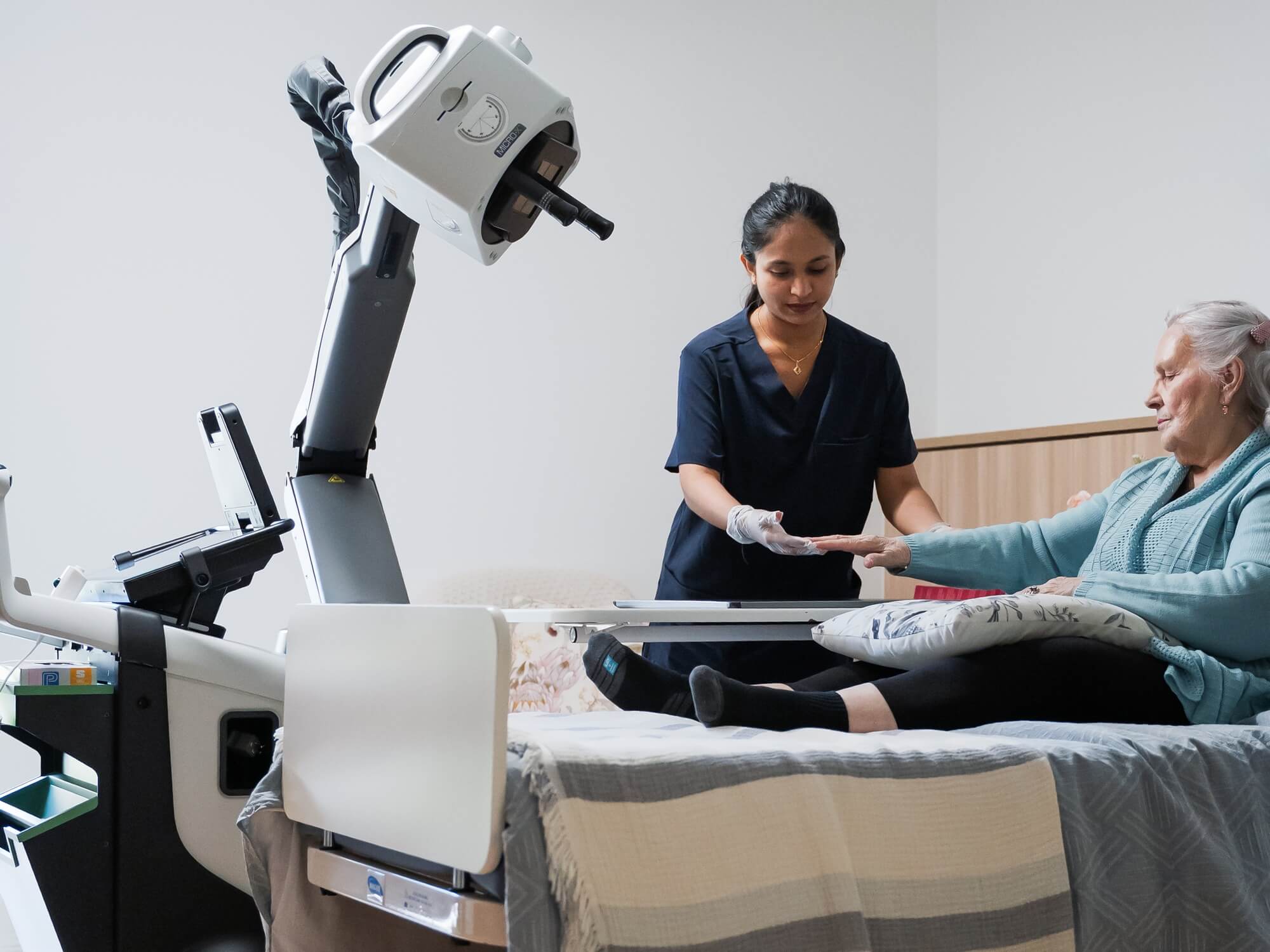
Healthcare is moving to the patient, and mobile imaging should follow. Rover simplifies point-of-care imaging by combining diagnostic imaging with lightweight mobility. Powered by Micro-X’s Nano Electronic X-ray (NEX) Technology, Rover is a next-generation mobile X-ray system that empowers radiographers to perform high quality diagnostic imaging wherever patients need care.

view website

2.jpg
3.jpg
4.jpg
5.jpg
6.jpg
7.jpg
8.jpg
9.jpg
10.jpeg
11.jpeg
12.jpeg
  • CHALLENGE
  • SOLUTION
  • IMPACT
  • MORE
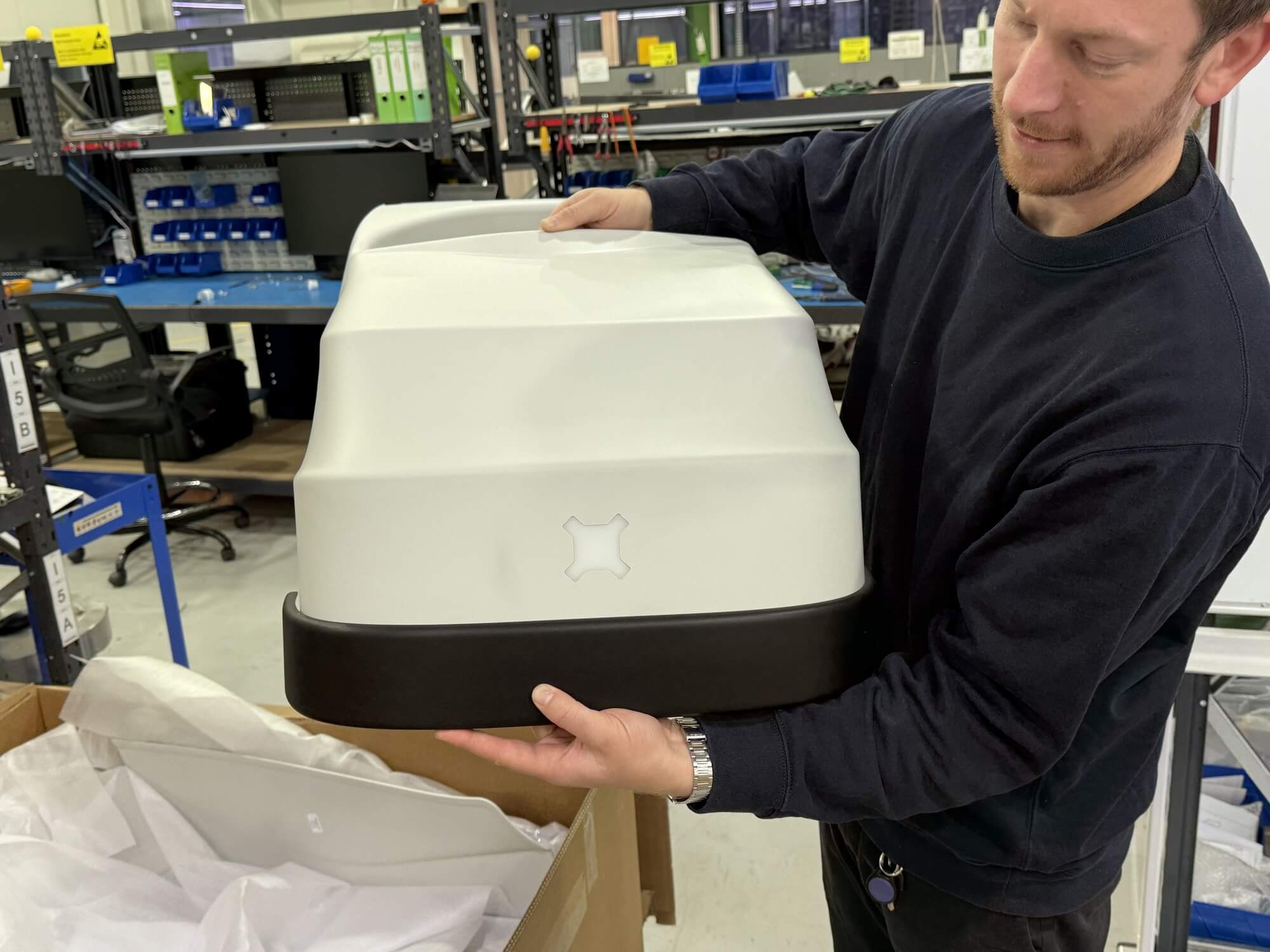
  • The Micro-X Rover responds to the growing demand for bedside medical imaging, where conventional mobile X-ray systems are heavy, expensive and physically demanding with a high incidence of workplace injury. The challenge was to deliver a highly manoeuvrable and accessible system enabled by Micro-X's Carbon Nanotube technology while improving manufacturability, usability and cost efficiency. A modular tubular chassis with vacuum-formed architecture reduces production cost while maintaining structural performance. The design introduces a modern visual language that communicates advanced technology while improving workflow through a larger touchscreen interface, integrated detector charging and more ergonomic control in busy clinical environments.

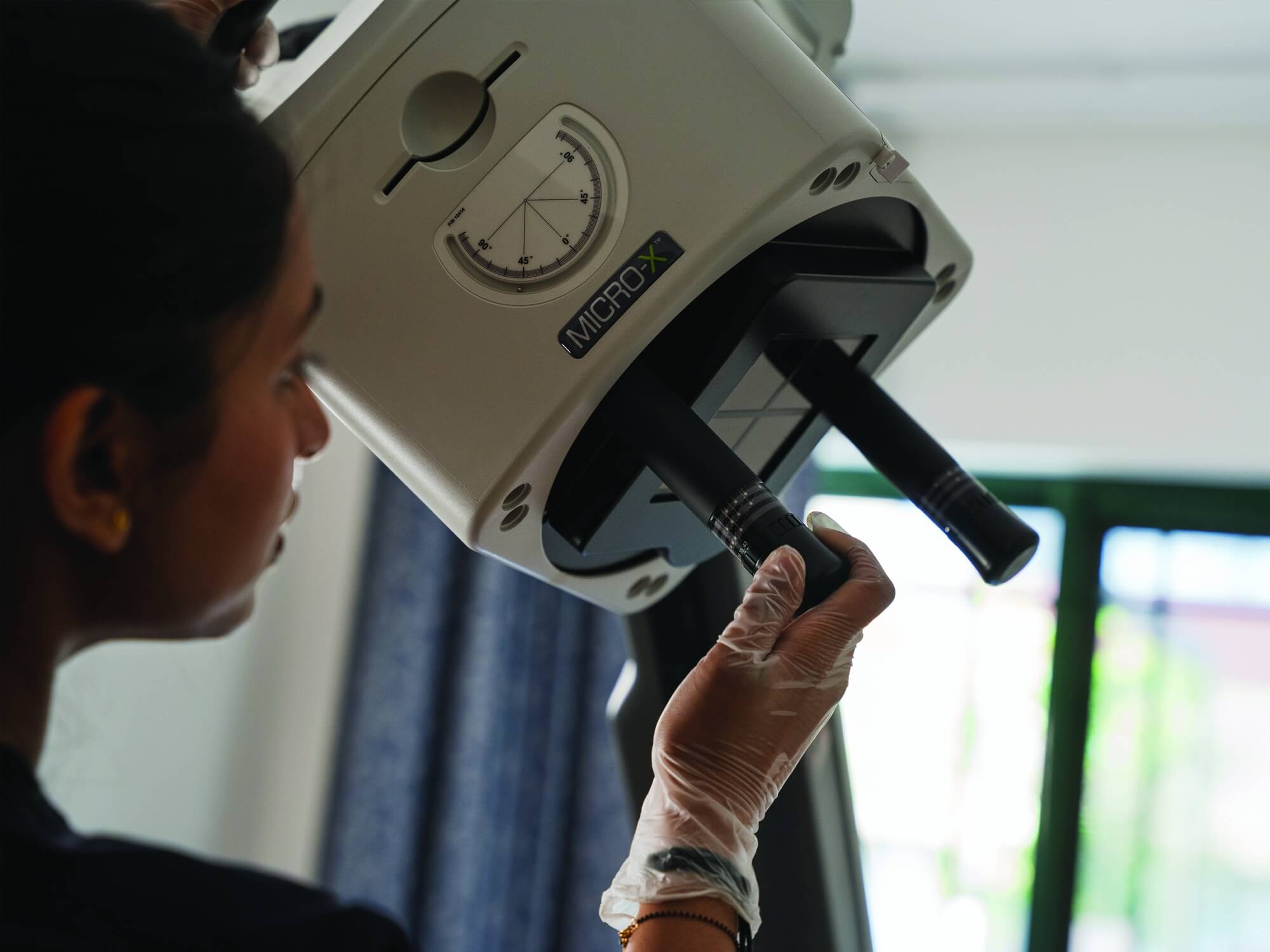
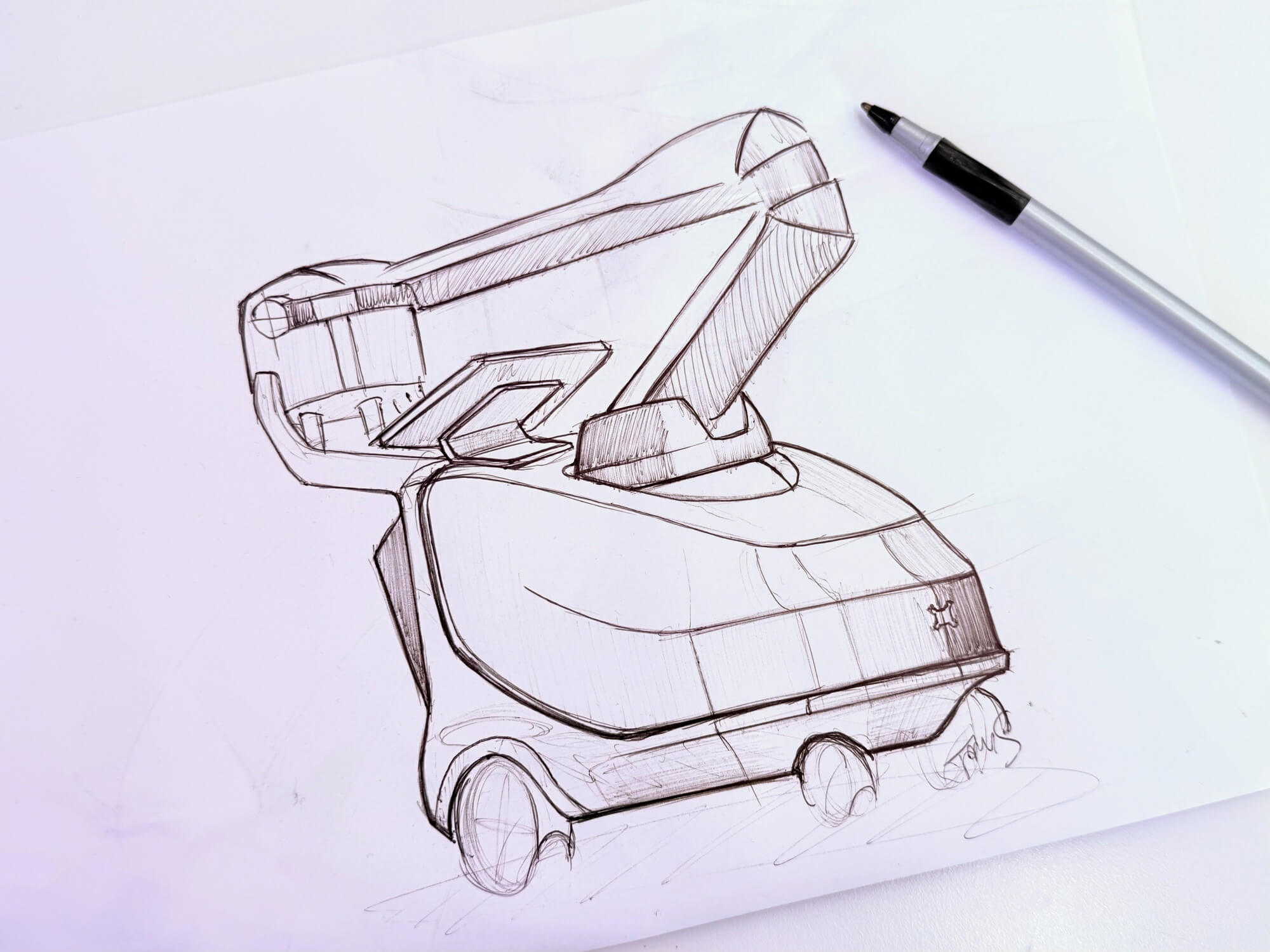
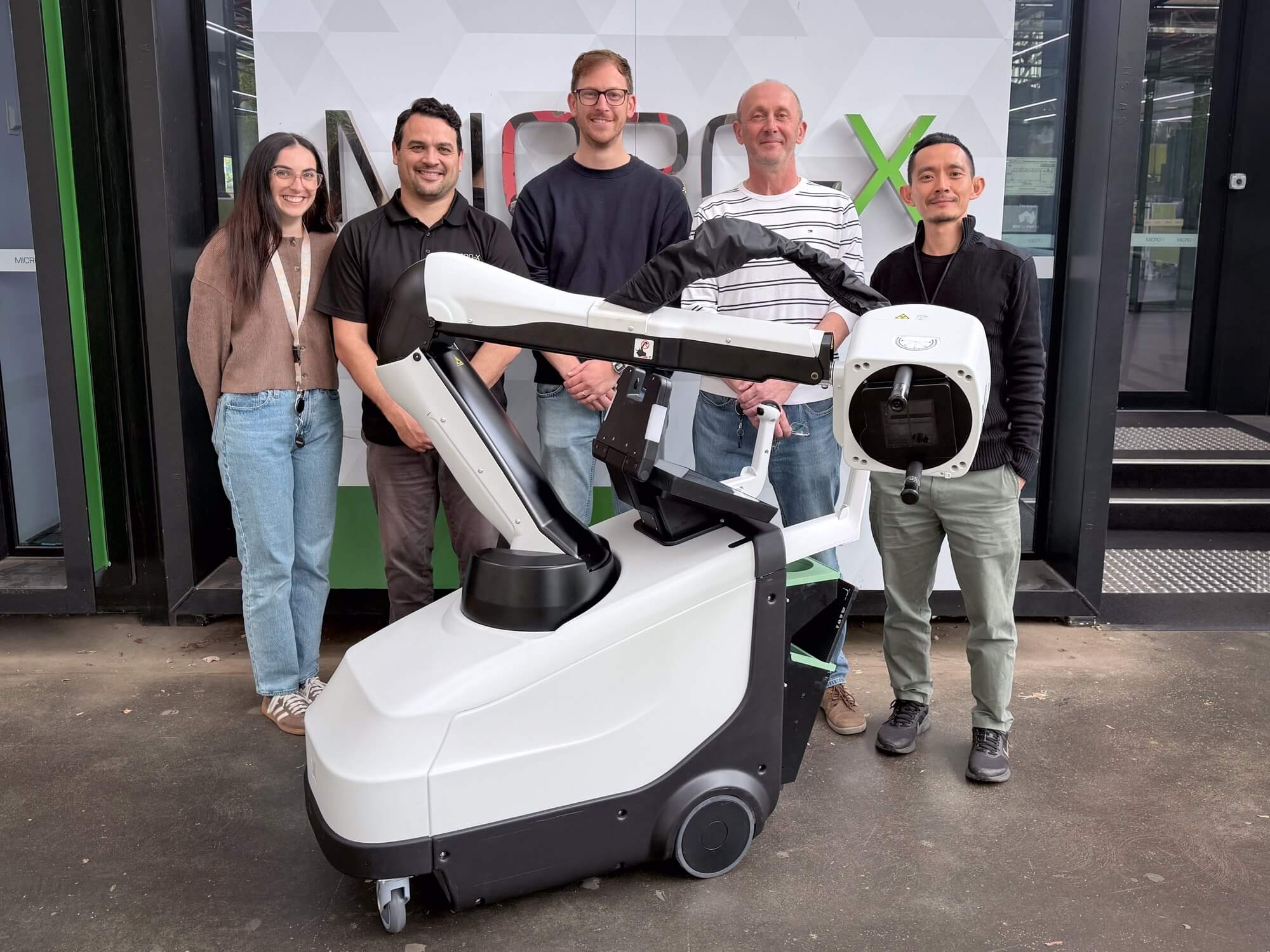
  • The Rover addresses key clinical challenges through purposeful design. Its refined form enhances ergonomics, operator control and workflow, while the updated shape improves line of sight and manoeuvrability in tight hospital corridors. Subtle styling updates communicate advanced technology and connect with users empathetically, supporting confidence and ease of use. Iterative prototyping balanced human-centred considerations with manufacturing efficiency, reducing production costs without compromising structural performance. Close collaboration between design, engineering and end users delivered a system that is intuitive, manoeuvrable and efficient, improving usability and workflow in bedside imaging.

  • The Rover delivers clinical, commercial and environmental impact. Its lightweight, manoeuvrable design improves operator efficiency and reduces physical strain, solving problems associated with heavy systems while enhancing bedside patient care. Energy-efficient Carbon Nanotube technology lowers power consumption, while usability-focused features streamline workflow and minimise downtime. Designed for efficient production, the Rover supports cost-effective manufacturing and scalable delivery. By making advanced mobile imaging more accessible, it enables faster diagnostics, fewer patient transfers, and improved staff wellbeing. The Rover contributes to local industry, supporting skilled employment, global exports, and ongoing investment in research, demonstrating a practical, sustainable solution with measurable benefits worldwide.

  • The Rover’s updated styling modernises Micro-X’s portfolio, using a familiar yet refined form to communicate advanced technology, supporting faster user adoption. A visually smaller, lighter appearance reduces perceived bulk, while a darker base and bumpers ground the system, reinforcing stability and patient trust. Large, smooth panels improve cleanability, supporting infection control.CMF strategically highlights interaction points, guiding intuitive use. A large format touchscreen enables clear navigation and confident image review, improving workflow efficiency.Optimised rear stowage allows operators to stand closer to the system, improving balance and control while reducing strain and risk of contact. Integrated storage keeps essential consumables within reach, minimising workflow disruption. In-bin detector charging removes the need for spare batteries, simplifying operation and reducing handling.A consolidated interface panel centralises connections, improving accessibility and reducing setup time. A highly visible X-ray emission indicator, integrated into the arm support, enhances safety awareness, while a forward-facing light improves visibility in busy, low-light environments.