Indi Kindi Walking Learning®

good-design-award_gold-winner_rgb_blk_logo
  • 2026

  • Service
    Education Services

Designed By:

Commissioned By:

Moriarty Foundation

Designed In:

Australia

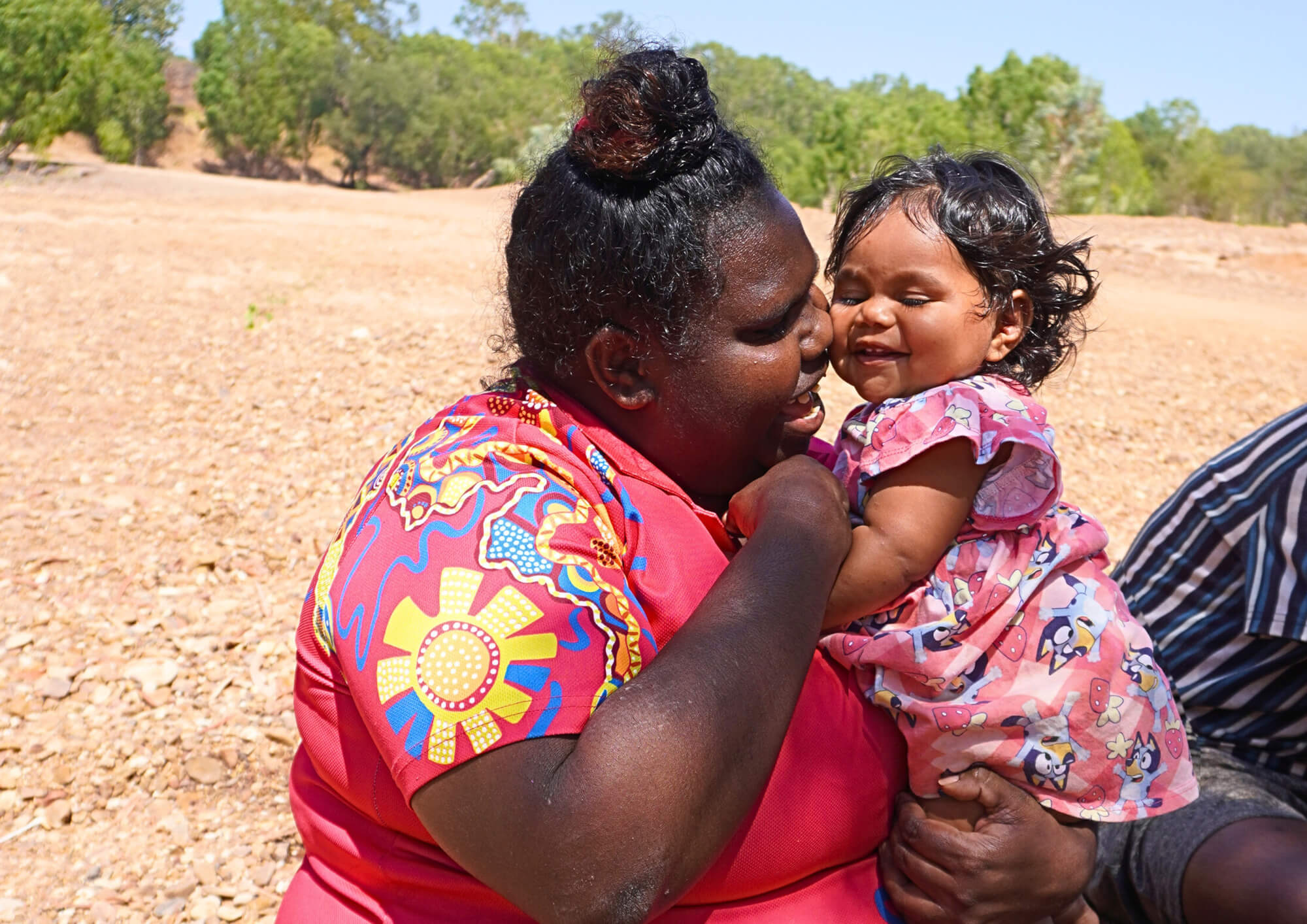
Aboriginal-founded and governed Moriarty Foundation co-designed Indi Kindi with the Borroloola community to provide an early education program for Indigenous children aged 0-5 years. Its innovative curriculum combines Aboriginal teaching methodology with evidence-informed pedagogical approaches and services four remote NT communities, achieving groundbreaking outcomes in school readiness and child development.

view website

2.jpg
3.jpg
4.jpg
5.jpg
6.jpg
7.jpg
8.jpg
  • CHALLENGE
  • SOLUTION
  • IMPACT
  • MORE
  • When starting school, Indigenous children are 2.5x more likely to be developmentally vulnerable in 2+ domains. The national target for developmental readiness is worsening. The impacts are severe and lifelong.Moriarty Foundation co-designed Indi Kindi (IK) with community at the request of Borroloola’s senior Law women in 2012. IK redresses the lack of access to quality, culturally relevant early education and is improving developmental and school readiness. An independent Deloitte Access Economics evaluation showed IK is reducing developmental lag, from 74% in 2012 to 42% in 2021. The current challenge is rigid early education policy, preventing IK from scaling.

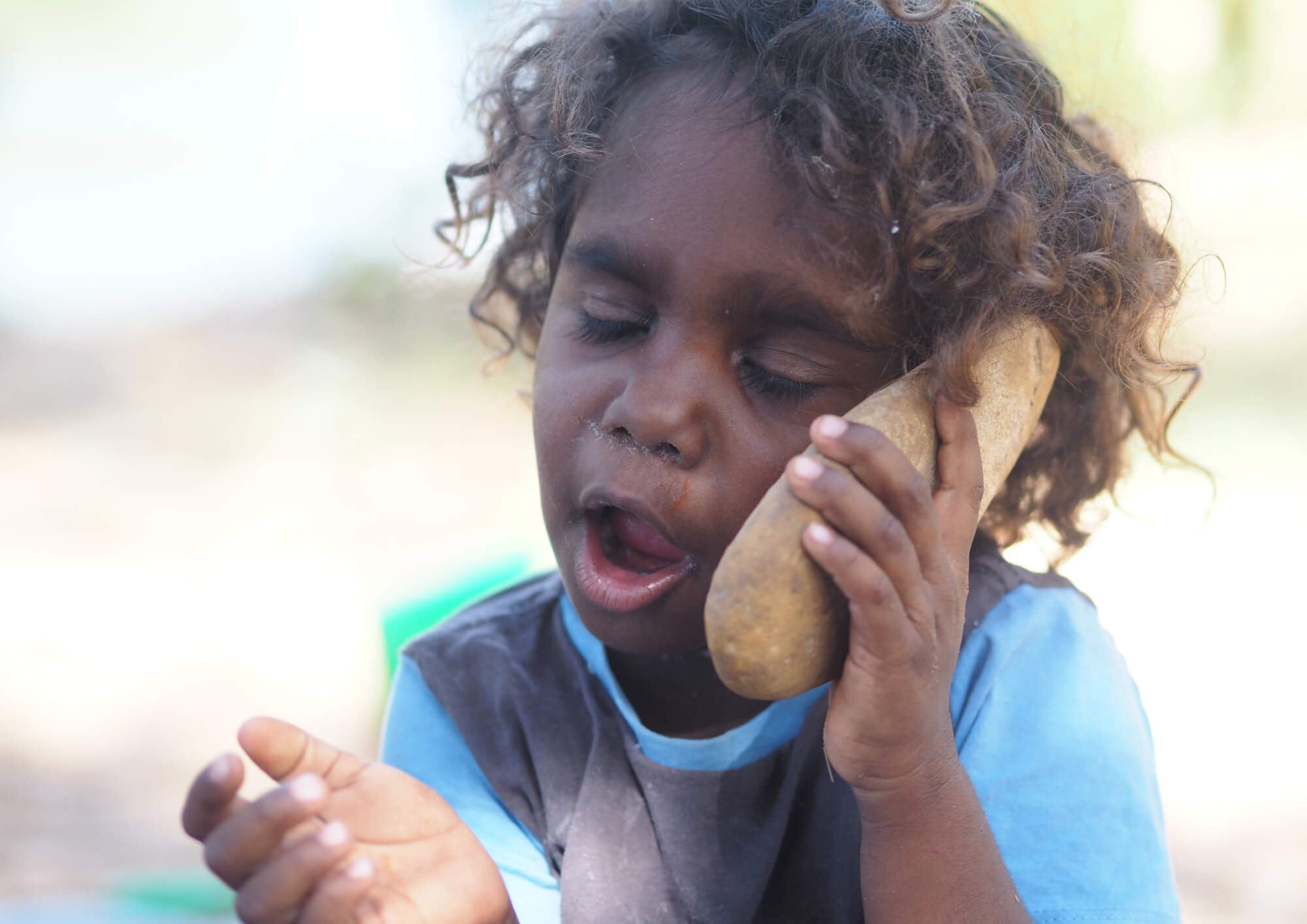
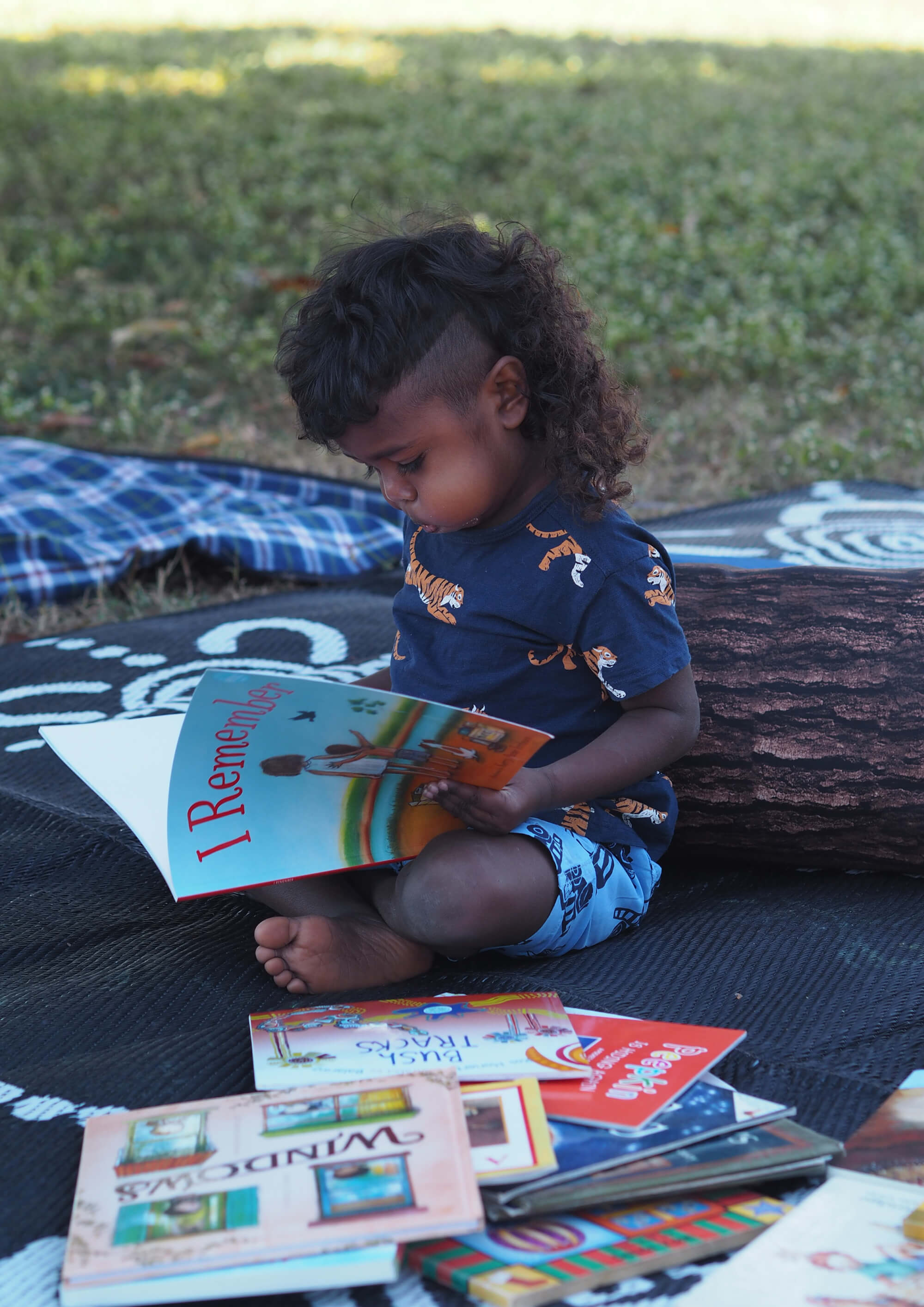
  • Indi Kindi (IK) addresses the early education gap by replacing built infrastructure with a free, mobile, on-Country service design, delivered solely by local Aboriginal educators. Combining Aboriginal teaching methodology with the Australian Early Years Learning Framework, IK’s Walking Learning® curriculum allows children to learn in ‘classrooms without walls’. This design was iterated through local staff and Community Advisory Groups so it was fit for purpose across different language groups. By simplifying enrolment, centring children's journey on cultural relevance and involvement of family, IK provides a scalable and effective model that has successfully expanded from Borroloola to another three remote communities.

  • Indi Kindi (IK) delivers impact by replacing high-cost infrastructure and ineffective standardised early education delivery, with a scalable, mobile, on Country model, conceived and delivered through an Aboriginal cultural lens.Societal: Exponential improvement in school readiness, reducing developmental delay (74% to 42%) of Borroloola’s children, countering a worsening national trend in remote communities.Commercial: Employment model achieves 5+ year tenure in regions with 50% unemployment, creating a high "return on design" through long-term employment and education cost-savings.Environmental: ‘Classrooms without walls’ eliminate carbon footprint and maintenance costs of permanent centres, meeting community obligations for environmental stewardship and connection to Country.

  • Indi Kindi has a holistic and adaptable design that is essential for success in remote communities. Key design features include:● Classrooms without walls: A mobile, outdoor delivery model using the natural environment to provide engaging learning experiences for Aboriginal and Torres Strait Islander children. Outdoor learning helps children concentrate better.● Walking Learning® curriculum: A proprietary pedagogical framework integrating the National Early Years Learning Framework with an Aboriginal worldview, allowing for ‘on Country’ learning that is culturally relevant and evidence-based.● Equitable access: IK is completely free, including the pick up and drop off bus service, and simplified enrolment processes to remove administrative barriers. It allows family members and care givers to attend and benefit from sessions, which is key to continuous learning.● Wrap-around health integration: Critical health touch points, including hygiene, nutrition, and ASQ-TRAK developmental assessments, are embedded directly into the daily learning flow to improve access.● Strengths-based workforce design: The service is delivered by local Aboriginal women who represent distinct language groups. This design fosters deep community trust and has achieved an average staff tenure of 5+ years in a high-turnover sector.