Passenger Self-Screening Checkpoint: A Design Research Approach to Airport Security

good-design-award_gold-winner_rgb_blk_logo
  • 2026

  • Design Research

Designed In:

Australia

Traditional airport security screening lanes have struggled to adapt to modern needs. They create bottlenecks in airports, hostile working environments for operators and negative experiences for travellers. Passenger Self-Screening Checkpoint leverages innovative CT technology and deep ethnographic research to increase throughput while also creating an inclusive and positive screening experience.
view website

2.jpg
3.jpg
4.jpg
5.jpg
6.jpg
7.jpg
8.jpg
  • CHALLENGE
  • SOLUTION
  • IMPACT
  • MORE
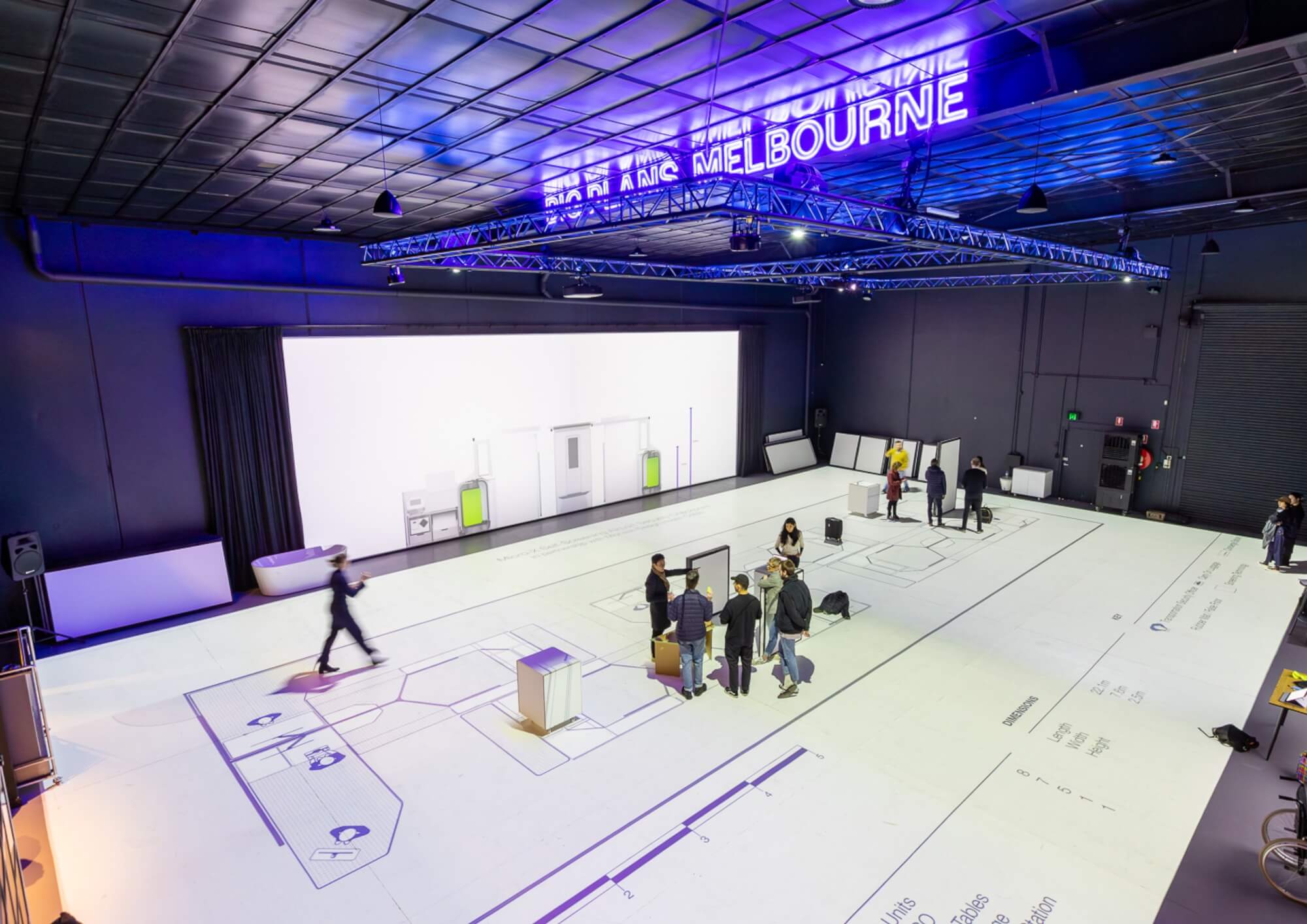
  • Negative experiences in airport security screening are prevalent, both for passengers and operators. This legacy solution is not sensitive to passenger demographics, creates exposed environments of interaction, engenders hostility between officers and passengers and puts overall security efficacy at risk when pressure is put on the system and commuter volumes rise above the system’s capabilities. This research is a response to the Department of Homeland Security’s call to redesign airport security as a self-screening system and takes an added innovative approach, to design a positive and safe experience for both passengers and officers.

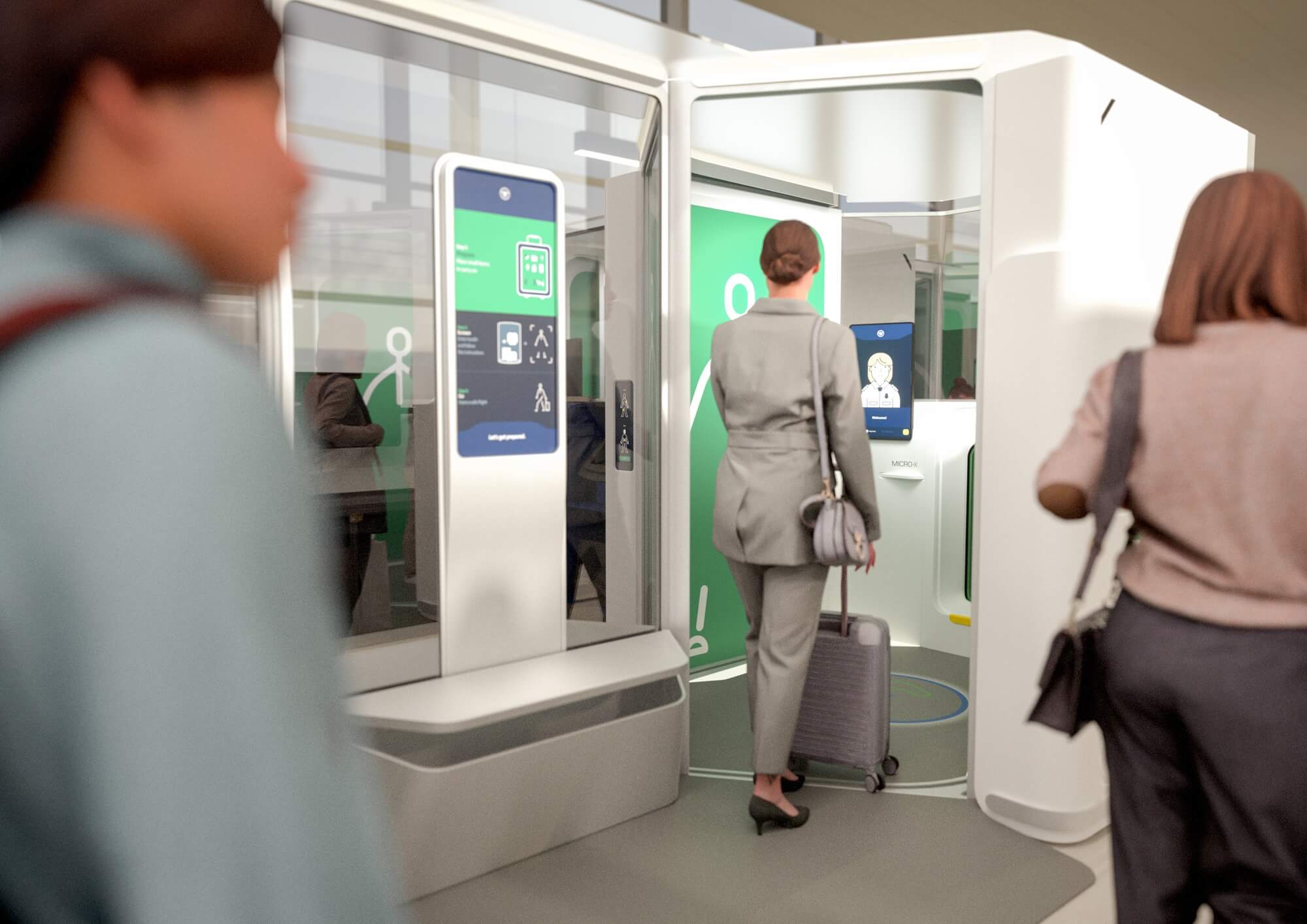
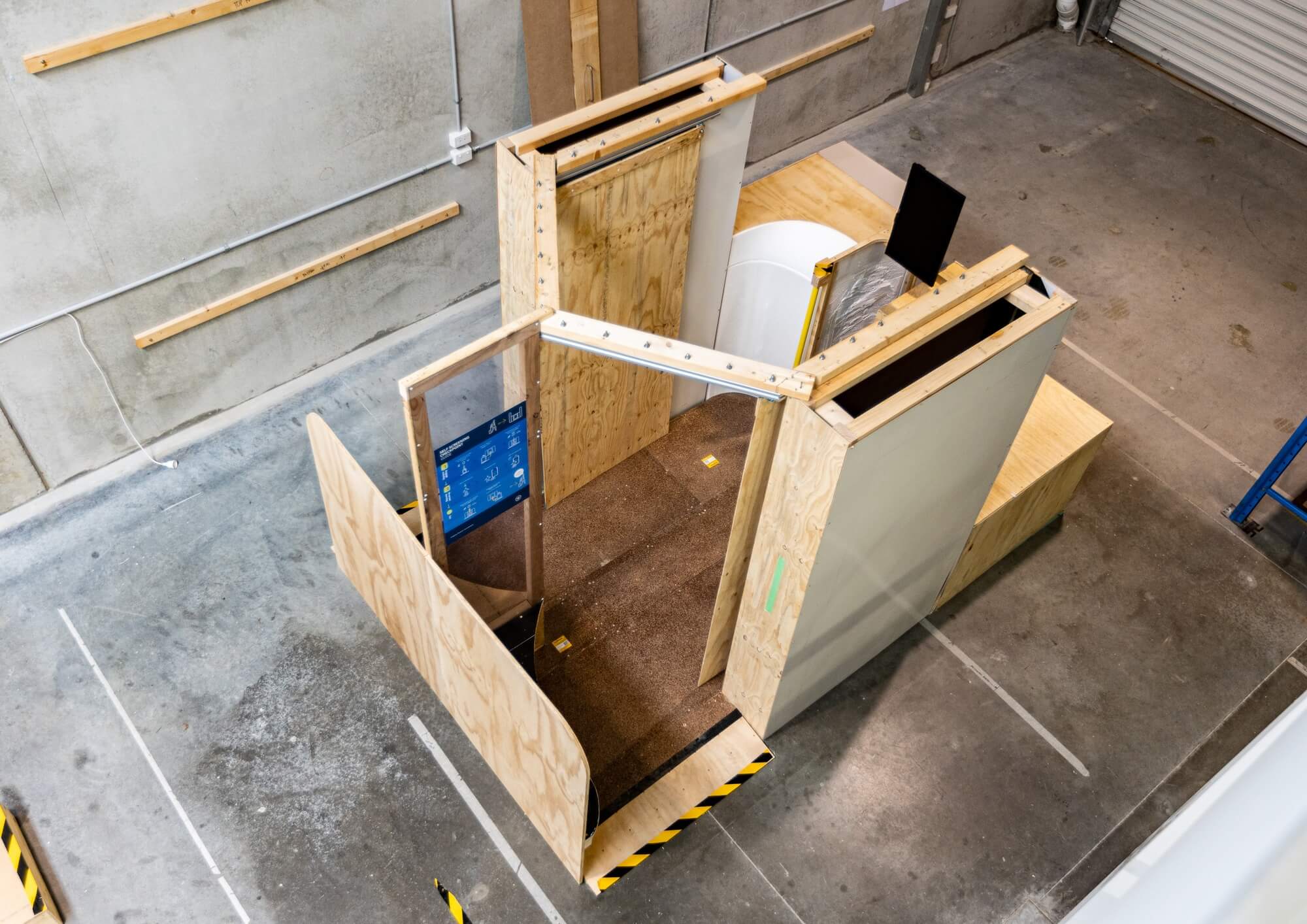
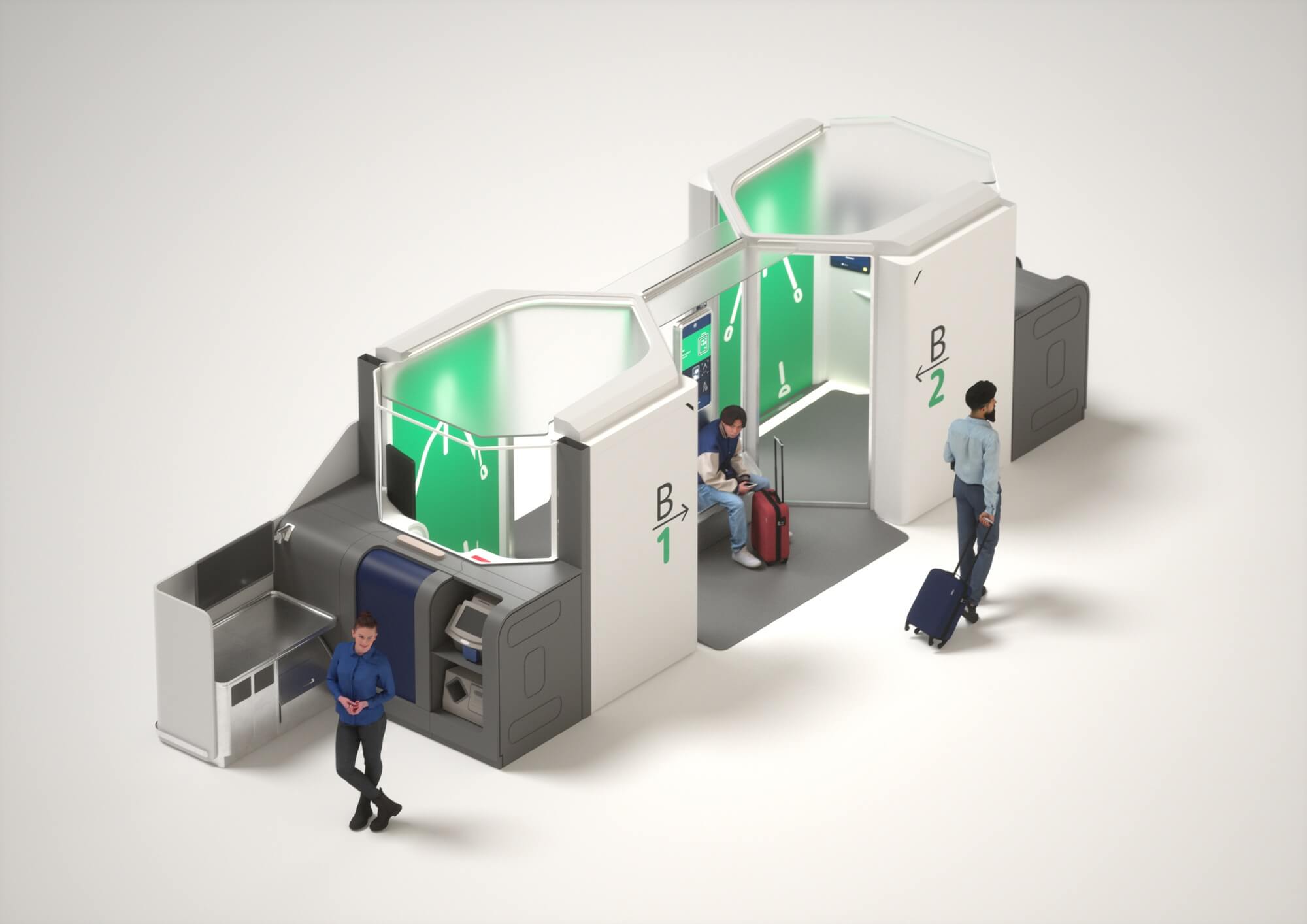
  • Our innovative modular approach fits 8 simultaneously operating booths within the same space as a conventional single-file security lane while more than halving the required number of operators. Passengers drive their own experience, entering private spaces where they scan their own bag, body and interact with an officer. Our design combines beautiful spaces with tailorable interactive experience to ensure travellers of all experience levels can quickly and safely navigate the system. The modular design also responds to airport architecture, scaling and reorienting for changing spaces. The system maximises screening potential by providing compact, safe, efficient space with inviting, friendly experiences.

  • 3 million US passengers pass through airport security per day, yet wait time recommendations can be up to 4 hours. Almost 50,000 staff across the country operate this system, but officer attrition is at nearly 10% per annum. Further, passenger numbers are growing and some airports are forced to close amenities in order to accommodate increasing numbers of security lanes. Self-Screening Checkpoint flips the officer-passenger-airport relationship, creating positive experiences, taking up less space and increasing throughput. It delivers value both for the commercial needs of airports and the societal needs of passengers and operators.

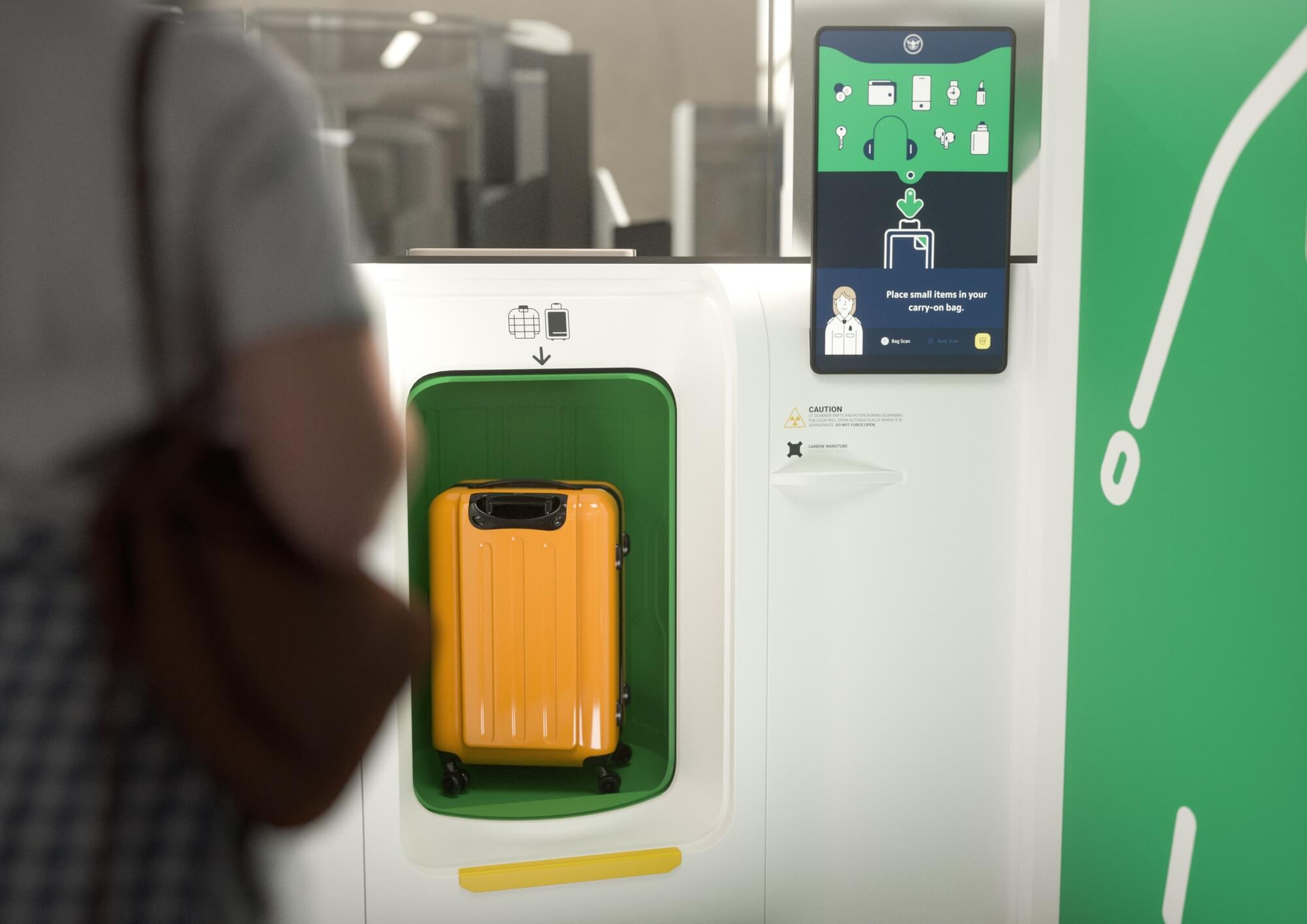
  • Current screening relies heavily on officers for verbal and manual intervention. Our automated system reduces this burden on officers and shifts their role to helping rather than reprimanding. Careful consideration of cognitive load ensures passengers have information on a need to know basis and are supported through booth assignment, removing loose items, and throughout the bag and body scans. Upon entering the module, they are greeted by a digital persona, designed to provide a self-guided experience for new travellers or an expeditable process for experienced ones. Environmental active lights then prompt and guide them through the process, reducing the rate of error by intuitively guiding attention. Another key innovation was creating secure zones for officers, situated outside of the booths and out of traffic flow. When a bag is flagged, the scanner dispenses the bag from the rear, where officers can check the bag while communicating with the passenger. If a body scan is flagged, a female and male officer are situated at either end of the lane to respond to passenger requests, and they are cleared in the privacy of their booth. This strategy allows queues to flow around security risks while providing safe and private screening.